Pitis an interesting trading game. It’s got very few rules and can be played in any amount of time as the winner is the first person to reach a pre-determined amount of points. So games can be very very quick. Although the game is 3-8 players you should definitely opt for 8 if you can get the people, the more people, the better with this game.
What’s In The Box:
The stuff!
One Pit “Corner” card
One 72 card deck (8 suits of 9 cards)
One “Bull” card and one “Bear” card
Playing The Game:
Objective: To be the first player to score 500 points by cornering the market on a specific commodity.
There are two ways of playing this game, basic, and slightly less basic. The only difference between them being that in the basic version the Bull and Bear cards are removed from the deck before play starts.
Setting Up:
Place the Pit Corner board in the middle of the table.
Prepare a score sheet.
Select a dealer and prepare the deck. The dealer takes one complete suit for every person playing (it’s not in the rules to do this, but we usually play with the highest-scoring suits) and shuffles them, together with the Bear and the Bull if they’re in play.
Deal 9 cards, face-down, to each player.
Once all this is done players can then look at their cards and choose which commodity they’re going to collect. It’s best to go for whatever you currently have most of in your hand. Once everyone’s had a chance to look at their cards the dealer announces “The Exchange is open!” It’s not compulsory, but you can do this with as much bravado as you like, just for fun.
Now the Pit is open players can trade cards. You can choose any number of cards from your hand and hold them face down in the centre of the table, you then announce the number of cards you want to exchange this is generally very noisy. You can then trade with any other player offering the same number of cards. If no one’s offering the same number you may want to higher or lower the number of cards you’re exchanging.
This continues until one player has all nine of one commodity in their hand. They then hit the Pit board in the center and announce “Corner on (insert commodity here)!” When playing without the Bear and Bull, the only player who scores is the one to hit the board. They score the amount of points shown on the cards of the commodity they collected, for instance, a corner on Corn would give that player 75 points. The winner of the hand then reshuffles the deck and deals the next hand.
Playing with the Bull and Bear:
When you add these cards in two players will receive 10 cards instead of 9 in the initial dealing. They can then call corner if they have all nine of one commodity and one of another, simply discarding the extra card when they lay down their hand to show the corner. The game is played as normal, but with these two difference:
The Bear is always a bad card, and you should try and get rid of it as soon as possible if you’re dealt it or traded it. If you hold the Bear, but have all nine of one commodity in your hand, you cannot lay it down whilst you hold the Bear, and if another player goes out whilst you have it you receive a penalty of -20 points, even if your current score is 0.
Our score sheet halfway through the game. I was spectacularly losing.
The Bull is a wild card and can be good or bad. If you’re holding the Bull and you call corner, your score is then doubled. However, if you’re holding the Bull and someone else calls corner, you minus 20 points, as if you were holding the Bear. With the Bull you can go out if you only have eight of the commodities you were collecting and the Bull, as only two players would be able to collect the full nine.
A winning corner on Wheat, with the Bull. Whoever laid this down scored 200 points.
If someone calls corner and you’re holding the Bull and the Bear, your penalty is -40 points. If you’re unlucky, you can end up getting to fairly high minus numbers when playing with the Bear and Bull. You can trade the Bull and the Bear individually, or in combination. But you can never trade more than four cards at a time.
Strategy:
There’s no strategy to this game. Get rid of the Bear fast, and try and trade the Bull if you suspect the round might be about to end by someone else calling the corner. Other than that, try and trade as fast as possible and hope no one else is trying to collect the commodity you want!
History and Interesting Things:
It was first sold in 1904.
The inspiration was the Chicago Board of Trade.
The game has been marketed under all of the following names: Billionaire, Business, Cambio, Dulux pit, Quick 7 and Zaster.
Versions of the game published, starting in 1970, included a bell to start trading.
To Conclude:
This game’s fun, quick and easy, and you can teach it to anyone! It’s a fantastic family game, or just a quick one for playing with a bunch of friends.
So the time has come to review the almighty Poker. Now I must admit to not actually being able to play poker before learning it to write this review. This is not to say I hadn’t played it before, I had a couple of times, but always while being guided like a baby by people who were already in the know. I find this is a bad way to learn games because as well as learning the rules you tend to learn things that aren’t the rules and are just made up by these people, but they’ve convinced themselves they are the rules, and also things that are part of the rules get forgotten. As I’m sure some of you are aware there are like a million different versions of poker, but this is a review specifically of the five card draw version. We will endeavour to play and review all versions of poker in the future (over the next 20 – 60 years) but we thought this was a good starting point.
What’s In The Box:
Cards from our Jack Daniel’s poker set.
To play poker all you really need is a standard 52 card deck. However, we used our Jack Daniels Poker Set which contained:
1 52 deck of Jack Daniels Cards.
10 x Black Chips.
10 x White Chips.
1 x Small Bottle of Jack Daniels Old No.7.
Playing The Game:
Objective: To have the highest ranking hand after two rounds of betting. Also to take all the other peoples money, until everyone else goes bust.
Now for a good and clear set of exact rules to this game see here (these are the rules we learnt from).
To start choose to play the game either with or without betting. It’s far more fun with betting:
The starting set up.
With betting you set a starting bet, which is the bet everyone has to put down just to be dealt cards. We set it as one white chip and we decided black chips where worth two white chips. Once the starting bet is placed by everyone five cards are dealt to each player by the dealer. The players then look at those cards and, from the left of the dealer, choose to either:
CALL – The player decides to match whatever’s already in the pot. If no one has put anything extra in the pot this means they put nothing in.
RAISE – The player decides to raise the pot (normally you set a maximum raise, we set it as one black chip). They do this by adding more money to it. Any player who then wants to stay in the round has to match the amount they’ve added.
FOLD – The player decides there’s no point continuing with the round and folds by not matching the raise in the pot and puts their cards face down on the table, taking care not to show any of the other players their cards.
After that round of betting anyone who owes the pot anything (because it was raised after their turn to bet) decides whether to call it or to fold. Then each player, from the left of the dealer, then has the chance to switch up to three cards in their hand. Once each player has done this another round of betting is done, exactly like the first, and then cards are revealed.
The Reveal.
The person with the highest hand wins the round and claims the pot. The hands are (listed from highest to lowest):
Five of a Kind – A five of a kind (which is only possible when using wild cards) is the highest possible hand. If more than one hand has five of a kind, the higher card wins (Five Aces beats five kings, which beat five queens, and so on).
Straight Flush – A straight flush is the best natural hand. A straight flush is a straight (5 cards in order, such as 5-6-7-8-9) that are all of the same suit. As in a regular straight, you can have an ace either high (A-K-Q-J-T) or low (5-4-3-2-1). However, a straight may not ‘wraparound’. (Such as K-A-2-3-4, which is not a straight). An Ace high straight-flush is called a Royal Flush and is the highest natural hand.
Four of a Kind – Four of a kind is simply four cards of the same rank. If there are two or more hands that qualify, the hand with the higher-rank four of a kind wins. If, in some bizarre game with many wild cards, there are two four of a kinds with the same rank, then the one with the higher card outside the four wins. General Rule: When hands tie on the rank of a pair, three of a kind, etc, the cards outside break ties following the High Card rules.
Full House – A full house is a three of a kind and a pair, such as K-K-K-5-5. Ties are broken first by the three of a kind, then the pair. So K-K-K-2-2 beats Q-Q-Q-A-A, which beats Q-Q-Q-J-J. (Obviously, the three of a kind can only be similar if wild cards are used.)
Flush – A flush is a hand where all of the cards are the same suit, such as J-8-5-3-2, all of spades. When flushes tie, follow the rules for High Card.
Straight – A straight is 5 cards in order, such as 4-5-6-7-8. An ace may either be high (A-K-Q-J-T) or low (5-4-3-2-1). However, a straight may not ‘wraparound’. (Such as Q-K-A-2-3, which is not a straight). When straights tie, the highest straight wins. (A-K-Q-J-T beats K-Q-J-T-9 down to 5-4-3-2-A). If two straights have the same value (A-K-Q-J-T vs A-K-Q-J-T) they split the pot.
Three of a Kind – Three cards of any rank, matched with two cards that are not a pair (otherwise it would be a Full House). Again, highest three of a kind wins. If both are the same rank, then compare High Cards.
Two Pair – This is two distinct pairs of cards, and a 5th card. The highest pair wins ties. If both hands have the same high pair, the second pair wins. If both hands have the same pairs, the high card wins.
Pair – One pair with three distinct cards. High card breaks ties.
High Card – This is any hand which doesn’t qualify as any one of the above hands. If nobody has a pair or better, then the highest card wins. If multiple people tie for the highest card, they look at the second highest, then the third highest etc. High card is also used to break ties when the high hands both have the same type of hand (pair, flush, straight, etc).
As you may have gathered from those descriptions you can play with the jacks as well, these are wild cards and allow the Five of a Kind had to be played. Also you can play Aces high or low depending on how you’re feeling.
Strategy:
Now there are whole books on poker strategy and the art of reading a persons tell, etc. But I’m not even going to pretend to know even 0.001% of that information. HOWEVER, this is a list of things you should keep in mind when playing with very low level amateurs:
THEY’RE PROBABLY BLUFFING – The other player is probably bluffing because it’s far more fun than not bluffing, especially if you’re not betting anything of real worth. They’re almost definitely going to bluff rather than go out.
KNOW WHICH HANDS ARE WORTH WHAT – This is hardly a strategy comment more a comment of common sense, but having just learnt the game I made quite a few mistakes by not knowing what was worth more that what.
DON’T BET ANYTHING OF WORTH – If you’re learning the game don’t go straight into high stakes betting, it’ll just make you hate each other and give the person who wins false confidence is their poker skills.
History and Interesting Things:
Again there’s whole books full of history and interesting things on poker so I’ll just cover a few:
One of the earliest recorded uses of the game is by Joseph Cowell who wrote that it was played in New Orleans in 1829 with a 20 deck of cards.
The exact origins of the game are uncertain.
While there are a LOT of different versions of poker there are only four main categories of poker and these are; Straight poker, Draw poker (what this is, as the name might tell you), Stud poker and Community Card poker.
It is possible the most popular card game of all time.
It is probably the most popular gambling game of all time.
The example of poker in film and TV mirrors the spike in interest in it that happened in the 21st century. With the introduction of online poker and hole-card camerasit became a spectator sport and something you could do from the comfort of your own home.
With this spike and the ability to make it a spectator sport many poker tours emerged, including World Poker Tour and European Poker Tour, both of which were televised.
They then launched two new events; The Nations Cup which was held on the London Eye and The Table which featured 130 of the best poker players in the world.
To Conclude:
Poker is an interesting game and I can see why it has mass appeal. However, can someone please explain to me the appeal of online poker? Apart from the fact you don’t have to get out of the chair by your computer or off your bed with your laptop why would you gamble with people whose faces you can’t see? Does that not defeat the whole point of trying to read peoples tells and take away a large part of the whole psychology of the game? Correct me if I’m wrong.
Also, we all know Casinos fix games in their favour (and who can blame them? It would’t make a very good business if they didn’t) but to gamble online in any form is surly to leave yourself open to an even larger con? I could write a fixed version of any gambling game as a computer program in like a day and I’m a bad programmer. With poker there’s less of a fear of this because everyone playing is supposed to be a real person and there is no “house” to take the money… Eccept how do you know all these people are real and one of then isn’t the “house” and the game isn’t fixed in their favour? I’m half tempted to write a fixed version of poker, put it online, and see how many people I could convince to play it… Except then I could be arrested for all kinds of things… But it would make for a rather interesting experiment/business… But anyway, I have digressed.
Back to the point, poker is a good game, if you don’t know how to play it, learn as undoubtedly you’ll be somewhere with some people and they’ll be like “lets play poker” and you’ll be that one person who doesn’t know how to play and they’ll “teach you” but in that way where you only ever really pick up half of it.
Switch is one of the many versions of Black Jack around, we aim to cover them all between now and eternity, but that could take years, so don’t hold your breath for any exciting Blackjack posts any time soon. I think this game is good because it’s simple, can be played anywhere, and is very quick.
What’s In The Box:
Well, as it would transpire…. Nothing! All you need to play this game is a standard deck of cards, and at least two willing people.
Playing The Game:
Objective: To be the first to play all the cards in your hand.
So to start the game each player is dealt a hand, usually of seven cards. The remaining cards are placed face down in the middle of the table, and the top card is drawn to determine how play starts. If the top card is a Power Card, then another card is drawn until a card is revealed that has no other purpose in the game. The starting player (typically left of the dealer) should then find in their hand a card that matches either the suit or the rank of the face up card. If a player cannot play a card from their hand they must draw cards from the deck until they can.
The starting set up for Switch. Appreciate our custom made cards!
Power Cards:
2 – if a player places a two in their turn the player next to them then has to draw two cards, unless they have a two in their hand, they can then play this and make the player next to them pick up four cards. This can continue round players until all four twos are played if possible, forcing the last player to pick up eight cards. The player that has to draw cards also forfeits the right to play any cards that turn.
Twos!
7 – a seven must be covered, so the person who played it must put another card of the same suit over it, or pick up a card if they cannot. If they pick up the next player must then cover the seven, or draw a card, this continues until someone has managed to cover the card.
Sevens!
8 – when played eights make the next player miss their turn. There is an optional rule that allows that player to also play an eight, passing the missed turn on in the same way stacking two’s works, with the last player who cannot play an eight missing the same number of turns as there are eights in play.
Eights!
10 – reverses the direction of play.
Tens!
Black Jacks – a black jack is similar to a two, when it’s played the next player must pick up five cards or play the other black jack, which would then make the next player pick up 10 cards.
BLACKJACKS!
Red Jacks – a red jack can be used to cancel out a black jack, if two black jack’s are in play then to cancel them both you must play both red jacks.
Redjacks!
Ace – an ace can be played onto any card, irrespective of suit or value, whoever played the ace then chooses which suit play will continue in, and the game carries on, but with the new suit instead of whatever was being played before.
Aces!
Winning The Game!
The first player to play their last card immediately wins the game. However, to win you must call LAST CARDS as soon as you are able to go out, this must be noticed by other players. If you fail to do this and then play your last card you must pick up another card. Play also cannot end on an Ace, if you finish with an Ace you must pick up another card.
History and Interesting Things:
There’s not a lot of history going on for this game, but there are a few entertaining things I can tell you:
There’s a variation of the game called Peanuckle in which player with only two cards left in their hand must say “peanuckle”, and a player with only one card left must say “supper-peanuckle”. I have no idea why this is, but this is the way of it.
There are loads of variations of Black Jack, most of which are played in Casinos around the world, like 21 Blackjack, also known as Pontoon.
We were familiar with this game before we decided to write about it, but the variation we’d previously played had slightly different rules and Power Cards.
Three points is two more than I thought I’d write, so I’m doing well!
To Conclude:
A good game, I like it a lot because it’s easy to learn and you can play it anywhere with anyone. I also like that there are so many variations of it, makes it always interesting to play. Although, because there are so many variations of the game it can lead to interesting disputes over Power Cards and rules regarding winning the game. We played with a bunch of people when we were in Brazil and we had three different ideas of what the rules should be. There had to be a little bit of universal rule deciding before we could start playing.
The most comprehensive information I found on this game was on Wikipedia, but most of it’s in this blog post. Annnnnnnd, yeah, that’d be about it, have fun playing cards!
And because of this you get cards with things like this written on them:
This did make us laugh… A lot.
Now unfortunately, being a big fan of the TV series this review is unlikely to be completely non- biased, I will however do my best to stay objective.
What’s In The Box:
The Stuff!
Game board
Rules Book
4 x House cards
62 x Market Cards
104 x Intrigue Cards
10 x Favor/Injured tokens
4 x Champion tokens
3 x House betting tokens (per house) and 1 x House marker (per house)
1 x Host marker
117 x Gold
4 x Gladiator figures
4 x Turn summary cards
A lot of Dice (9 x Red, 9 x Black and 8 x Blue)
Playing The Game:
Objective: Be the first to raise your house influence to 12!
Depending on whether you want to play a Quick, Standard or Advanced game you set the starting amount of influence each house has to a different number:
Quick = 7
Standard = 4
Advanced = 1
Starting influence is set to 7 for a quick game and the starting amount of things dealt out.
You then get dealt the starting number of items as dictated by your house card (circled green). So for Solonius that’s 2 Gladiators, 2 Slaves, 1 Guard and 12 Gold. Additionally each player gets one gladiator figure, their 3 house betting tokens and a turn summary card.
Now, every turn of play is made up of four sections:
Up Keep
Intrigue Phase
Market Phase
Arena Phase
Up Keep:
Up keep consists of three parts:
Refreshing Cards – Any cards that have been exhausted in the previous round (so are face down) get turn back up so their abilities can be used again.
Healing Injuries – Attempt to heal any injured gladiators or slaves by performing a healing role – on a role of 4 – 6 they are healed anything less and they stay inured.
Balancing the Ledgers – You gain one gold for every ready slave you have and you must pay one gold to the bank for every ready gladiator you have – if you cannot pay (or don’t want to) you must discard the card that’s making you pay.
Intrigue Phase:
Intrigue consists of two parts:
Drawing Cards – At the start of each intrigue phase each player draws three intrigue cards (players all receive three cards simultaneously).
All Intrigue cards dealt.
Playing Schemes/ Foiling Schemes/ Cashing in Cards – Some of the intrigue cards are schemes you can play against another Dominus (Latin word for master), cards that allow you to foil other schemes or get rid of an opponents guards. To play a Scheme you must have the right amount of influence to play it (as listed on the card), if you don’t you can pair with another Dominus to play it by adding your influence together but beware; deals that are made can be easily broken. If someone plays a scheme against you you can foil it by using your guards and performing a dice role or you can play a scheme foiling card that are reactions to schemes and also require that you have the right amount of influence to play it. Finally if you don’t want some of you cards or can’t keep them (as your had size is dictated by the amount of influence you have) you can cash in cards for the amount written on them from the bank.
Market Phase:
This phase is made up of three parts:
Open Market – At this point anything can be traded for anything for anything else. Except Intrigue cards, which cannot be sold.
Auction – After open market is over each player conceals their gold in their hand and cards equal to the amount of players playing are drawn face down on to the board. The first card is flipped up; each player decides how much they want to bid for that card and hide it in their hand and hold it out over the board, then together they revel how much they have bid, highest bidder wins. Someone who bids nothing is ignored, but if everyone bids nothing the card is discarded. If there is a tie the two players who are tied place the amount they have already bid on the board and repeat the procedure until one player is victorious. This is then repeated with each card until all cards are sold or discarded.
Bid for Hosting – This is done in the same way as the bidding for the cards. The person who wins the host bidding gets the Host token and it marks that they control the next phase of the game and choose who will fight who.
Arena Phase:
This phase is made up of six parts:
Honour to the Host – The player that won the hosting rights in the auction gets +1 influence.
Hosting the Event – The host then invites two players to take part in the games (they can invite themselves). If a player declines they lose one influence. If they accept they place their gladiator figure in the arena in the starting position then place the card of the gladiator they are fighting, along with any Weapons or Armour they are also using.
A starting gladiator ready to battle.
Tribute – The owners of the gladiators are then paid tribute if their gladiators have favour or are champions – +2 gold for each favour token and +6 gold if they are a champion. If they don’t have any favour and are not champions they get nothing.
Place Wagers – It’s then time to place wagers, you can wager on who will win (competing players can’t wager against themselves) and how they will win (injury or decapitation). Three is the maximum wager on any one wager and the wagers you place are marked by putting you house wager tokens on top of your pile of gold on the wager you have made.
So a bet on combatant one to win returns 1:1 odds so you can double your money.
A bet on the fight ending in injury returns 2:1 odds so you triple your money.
Combat! – Now the fight begins. Each fighting gladiator has statistics for Attack, Defence and Speed. They are given as many red dice as their attack statistic, as many black dice as their defence statistic and as many blue dice as their speed statistic:
3 Attack = 3 red dice, 2 Defence = 2 black dice and 2 Speed = 2 blue dice.
Each player then roles their total amount of speed dice to determine who moves first, the player with the highest total wins and decides who moves first. Your total number of speed dice dictates how many spaces you can move; so if you have two dice you can move two spaces. You can chose to move and then attack or if you’re already adjacent to your enemy you can attack and then move away. Once adjacent you attack by rolling your attack dice while the defender roles their defence dice. You then line the dice up from highest to lowest, opposite each other. Any place where one attack dice is a higher number than the defence dice is a hit and any place where a defence dice is higher than the attack dice is successfully defended. If they’re equal it’s also a successful defence. Where attack die outnumber defence dice any additional roles that have no matching dice count as a hit so long as they are three or above.
Two warriors ready for combat.
The dice are your health; so for each hit that is obtained the taker of the hit decides which dice to get rid of, lowering their attack, defence or speed for the next move. All attributes must be reduced to 1 before any can be completely removed. If one is completely removed then the player has yielded, if two are reduced to zero in one attack the player is wounded and if all three are reduced to zero in one attack the player is decapitated.
Victory and Defeat – The winning Dominus gains one influence. The winning gladiator revives one favour token, if it’s his third favour token he becomes a Champion. Wagers are then settled with the bank. If the loser was not decapitated the host of the games decides if he lives or dies with the thumbs up or down signal. To kill a loser who has favour will cost the hosting Dominus 1 influence per favour token and champions cannot be killed.
After all this the turn phases are repeated unless one player has a full 12 influence at this point, then they’re the winner! If they have reached 12 influence before this point they are not yet the winner as they can still lose influence before the turn of play is over.
Strategy:
MONEY IS POWER! Like in real life. If you are a broke Lanista (trainer of Gladiators) then you are a rather useless Lanista.
UNDERSTAND WORTH! Linked to the first point, knowing what/how much to bid for something in this game is everything. Knowing what you need and what’s not worth buying (at that time) will be the key to winning and losing.
HOST THE MOST! Bidding to be the host is always worth it, not only does it automatically give you influence you then have control too.
KNOW YOUR FRIENDS! While this is a rather back stab-y game it’s important to know the people you’re playing with and understand when they’re likely to stick with you and at what point they will abandon you and leave you to be eaten by dogs.
KEEP THINGS IN PERSPECTIVE! With such a large turn phase to the game it’s very easy to get caught up in just one round or one arena match and forget about the bigger picture and larger aim. Everything you do should be in aid of the bigger picture not just to get back at another player or just because you want to see a fight between two cool Gladiators.
History and Interesting Things:
While the board game itself does not have much notable history (at least nothing I can find) the historical events it’s based (very loosely around) do so that’s more what this section is going to contain.
The board game is only based on the first season of the TV show Spartacus: Blood and Sand, it being the only season in which Spartacus is a Gladiator rather than a rebel.
While historical facts on the war are highly debated it is often interpreted as a rebellion of oppressed people rising up against a slave owning oligarchy.
Historically Spartacus (the man) is supposed to have lived from 109 BC – 71 BC. The characters Crixus,Oenomaus, Castusand Gannicus, are also historically verified people who assisted in the uprising.
He was born a Thracianand supposedly died on the Battlefield near to Petelia (modern-day Strongoli, Calabria, Italy) as depicted in the TV show and film (probably without the “I’m Spartacus” fiasco).
This being Appian also that his body was never found.
6000 survivors of the battle where crucified alongside the Appian Way from Rome to Capua as depicted in the final episode of the TV show with the crucifixion of Gannicus.
Andy Whitfield who played Spartacus in the first season Spartacus: Blood and Sand (who’s face should be on the front of the game box rather than his replacements Liam McIntyre) sadly died on September the 11 2011 of on-Hodgkin lymphoma and the series was literally less than half as good without him.
While my obvious like for the TV show has made this review at least slightly biased I would still maintain this game is a good game by anyone’s standards. It is, however perhaps a touch complex and drawn out. For example; cancelled down version of just the gladiator battles would have made quite a good game just in itself. So this game is primarily for the patient and those who are naturally enthusiastic about games not for those who think monopoly is the epitome of (board) gaming.
Create the Best Civilisation and become King of Catan!
Okay, you don’t actually win the title “King of Catan” if you win the game, but it’d be cool if you did. Instead, you just win the sheer joy of winning, which is almost as good. Settlers of Catanis a brilliant game, primarily for its simplicity and versatility. Because of the way the board gets set up, no two games are ever going to be the same and it’s got so few rules that anyone can learn to play!
What’s In The Box:
The stuff!
19 Terrain Hexes and 6 Sea Frame pieces – set up in one possible arrangement for play.
9 Harbour Pieces
18 Circular Number Tokens (chits)
95 Resource Cards (19 each of Stone, Sheep, Clay, Wood and Grain)
25 Development Cards
4 “Building Costs” Cards
2 Special Cards
16 Cities (4 each in Orange, White, Red and Blue)
25 Settlements (5 each in Orange, White, Red and Blue)
60 Roads (15 each in Orange, White, Red and Blue)
2 Dice (one Yellow, one Red)
1 Robber
1 Game Rules and Almanac Book
Playing The Game:
Objective: To develop your civilization fastest in order to gain 10 Victory Points and win the game!
Setting up the Board:
To start the game you set up the board so it looks more or less like the photo below. You give a few of the Terrain Hexes to each player. They’re then laid out in that honeycomb kind of pattern, and edged with the Sea Frame pieces. There’s no set layout for the beginning of the game, so the hexes you get given can be placed anywhere. Once the board is set up each player chooses a colour and takes all the Cities, Settlements and Roads for that colour. They also take the Building Costs card of that colour. Then the Circular Number Tokens are placed on the board. These tokens all have both a number and a letter on them, numbering from 2-12, missing only 7, and having the respective letters A-R. One player then chooses a starting tile, and places the Token with A on it. The other tokens are then laid out in alphabetical order moving clockwise around the board. One of the Terrain Hexes is the desert, this is the only Hex which doesn’t have a token placed on it.
Starting set up for the game.
Once that’s been done, the grey Robber figure is placed on the desert Hex, and each player can then place two of their Settlements, and two Roads on the board. Settlements (and later Cities) are always placed on the corners of the Hexes, so your Settlement will be on the point on a Hex where two or three Hexes meet. Roads must be placed on the edges of Hexes and connected to a Settlement or City of their colour. To start, your Settlements can be placed anywhere on the board, but following this they must always be connected to a previously existing Settlement by a road. To start each player collects one Resource card for the tiles they have Settlements on, for example, at the start of the game above, White would receive two Stone cards, one Clay, one Wood and one Crops.
Turns:
A players turn is divided up into the following phases:
Rolling the dice, moving the Robber and collecting Resources
Trading Resources with other players or the bank
Building Roads or Settlements, upgrading to Cities and buying Development Cards
Rolling the dice always happens first, and the number rolled reflects which Resources will be produced on that turn. There are two Number Tokens for each number that can be rolled, apart from 12, once the dice are rolled, find these, and anyone with a Settlement on the corner of the corresponding piece receives one Resource card for that tile. On a roll of 7 no Resources are produced, and the Robber’s moved. The player that rolled the dice can now put the Robber wherever they like. If placed on a tile, the Robber prevents any Resources being produced for this tile until someone else rolls a 7 and moves him, so he can be a huge inconvenience to your opponents.
Like this:
Here the Robber was preventing me from receiving any Sheep Resources
Next you can trade Resources. This is done verbally and with the exchange of cards. One player simply states which Resources they need, and what they’re prepared to offer for them, and other players may accept or decline. Or haggle, if they feel so inclined. if a player has a lot of one Resource they can trade five of one Resource in to the bank, in exchange for one different Resource of their choice. If a player rolls a 7 all players must also count how many cards are in their hand, if they’ve got more than 7 Resource cards in their hand they must discard half of them, in the case of an odd number, for example, 9, you round down, so you would only discard 4, not 5.
It’s also possible to use the Sea Ports to trade resources, but you have to have a Settlement or City built on one of the three points adjacent to a port to use it.
Finally you can build things, your Building Costs card tells you how much each thing will cost you in Resources, and you discard Resources into the Resource bank to build on the board or buy Development Cards. Settlements or Cities must be connected by at least two roads, so they cannot be on the points next to each other, meaning that only three Settlements can ever be on one Hex. You must also have a connecting road before you can build a Settlement.
Play continues like this until one player has gained 10 Victory Points!
Winning the Game!
Winning the game actually isn’t very difficult, each Settlement you build is worth 1 Victory point and each City is worth 2. So you start the game with 2 Victory points, for your two Settlements placed before game play starts. You can also gain an extra 2 Victory points for having the longest unbroken road, this is one of the Special Cards, and is awarded once a player has a road at least five segments long. However, this card can get passed around a bit, as other players build longer roads. In the game we played, I had the longest road:
I was Orange, my road was 8 segments long
So I got the extra Victory points on the Special Card:
Longest road!
So, the end of our game looked like this:
I win!
So, ignoring the tea, ice cream and small rubber duck, this is what the game looked like at the end, I had acquired here, Longest Road, Largest Army (which is the other Special Card, Knights can be acquired by buying Development Cards and you get Largest Army once you’ve got three) and then also some Cities and Settlements.
Strategy!
This game can be played strategically, at the start of the game, when the board is being arranged, look for areas where a lot of one resource are concentrated, if you build both your starting Settlements on these and then quickly expand your Roads you can create a monopoly on one resource, forcing other players to trade with you for whatever you demand. Alternatively, try and build you Settlements so that you get as many different resources as possible. Both these are acceptable ways to start the game. One thing I would say to not do is this: unless you’re going for monopoly on something DO NOT BUILD YOU SETTLEMENTS CLOSE TOGETHER TO START. Doing this is going to severely inconvenience you later in the game. It makes getting Longest Road, or heading out to resources on the other side of the board much harder. Also, don’t be too harsh with trading, if you have something another player desperately needs, don’t ask too much for it, as they might get annoyed, and refuse to trade something you really need later in the game. It’s all a question of balance, getting as much as possible out of the trade without being unreasonable.
History and Interesting Things:
One of the first European games to achieve real popularity outside of Europe – it’d sold over 15 million copies by 2009.
There are over 50 Scenarios and Variants now available for this series of games.
Die Siedler von Catan is a novel, set on the island of Catan, written by Rebecca Gablé following the popularity of the initial release of the game.
Settlers has been created and recreated online over the years – it used to be playable over MSN, for everyone out there who remembers when MSN was the going thing!
A series of mini stuffed animals based on the resources produced in the game was released by Mayfair, call Catanimals.
A version of the game to be played on Nintendo DS was announced in 2008, but has yet to be released.
To Conclude:
This game has a rating of 5 because of how versatile it is, and how easy it is to play, the rules have little to no ambiguity in them, the storage space in the box is well laid out and therefore not annoying, and it’s a really, really fun game to play, which takes between an hour and an hour and 40 minutes, more or less. Which I think is an almost perfect running time for a game, long enough to be interesting, without becoming boring! It’s a brilliant family game too, as the simplicity of the rules allows for younger players!
Julius Caesar, The Roman Geezer, Squashed his Wife with a Lemon Squeezer:
So as far I can figure Conquest of the Empire is just a table top version of Rome: Total War and being a huge fan of that game I’m also a huge fan of this game. In many respects it’s cooler; because you’re playing real people you actually feel some sense of victory when you crush them! But on the other hand, it’s obviously far more limited than Rome: Total War. To illustrate my point this is a picture of the Rome: Total War map:
And this is a picture of the Conquest of the Empire board:
Can you see the similarities?
Now, there are two sets of rules to this game, as I explain in the History and Interesting Facts part of the post but this post is only covering the Classic rules, as we haven’t had the time to play the other rules. Hopefully there will be another post covering the other set of rules before the month is over, so keep an eye out for that.
What’s In The Box:
1 Game board (see picture in introduction of it laid out)
Province tokens
Some of the Chaos tokens (the ‘X’s at the bottom of the other sheet are also Chaos tokens)
Influence/control tokens for each colour (except the bottom row)
8 Dice (for some reason ours has 12 but it did come from a charity shop)
16 Fortifications
16 Cities
1 deck of cards
Cards
20 Roads
Playing The Game:
Objective: To capture the other player(s) Caesar
The aim of the game is ultimately just to capture the other player(s) Caesar, which can lead to a fairly short game if you get lucky and the other person is careless; or if the other person is careful it can be a long complex game of strategy and well thought-out battling.
The board right at the beginning.
You start in one of the six starting provinces, these are shown on the board and the instruction book denotes which are available relative to how many players there are. The tribute scale at the bottom of the board is used to mark your income per-turn and increases if you capture provinces and decreases if you lose them depending on the worth of the province (marked on the board). you start on 15, as you home province is worth 10 but it also has a city in it which adds an additional 5.
The tokens for each player show the amount of money they get each turn.
Each turn is broken up into 6 sections:
Movement
Combat
Collect Tribute
Destroy Cities
Purchase New Pieces
Place New Pieces
So first up is movement, normal pieces can only move when attached to a General/Caesar. When they’re attached they form a legion; a legion may be up to 5 pieces (of any type) and then the General/Caesar to make a legion of six pieces overall. Without roads normal pieces may only move one space (being from one province to another) in a turn, however General/Caesar may move two, so they may move with a legion and then one further turn on their own. However they cannot fight by themselves – but are useful for conquering unoccupied provinces. The exception to this is roads; once on a road a player may move as far along that road as he/she likes. Galleys are the only units that can move without a General/Caesar, they can move up to two sea provinces even with no units in them.
The first move of the game.
The second part of a players turn is combat. Combat occurs when you move your pieces into a province occupied by an enemy and once you have finished all of your moving.
Just before combat.
Combat is somewhat similar to Battle Cry! (as reviewed here) in that it uses dice with symbols that show which piece have to be removed. You role as many dice as there are piece in your legion (up to 6) and the defender does the same. the relevant pieces are then removed according to the symbols on the dice, and either you fight again or one player retreats. Generals/Caesar are the last pieces to be removed from any legion and can only be captured when the rest of the legion has been destroyed. Captured Generals are kept by the winner and can be bartered with later in the move, if Caesar is captured the person who loses their Caesar has lost the game and is out.
A captured Caesar.
The next phase of a move is to collect tribute, that’s as simple as it sounds, you look at the tribute scale at the bottom of the board and collect the amount of tribute you are due.
A pile of gold!
The next phase is to destroy cites, you can do this in provinces you own if they are about to be captured to stop the other player gaining any benefits from them. This phase doesn’t have to be done as you may not be in a situation where its required.
The next phase is to buy pieces. You use your tribute to to buy pieces to build a bigger army. Pieces initially cost:
Infantry – 10
Cavalry – 20
Galleys – 20
Catapult – 30
Fortified City – 50
City – 30
Fortification – 20
Road – 10
However when inflation is trigger the first time (marked by the change in the tribute scale at the bottom of the board) cost doubles, when its triggered again (by the second change in the scale) the cost triples from the original prices.
A newly bought army.
The very last phase of a players move is to places his newly brought pieces. All new combat units must be placed in the home province of the player buying them, ships are placed on the coast of that province, or on the closest coast if you are landlocked. Cities are placed in the relevant province that you want a city in, only one city per-province and only one fortification per-city. Roads can only be built between two cities in adjacent provinces but multiple road sections between multiple cities can be used to make one long road.
Roads!
This process is then repeated until there is only one players Caesar remaining.
Strategy:
Now, like most games on this blog I don’t claim to be a master ,but here are a few things I picked up that are important:
DON’T FOR GET ABOUT YOUR CAESAR! That’s how I won the game we played, he was left in a province by himself. Always know where he is and always have him protected away from the action (unless you have no choice but t0 have him in the action.)
MONEY IS POWER! Conquering provinces is important to generate more tribute so you can buy more units so you can have more power.
DON’T FORGET ABOUT SHIPS! Ships look like they can be a very useful tool to attack your enemy where he/she is not expecting.
DON’T FORGET YOU CAN DESTROY YOUR OWN CITIES! Also destroying a city will destroy a road that runs between it and another city as roads can only exist between two cities. This could help slow a fast enemy advance.
BRUTE FORCE IS KING! Due to the luck/probability of the dice actually being 100% tactical is difficult, so just out manning the other player in all conflicts is advised.
History and Interesting Things:
While I have stated the publication date of the game as 2005, and hyper linked the 2005 game on BoardGameGeek, the original version of the game was released in 1984 by Milton Bradley and it’s sole designer was Larry Harris, Jr.
However the original version of the game’s catapult rules were considered to be “broken” so the 2005 version of the game was issued with two sets of rules, one that was similar to the original rules but with fixed catapult rules (the classic rules, the ones played in this article) and another completely new set that were based on Martin Wallace’sStruggle of Empires(these are Conquest of the Empire II rules).
The original version of the game also had different combat rules and the rules in the 2005 version were changed along with the dice that have images that correspond to the different units.
The game is thought to be very similar to the game Axis & Allies, this may be because it’s also designed byLarry Harris, Jr. (and because of this Axis & Allies is obviously going on our Games We Wantpage).
The original version of the game is now completely out of print and therefore a prized collectors piece.
However, that’s what Wikipedia says but you can buy a 1984 original copy from America for around £55 on Ebay here (eBay listing was active at time of publication).
(This may be from the film Gladiatorand therefore may not be historically accurate).
Like I said in my introduction, the game really is a physical version of Rome: Total War, just less complex and in some ways more fun.
It is also the largest game we have played to date, which makes it just a little bit more awesome.
To Conclude:
I like this game, I like it a lot, but I was always going to – as I said in my introduction, it’s just table top RTW. However this version of the rules has quite a lot of ambiguity but with careful reading and a bit of logic you can think your way through this. There are a few thing I think should be done differently, for example you should be able to build units in places other than your home provinces, other cities would have had barracks and been able to train men etc. Also it just feels wrong to collect your money half way through your turn, everyone knows turns begin with collecting money, it’s true of so many games, both table top and computerized. However I understand the building units one turn and not being able to move the till the next because it represents a training time.
The biggest issue with this game though is this:
Everything thrown in the box!
POOR BOX DESIGN! Now you may say that this is irrelevant to the game in the sense that it doesn’t affect game play. But it does, if you’ve had to spend 20 minutes sorting out pieces because there in a mixed mess you’re not going to have the same amount of fun playing the game as if they were all sorted already in a vacuum-formed tray in the box like 90% of games I’ve played (like Battle Cry!.) The only other game I’ve come across to rival this is the Pirate of the Caribbean edition of Buccaneer! Which you can read my rant about at the end of the post on it here.
But all in all Conquest of the Empire is a good and fun game (perhaps not quite as good/well thought out as Battle Cry! and definitely not as versatile). It’s also very large which for some unknown reason makes it more exciting…
We’ll have to wait and see if the other way of playing it is as good or perhaps better.
P.S. I (Miriam) wouldn’t usually add on to a post like this, but it was more like 2 hours sorting time than 20 minutes which makes this, in my opinion, an epic design flaw… Especially when trying to determine if all the pieces were still there.
As is self-evident from the name of the game Battle Cryis a strategy war game. It recreates the American Civil War. Players play as the Union or the Confederates, in other words, North or South America and can play through each of 30 scenarios from the war. The board is set up using Terrain Tiles with different images on them to create different parts of the country. Each scenario is defined in the Rule Book and has a pictorial representation of the starting layout of the board. My favourite thing about these descriptions is that there’s a little historical information provided about each scenario, but at the bottom, right after it tells you who originally won that battle it says: “The stage is set, the battle lines are drawn, and you are in command. The rest is history.” And it leaves you to find out who the best strategist is!
Dave and I did initially play the game slightly wrong, because we were in a rush. But this just reinforces our firm belief that you should thoroughly read the rules before starting any game.
Our first attempt at playing this game – we set up the board wrong.
What’s In The Box:
The stuff. I know the layout of the box looks weird, I have since changed it, but taking another photo was a lot of effort…
8 Battle Dice
9 Double-sided Entrenchment/Fieldwork Tokens
46 Double-sided Terrain Tiles
14 Double-sided Flag Tokens
60 Command Cards
3 Artillery with Flags and 6 Artillery Crewmembers
3 Generals with Flags, 3 Cavalry with Flags and 6 Cavalry
10 Infantry with Flags and 30 Infantry
Plus also (and in a different picture just for fun):
The other stuff. The stuff that didn’t fit in the first photo.
The Game Board, Terrain Reference Sheet and Game Rule Book.
Playing The Game:
Objective: To capture a given number of your opponents flags before they do yours and win the match!
Although this game has a few scenarios that’re a little time-consuming to set up, it’s actually not all that complicated. Turns consist of five parts: playing a Command Card, giving orders, moving, battling and drawing a new card. I’ve only played two of the available scenarios so far, but both have been really good. The starting set up for the board on the simplest set up is this:
The starting set up for the simplest scenario, called First Bull Run. Blue is Union, Grey is Confederate.
To give you an idea of how simple this set-up is comparatively, here’s a photo of the next one on in the Rule Book:
A slightly more complex (and time consuming) set up.
There’re a fair few men on the board here, but it’s a lot simpler than it appears – the occupants of one hex on the board are a unit and all move together. Infantry can only move 1 hex at a time, Cavalry moves 3 hexes, Artillery moves 1 hex, and a General can move 3 by itself or if it’s in a unit with Cavalry, but can only move one when in a unit with Infantry.
Command Cards:
There are two different kinds of Command Cards; the Section Cards and the Tactic Cards and Dave and I have ranked the Section Cards in terms of usefulness. The least useful are the Scout cards, these allow you to order one of your units in one section of the board, then draw two cards instead of one, and choose which one to keep, discarding the other. Next are Probe cards, you can now give two orders to two of your units in one section of the board. Yet more useful is Attack, you guessed it already, you can now give three orders to three units in one section of the board. But the most useful of these cards are the Assault cards, these allow you to give one order per card you have including the one you’re playing, to units in one section of the board. The section of the board you give orders in is always specified on these cards and can be either Centre, Left Flank, or Right Flank.
A Section Command Card in play.
The Tactic Cards are very different, they allow you to do a whole host of things that the Section Cards don’t, such as placing Fieldwork Tokens on the board, which changes the terrain, and impacts on sight lines, amongst other things. There are, however, a lot of Tactic Cards, so I’m not going to go into any detail about them. But you can have a photo of one!
An example of a Tactic Command Card in play.
Giving Orders and Moving Units:
Once you’ve read out the Command Card you’ve chosen to play you put it face up on the board and announce which units you intend to move. You must order all units before moving any of them. Next you move your units, taking into consideration terrain restrictions and remembering that a unit cannot battle unless it’s been ordered, even if it does not move.
Battling and Retreating:
Now you can battle! Any unit that’s close enough to an enemy unit (or an Artillery unit that was ordered but not moved) can now try to eliminate some of the opposing soldiers. This is done by rolling Battle Dice. Terrain restrictions, distance from target and type of soldier all effect how many dice you roll, and therefore how likely you are to succeed in doing any damage.
For example; if you’re attacking an enemy unit that’s on a hill hex, you roll one less Battle Dice than normal depending on how far away from the target you are, because you’re attacking uphill, which puts you at a disadvantage.
All units have one member that has a flag in them, when fighting an enemy unit, you always remove the flag bearer last.
I won’t go through how each unit attacks, but I’ll use Cavalry as an example. Every unit has a different range to the others, Infantry can attack enemy units up to four hexes away, Artillery up to five hexes away, and Cavalry must be adjacent to the unit they wish to attack.
Depending on where you are in relation to the unit you’re targeting you roll a certain number of Battle Dice. Cavalry always roll three, unless terrain battle restrictions state otherwise.
Of the three Battle Dice rolled here two were hits. As you can see, the small image on the dice is of a Cavalry figure. When rolling to eliminate opponents you must roll the correct symbols.
These are all six of the sides of the Battle Dice, and each symbol means something different. Infantry, Cavalry and Artillery are fairly self-explanatory – for every one of those symbols rolled, you can capture one of the equivalent enemy pieces if there is one in the unit you’re attacking. The cross sabres are the only symbol that can remove a General from the board, however, if there’s no General in the unit, sabres also remove anything else. The flag is a retreat:
The Battle Dice. As you can see, there are two Infantry symbols showing. This is because there are two sides of each die with the Infantry symbol on them. Making them the easiest units to capture.
A flag rolled means that the unit you’re attacking must retreat one hex, however, it can’t retreat onto an occupied hex, unless that hex has a General on it that’s not attached to a unit, the General then become attached to the unit and must move with it.
Different Kinds of Terrain:
There are hexes on top of the board, these are the Terrain Tiles. In both the scenarios I’ve played so far there are only three kinds on the board: Woods, Hills and Homestead hexes. These alter the course of the game in that they place restrictions on movement, line of sight and accuracy. So can be used to your advantage, or to severely disadvantage your opponent. All of these act as blocks in the line of sight when you want to attack a unit, but the Woods and the Hills can be incredibly useful. From the top of a hill the range of an Artillery unit is increased by 1, whilst the accuracy of an attacking unit is decreased by 1. Likewise, on a Woods hex the attacking units accuracy is decreased by 1, but the unit inside the Woods has no such impediment.
Winning the Game!
One the page in the Rule Book assigned to whichever scenario you’ve chosen to play there will be a small amount of information underneath the picture of the starting set up. This will include the historical background to that particular battle, which General both sides are commanding as, who moves first, and most importantly, how many flags you need to capture to win. The first player to achieve having this number of their opponents flags, immediately wins the match. However, to play a complete match, you’re supposed to reset the board and change sides, and the winner is determined after both matches are complete. This probably often ends with a draw, but I haven’t yet played a complete match in this way. The game we played the first player to capture six flags won:
My victory stand at the end of the game!
Strategy:
This game is tactical, it requires strategic thinking and a little bit of foresight. I’ve found that on the First Bull Run the best way to play is just to push forward in more or less a straight line, going up hills wherever you can, or into woods. If you’ve got possession of the hills and woods you’ve got the advantage, because your enemy is less likely to be able to capture you when they attack.
This isn’t a huge amount of help, as it’s things that’re mostly just common sense, but I’m not particularly strategically minded, so although I’m not bad at this kind of game, I also don’t make plans when I play them. Just take each turn as it comes, kinda thing.
History and Interesting Things:
The first game to be published under this name was published in 1961. The concept of this game was the same as the version we’ve got, but much much simpler. Each side only has 22 pieces, the grid is square, not hexagonal, and there’s only one battle scenario available to play.
An online version of this game was released in November 2008, to GameTableOnline.com and can be played player vs player or player vs computer.
I don’t have anything else to write about the history of the game, so have some points about the Civil War instead: Before William Tecumseh Sherman became a famous Union General he was demoted for apparent insanity.
More men died in the Civil War than in any other American conflict, and two-thirds of them died of disease.
During the war Robert E. Lee’s Virginia estate was confiscated and turned into a cemetery by the Union.
Robert E. Lee was the bloodiest General of the war.
President Lincoln was shot at, and almost killed, nearly two years before his assassination riding to the Soldiers’ Home (his summer residence) from the White house on an August evening in 1863.
On the Union side, black soldiers refused their pay for 18 months because they were being paid less than their white comrades.
Harriet Tubman led a raid to free slaves during the war, this one raid freed more than 720 slaves – more than 10 times the number she had freed in 10 years on the Underground Railroad.
I read about the history of the war here, and got my game info off of Wikipedia.
To Conclude:
So this game is great for a few reasons; it’s easy to understand, it’s easy (though time-consuming) to set up, and there are so many different scenarios that it’s going to be a long time before it stops being interesting!
I recommend it to anyone who enjoys a proper sit-down game. It takes about an hour to play a scenario, with around 15 minutes set up time (this’ll probably become less as we get more familiar with the board and different layouts). For anyone with a son or daughter who’s an up-and-coming tactician, this would be a fantastic game to play with them.
If this is a game that’s up your street, go out and get a copy, and have lots of fun re-writing the course of history!
So I thought I’d open with that just to get your attention. Escape from Atlantis is a game that’s really up there for me, it’s just really good fun. I remember if from when I was a child; I can’t remember exactly where we used to play it, either my Grandma or my Godmother had a copy, but I used to love it. Now, my sister being the wonderful person she is, bought me an original copy of the 1986 publication, complete and in very good condition, off the internet for my birthday. Naturally since then we’ve played it more times than any other game we’ve played recently.
What’s In The Box:
The Stuff.
A playing board.
A instruction booklet
An Atlantean Swirler
7 Grey (rock) land tiles
12 Green (hills) land tiles
18 Yellow (sand) land tiles
6 Sea Monster Pieces
6 Shark Pieces
6 Octopus Pieces
6 Dolphin Pieces
12 Boats
48 wooded play pieces divided in two twelve set of four colours (Blue, Yellow, Green and Red)
Playing The Game:
Objective: To save more of your Atlanteans than any of the other players by the time one player saves their last surviving piece.
The board at the start of the game.
You start the game by setting up the island in the middle and then taking turns placing your pieces on it. You can only have one piece occupying each yellow space at the beginning of the game. You then each place a boat on a space adjacent to the island.
The board after all pieces are placed.
Then you start movement, each player can move three spaces per turn. These three spaces can be used on one man, or split across any combination. They can also be used to move un-manned boats or boats you have control of. You have control of a boat if there are more of your men in the boat than any other players, you share control if you both have one piece in it; meaning you both can move it. If you only have one piece to another players two you cannot then move the boat. Men who’re in the water (not in a boat) can only move one space per turn but three moves still apply so you can use the other two to move something else.
Yellow has control as there’s only one red piece in the boat.
The next phase of your go after movement is to take a piece of the island away. Each piece of island has a symbol on the underside representing one of the following; A whirlpool which sucks everything on adjacent spaces (that aren’t land pieces or on land pieces) in and destroys them, a sea monster, a shark, an octopus, a dolphin or a boat; these are all created on the uncovered sea space. Any men that were on the removed land tile are moved to the closest available space on the island – unless it’s the last piece, then they’re cast into the sea. The yellow land tiles are removed first followed by the green then the grey.
The symbol is a triangle which means shark, so a shark has been placed in the space the land tile was on.
The last phase of a players move is to spin the Atlantean swirler. This shows either a; sea monster, octopus, shark or dolphin and the numbers 1 -3 and the letter D. This indicates that you can move the relevant sea creature the relevant number of spaces or if it says D (meaning dive) you can move the creature to any unoccupied space on the board. The sea creatures are the fun part of the game, if you move a sea monster onto a space with a boat or swimmers in it will eat the lot, if you move a shark onto a space with swimmers it will eat them but it will not eat boats, octopuses will only destroy boats and make everyone in them swimmers but will let them live and dolphins are friendly and will carry a swimmer to safety at the cost of the player next three moves.
Dolphins save lives!
As the island disintegrates and more monsters appear, more pieces end up in the water and so the game becomes much more fun! The winner is the person with the MOST pieces on the coral islands in the corners when the first player runs out of pieces either by saving them or having them eaten. Now, while the rules don’t specifically state this, we decided this meant no suicides as it could be beneficial to kill your own men off (by swimming them into sea monster/sharks or the other way around) when you have the most men on the islands. We decided this was not in the spirit of survival and should not be allowed.
The end of the game.
Strategy:
The primary strategy to this game is… DON’T GET EATEN! But there are a few other things to consider; like it’s always useful to make someone else save your pieces by putting it is as a tag along/third man in a boat controlled by someone else. Also dolphins are your friends. The best tactic I think is to remember to move not just to aid your escape but to move to hinder the other persons; move empty boats away from the island, block the escape island entrances with sea creatures (preferably sea monsters) and destroy land pieces that hinder the other players as much as possible.
History and Interesting Things:
The game was originally released under the title Survive! in the USA.
Original Survive! Picture lovingly borrowed from Wikipedia.
It was released like this in 1982 but was remade with 3D pieces to the addition we own and released in the UK with revised rules in 1986.
In the original game the island was built at random in the middle and pieces where removed at random (as you might be able to see from the picture) which resulted in the island sinking in an less-uniform manor.
From 1987 the game sold in many countries, in many languages including Finnish, Dutch, Spanish, Italian, French and German.
In 2010 Stronghold Games announced they where going to reprint Escape from Atlantis and title it Survive! Escape from Atlantis. Which they did in February 2011.
The game has won boardgame.ru best family game of the year 2012 as well as “2012 Juego del Ano Finalist” (what ever that means exactly… Some sort of finalist for something)
World sales of Escape from Atlantis now exceed 1.25 million units.
To Conclude:
This game is up there with my favourites, it’s a classic that’s just really, really good fun. I will have to get the new one to compare it, so expect a post on that when I do. However never forget the fallen:
To quote a terrible Star Wars film: “the death toll is catastrophic”.
That Time I almost Lost at Chess…To a GIRL!…Who’s Younger than Me!
Luckily for me she backed herself into a stalemate and my pride was slightly less destroyed than it could have been. Like our Cripple Mr. Onion post this post is a bit of a bonus this month. Being a game invented by Terry Pratchett(well, more an adaptation of a classic game) we decided it needed a mention.
Being Stealthy at Chess:
Stealth Chess is much like normal Chess in the sense that all the regular rules of Chess apply and all the normal pieces are present and used. The game is altered by the widening of the board by one row on each side; these rows are called Slurks, and the addition of two pieces to each side which are Assassins. The Assassins start in the Slurks next to the Rooks, and only the Assassins can move in the Slurks. Unfortunately we did not have a Stealth Chess board lying around so we had to make do with a normal Chess board and imagine the additional rows, additionally the pieces that look very different to the others are pieces we borrowed from a different set to act as the Assassins.
Stealth Chess starting positions.
Like in normal Chess all normal rules apply with the addition of the rules concerning the Assassins and Slurks. Assassins move one space in any direction but can move two to capture. Only they can move in the Slurks, and now you get the complicated bit; the Assassin can move as many spaces out of the Slurks as he has in the Slurks. To clarify, if over the course of 6 moves the Assassin has moved six spaces in the Slurks (including just backwards and forwards) the Assassin may move up to six space out of the Slurks, when exiting it, in one move and then an additional space to capture. So:
This white Assassin has moved three spaces in the Slurks:
So it’s in range of the Black (purple) Queen.
So on exiting the Slurks it can capture the Queen like so:
So the Queen gets taken.
Now the only point of ambiguity we have in this is “can the Assassin move through other pieces in this way?” Our answer was yes as, if you read the rules as laid out on Wikipediahere or the Discworld Wikihere, it describes the Slurks as another board under the existing board. So rather than moving down the side of the board it represents a space under the board which the Assassins move through and pop up to capture things. Additionally to all of this Assassins cannot take each other, out of professional courtesy.
The End and Other Things:
Normally I destroy my sister at Chess and our game of Stealth Chess was going the same way until I made one massive error and then it nearly all ended in tears. Except after a long time she managed to fight me into this position:
How it all ended.
Which of course is Stalemate. However I think by the fifty-move rule it may have already been stalemate but that’s neither here nor there.
Anyway that’s the last time I lose concentration.
So a few last comments about Stealth Chess:
It’s given me an awesome idea for a two tiered version of Chess… Literally building two Chess boards that sit over each other.
Also to build an actual Stealth Chess board with the Slurks and proper Assassin pieces.
A couple of interesting “facts” about the game are:
On the Discworld it’s thought to actually be the original version of the game – “this belief is corroborated by the in-world discovery, in a tomb in Muntab, of a preserved corpse with an 8×10 board embedded in its skull and a pawn hammered up each nostril”
All in all it’s an interesting adaptation of Chess and a bit difficult to get your head around if you’re so used to thinking about Chess in the standard way. It’s well worth a play, and you don’t even have to buy anything if you already have a Chess set and a bit of imagination!
We’re all aware that it’s Terry Pratchett month, and that the last official post for this month has now gone up – The Witches. So now we’ve played all four officially produced Discworld games we wanted to have a look at the slightly more unofficial games. The most well known of these is Cripple Mr Onion. This is a fictitious card game that Terry Pratchett invented that’s played all over the Disc. It features in Wyrd Sisters, Reaper Man, Witches Abroadand Lords and Ladies. A game called “Shibo Yancong-San” (Cripple Mr Onion in Chinese) also appears in Interesting Times.
The game is played with an 8-suited deck of cards, the Discworld has its own deck of cards, called the caroc deck. However, for the purposes of playing in our universe a deck with the following eight suits and suit-pairs is acceptable: Spades and Axes, Clubs and Tridents, Hearts and Roses and Diamonds and Doves.
With the intention of learning the game, I acquired one such deck from the Fat Pack Playing Card Company, which has made learning the game easier, as the other alternative is to shuffle two normal decks together, but this presents the problem of having then two of each suit, and could get very confusing.
The game is a little like Poker in two respects, the first of which is that you must make the highest scoring hand to win the round, and the second of which is that, if you don’t play it often, the rules are such that’s it’s easy to forget them and end up both confused and annoyed. There’s a dealer for each round, which changes at the end of every round. The game starts by each player being dealt five cards face down, which they are immediately allowed to look at and can then discard up to four of them, being given replacement cards by the dealer. Once everyone’s done this a further five cards are dealt face up onto the table in front of each player – except the dealer, who receives theirs face down.
The first player then begins by trying to assemble a high-scoring hand (I’ll list the different hand in point order in a minute), once they’ve done this, the player to their left must assemble a higher-scoring hand, or fold. If they succeed in creating a higher scoring hand the first player is then allowed to try to rearrange their cards to score even higher, or fold. Once on player has been forced to fold play continues to the left until one player remains. This player wins the hand and becomes the dealer for the next round.
Scoring – lowest to highest hands:
Bagel – two cards with values totalling 20.
Two-card Onion – two cards with values totalling 21.
Broken Flush – three or more cards totalling between 16 and 21 inclusive with all but onein the same suit-pair.
Three-card Onion – three cards with values totalling 21.
Flush – like a Broken Flush but with all cards in the same suit-pair.
Four-card Onion – see other Onions.
Broken Royal – combination of 678 of any suit.
Five-card Onion – same-same, see above.
Royal – combination of 777 of any suit.
Six-card Onion – you get the idea by now.
Wild Royal – combination of 888 in a hand when eights are wild. (Wild eights’ll be explained a bit further down)
Seven-card Onion
Double Onion – two picture cards and two aces.
Triple Onion – three picture cards and three aces.
Lesser Onion – four picture cards and four aces.
Great Onion – five picture cards and five aces.
Thus ends how to make points in this game. But now you begin to wonder “Isn’t the game called Cripple Mr Onion? We’ve had a lot of onions so far, but no crippling…” and you’d be right to present this question. Crippling Mr Onion comes into play when we get to the modifiers for the game. This is the bit that confused me the most, simply because there’s a lot to remember. So what I’m going to do, for the purposes of keeping this post fairly short, is simply list all the possible modifiers that can be played, and link you to a proper explanation of them. Except Wild Eights, which I said I’d explain, Crippling Mr Onion, because it’s the whole point of this post and The Fool, because that one’s funny. So here we go:
Modifiers:
These can be played through the game to increase the value of a hand and, with the exception of the crippling rule, are all optional extras to the game. I’ll list the ones I’m not explaining first, and finish with the most interesting ones.
Wild Crippling
Octavo
The Lady
Fate
Great A’Tuin
The Sender of Eights
Death
The Archchancellor
Now, on to the others! We’ll start by explaining how to Cripple Mr Onion:
In the event that a player displays a Great Onion as their hand for a round, another player may immediately display a nine-card running flush and thereby instantly win the hand. If a player’s displayed a Great or Lesser Onion another player may display a ten-card running flush to Cripple Mr Onion, they may also use this to steal a win from a player who’s just Crippled an Onion using only a nine-card running flush. This is the only non-optional modifier.
Once your onion’s been crippled, you may find it looks a little like this:
Poor Crippled Mr Onion…
Wild Eights:
This modifier’s actually called Null Eights but it makes eights wild. So, in a normal hand, where eights are not wild, an eight may be played as if its value were zero or eight, to increase the size of a hand in order to score higher. Because of this you can include them in an Onion to improve its size. However, in the round following the one in which this took place, eights become wild for the duration of that round and this modifier cannot be used again until the following round.
The Fool:
This is the last thing I’m going to explain. If a player holds the Jack of Clubs, they may declare it before the first player’s played their first group of cards. If they do this, Onions and Bagels switch places in scoring so a Double Bagel or Triple Bagel etc, become the most valuable hands with the single exception that a Great Onion will still beat a Great Bagel. It also then becomes possible for another player to Cripple Mr Bagel.Which is the only reason I wanted to specifically explain this one. I just like the concept of crippling a bagel.
Conclusion-y-type-things:
There you have an explanation of how to play Cripple Mr Onion, I promise it’s only complicated for the first few hands, after that it begins to get easier as you begin to be able to spot the most useful combinations of cards! It can be a really quick game too, so it’s good for if you’ve only got a few minutes (provided you don’t have to learn the rules first) and you can play with up to seven people, so play it with all you friends!
All the info I got for this post was got from here, plus there’s extra stuff to read there if you want it, and a full explanation of all the modifiers.


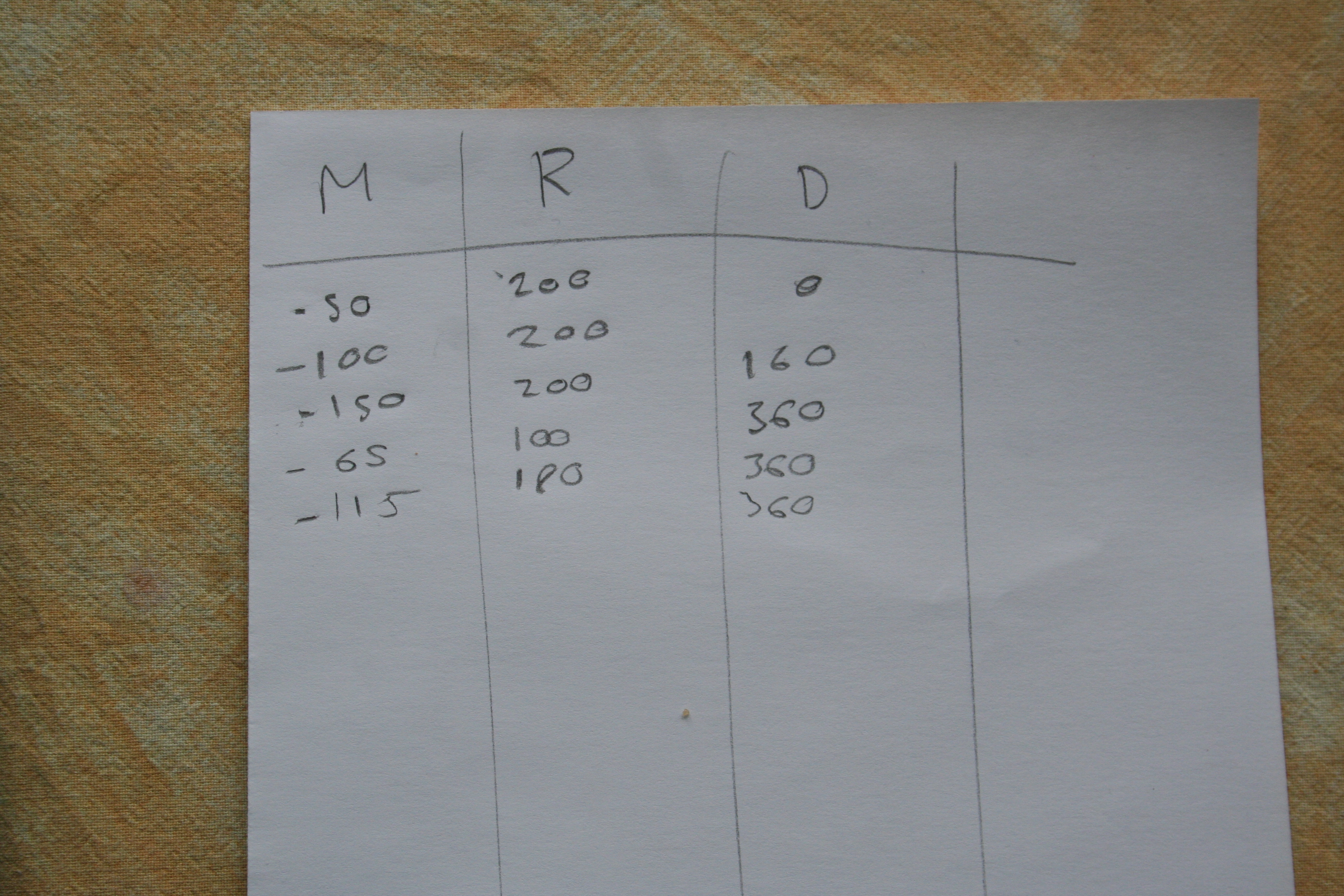
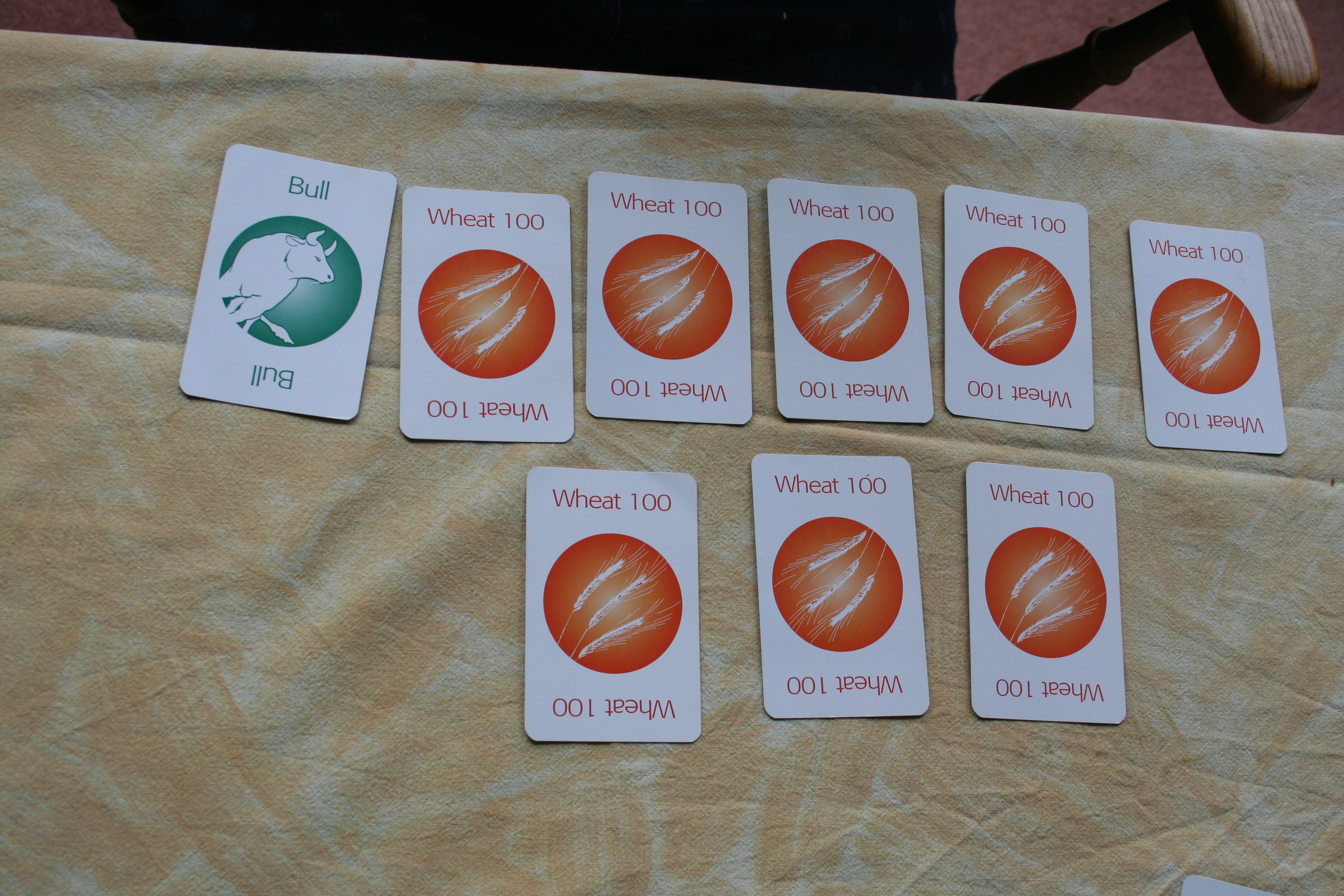

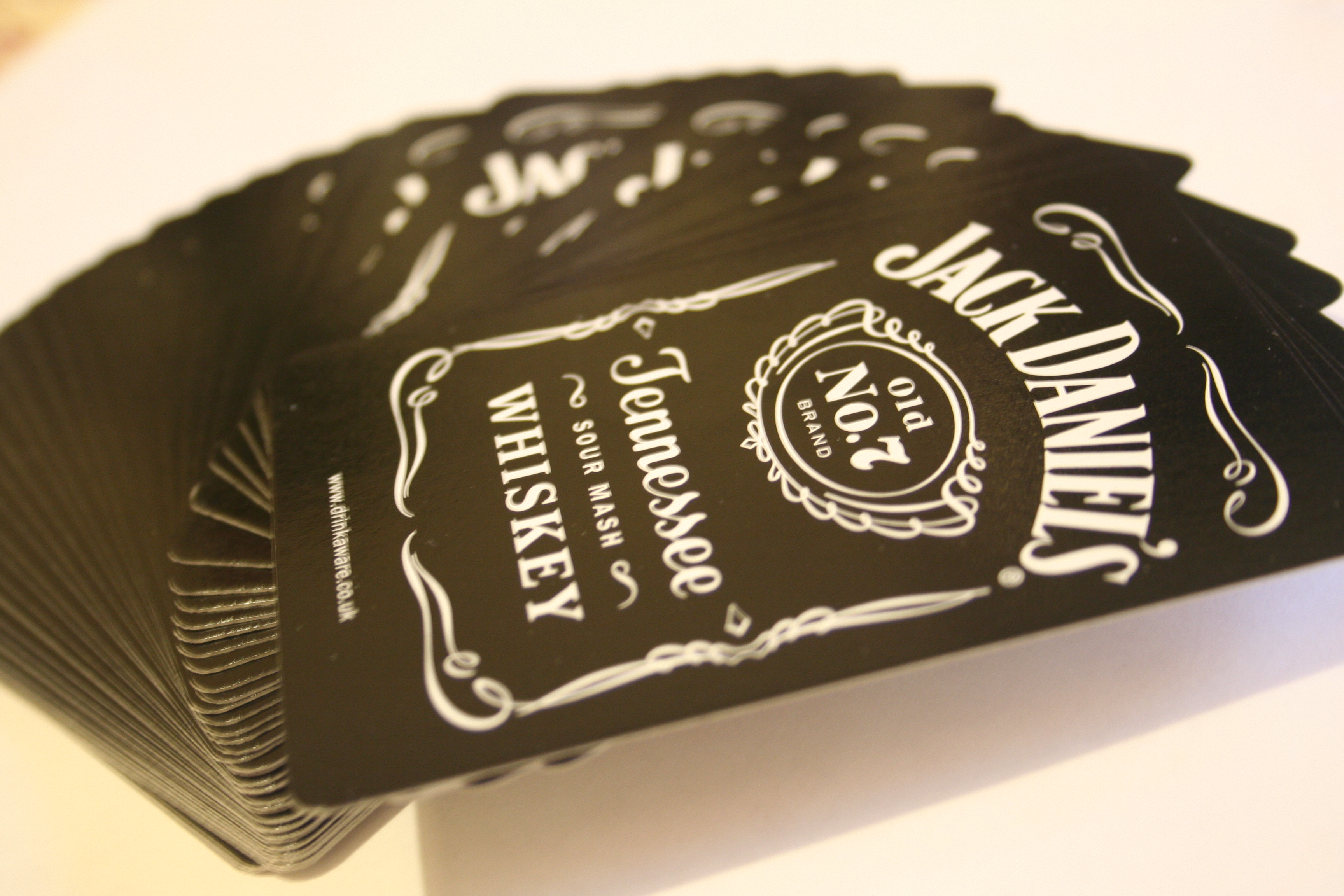
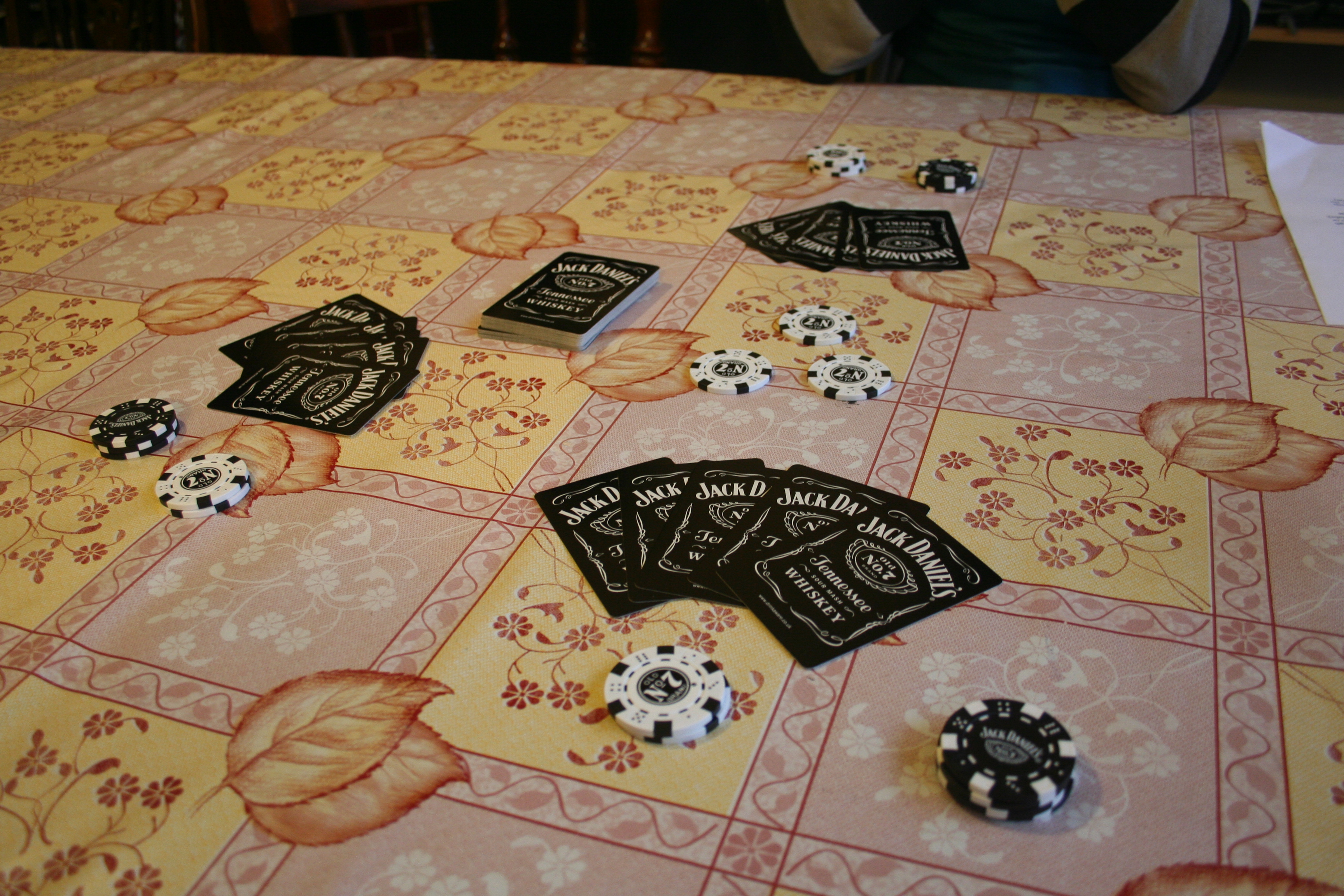
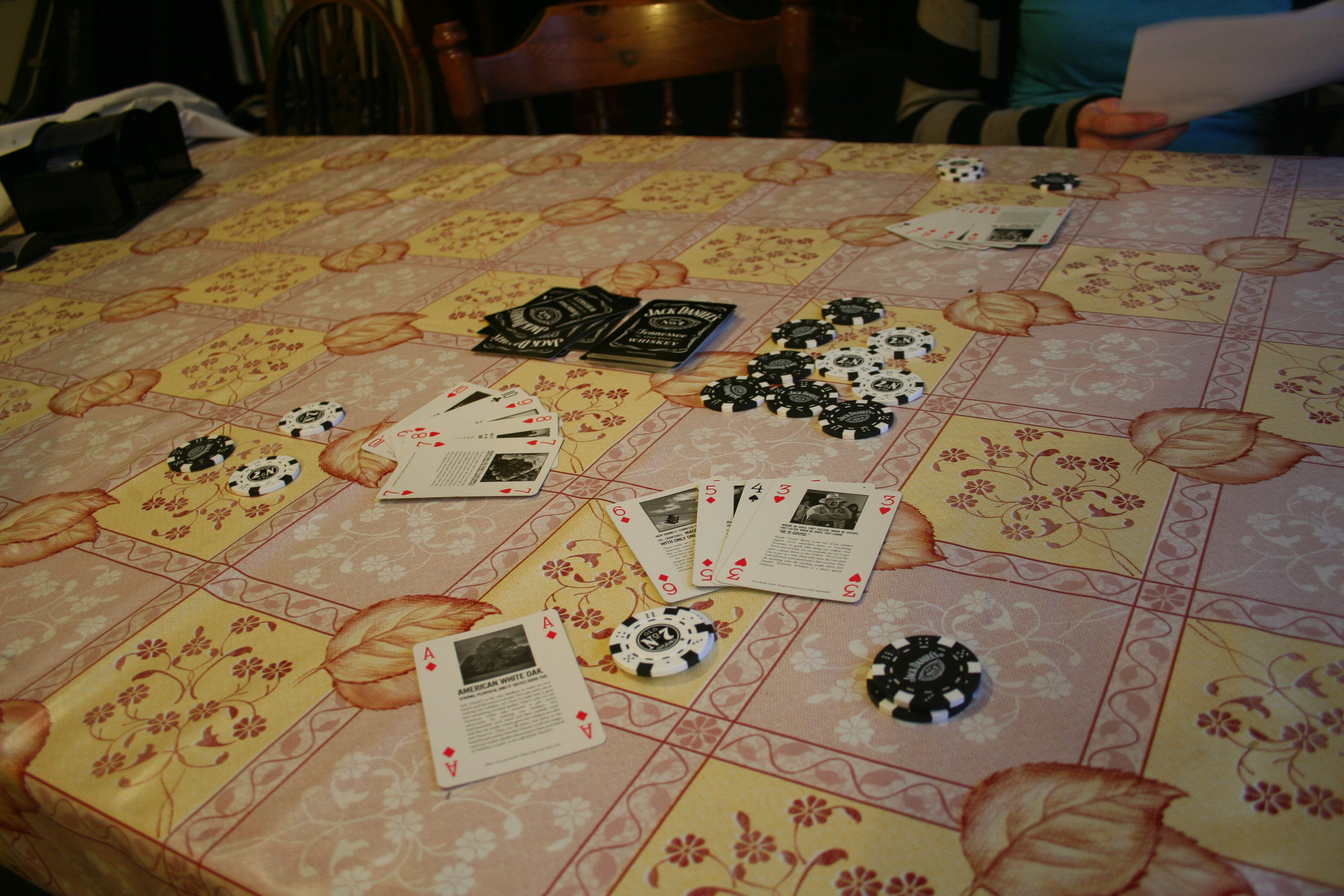
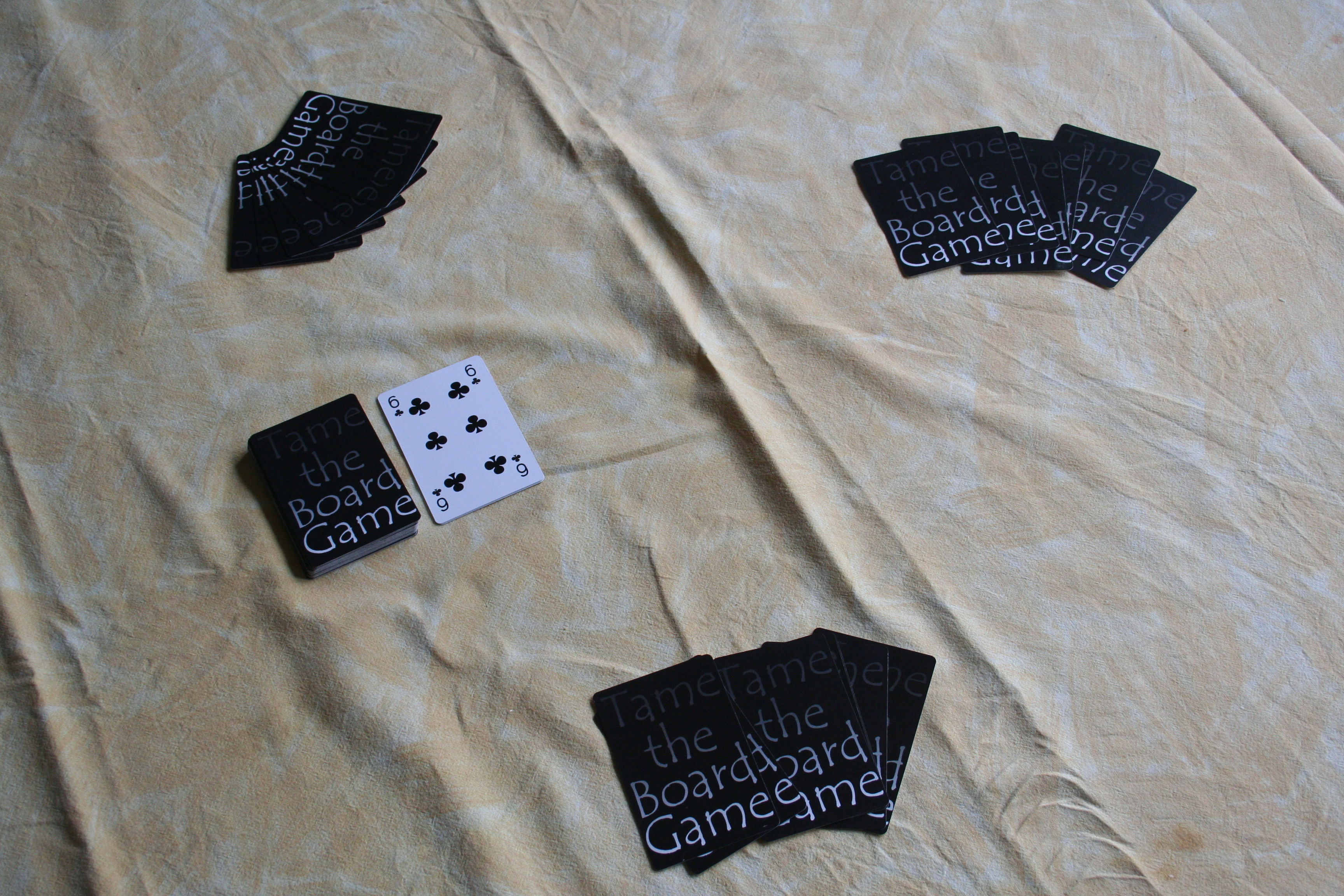
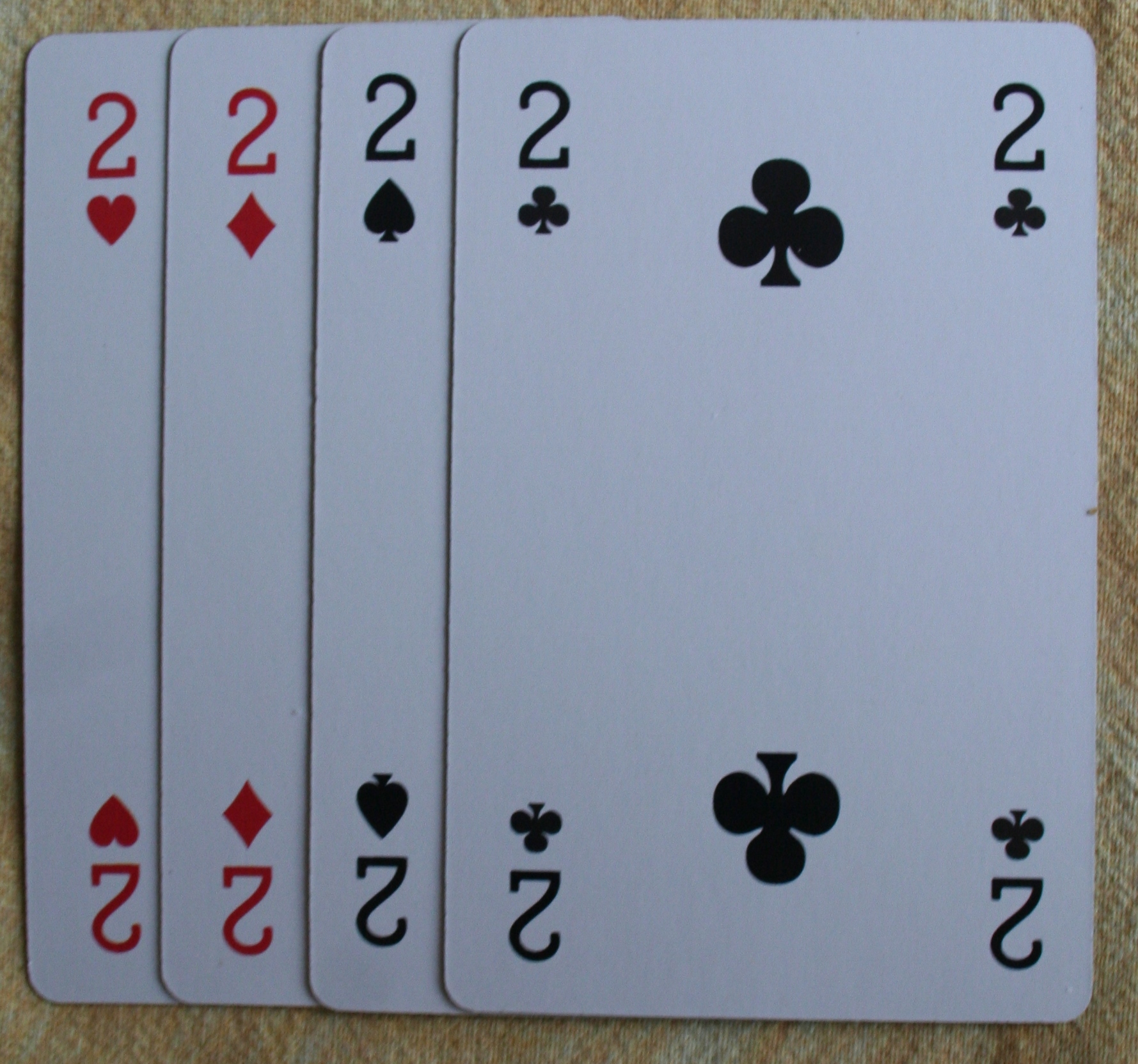
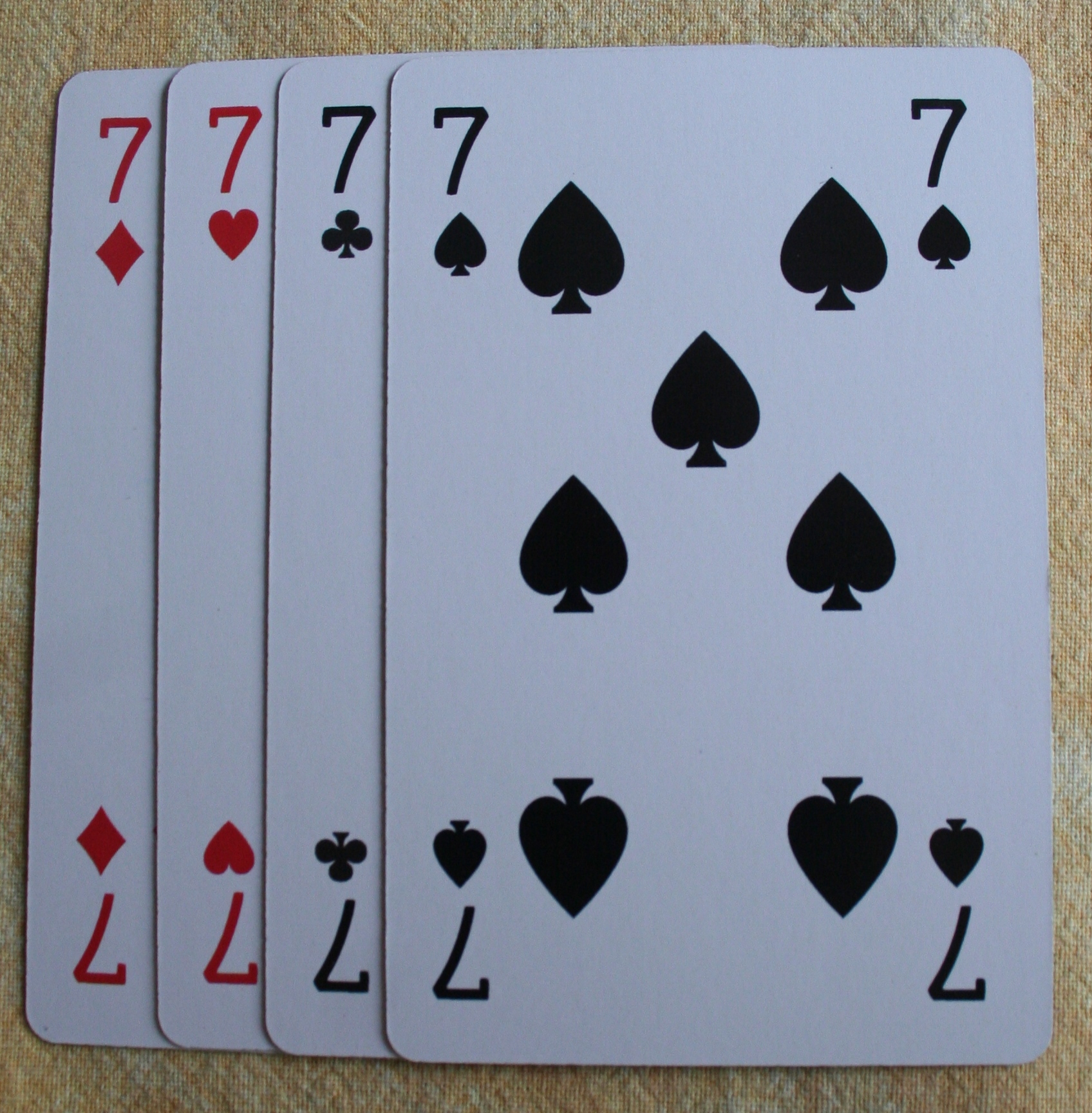
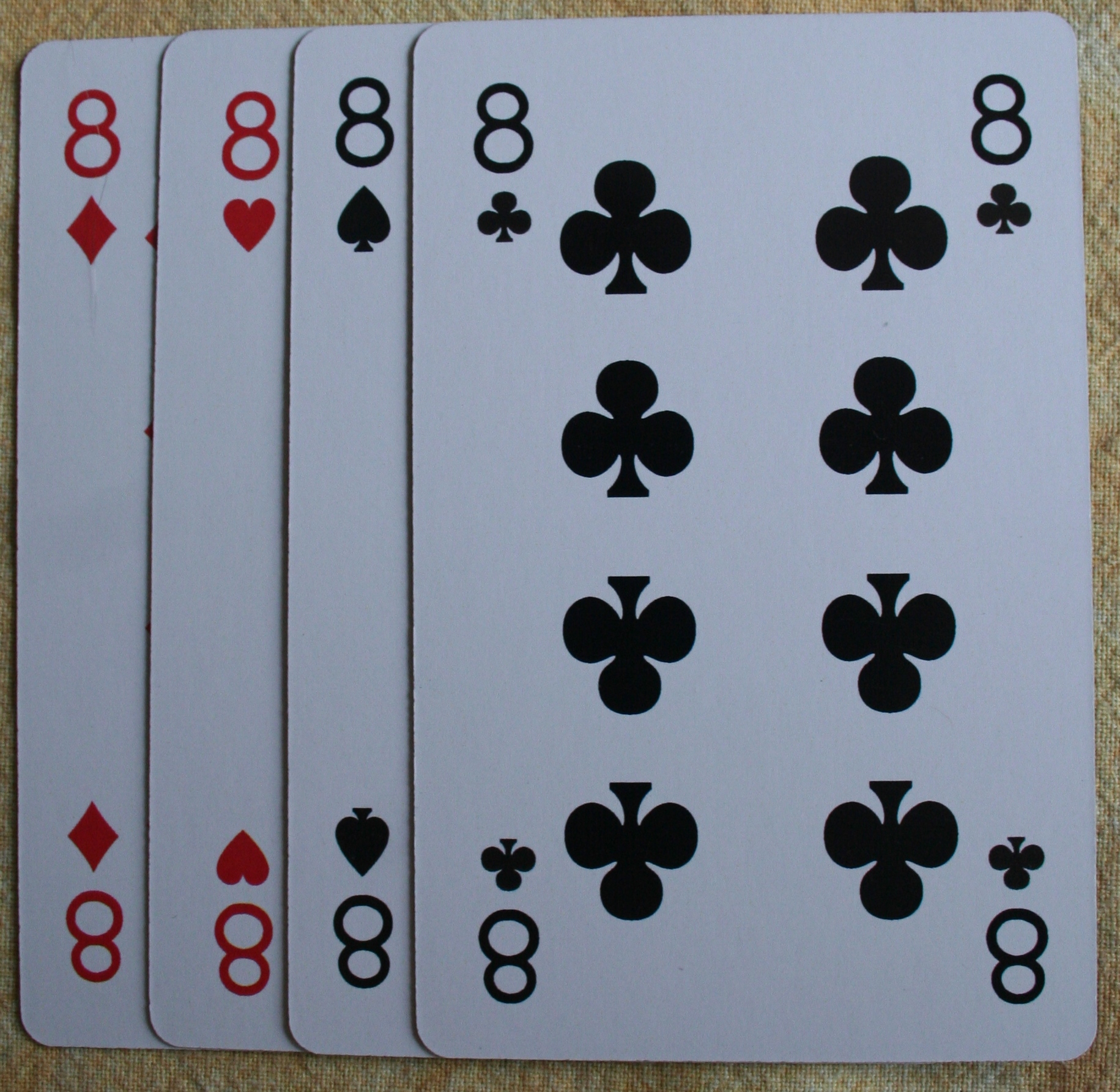
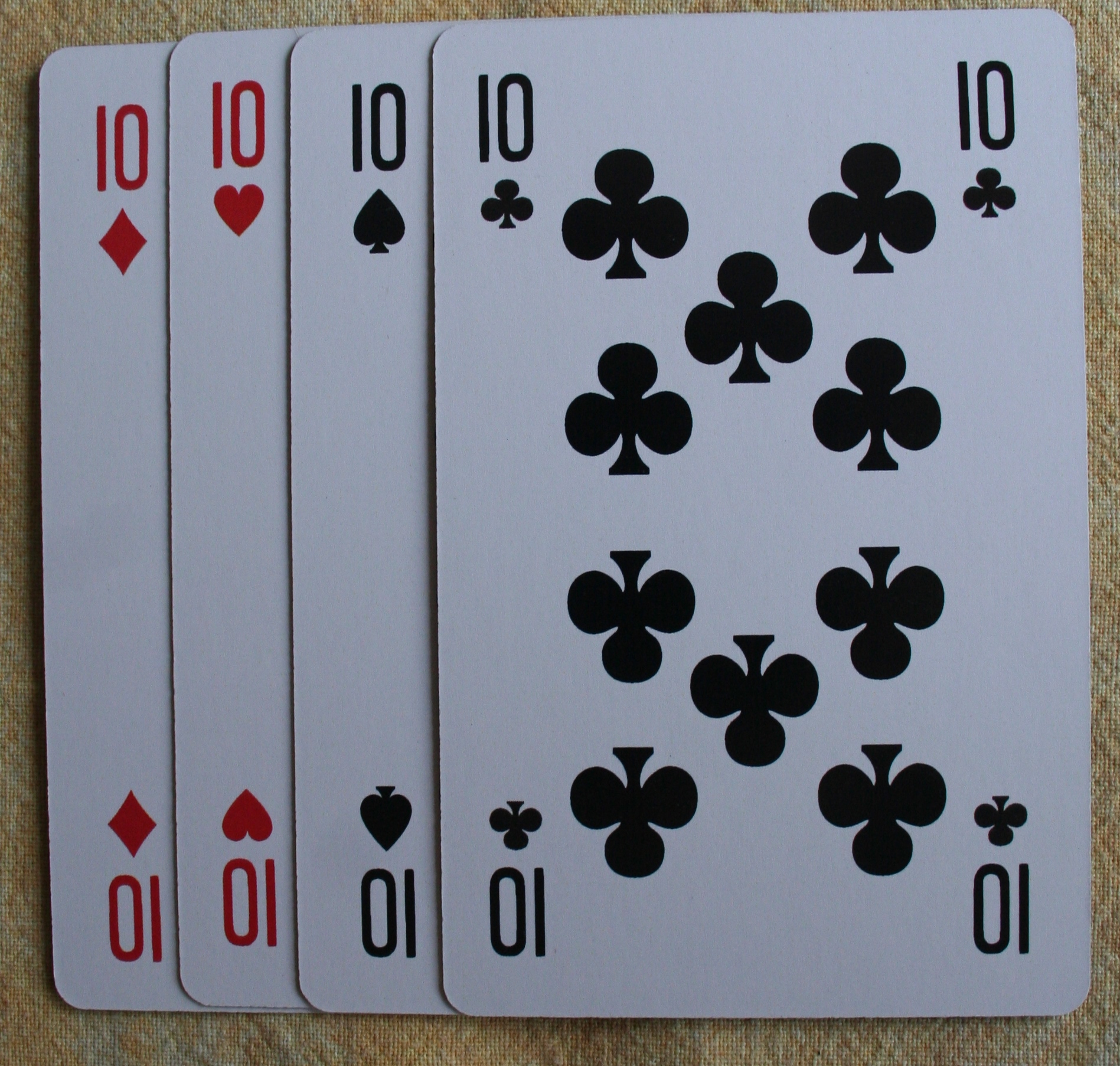
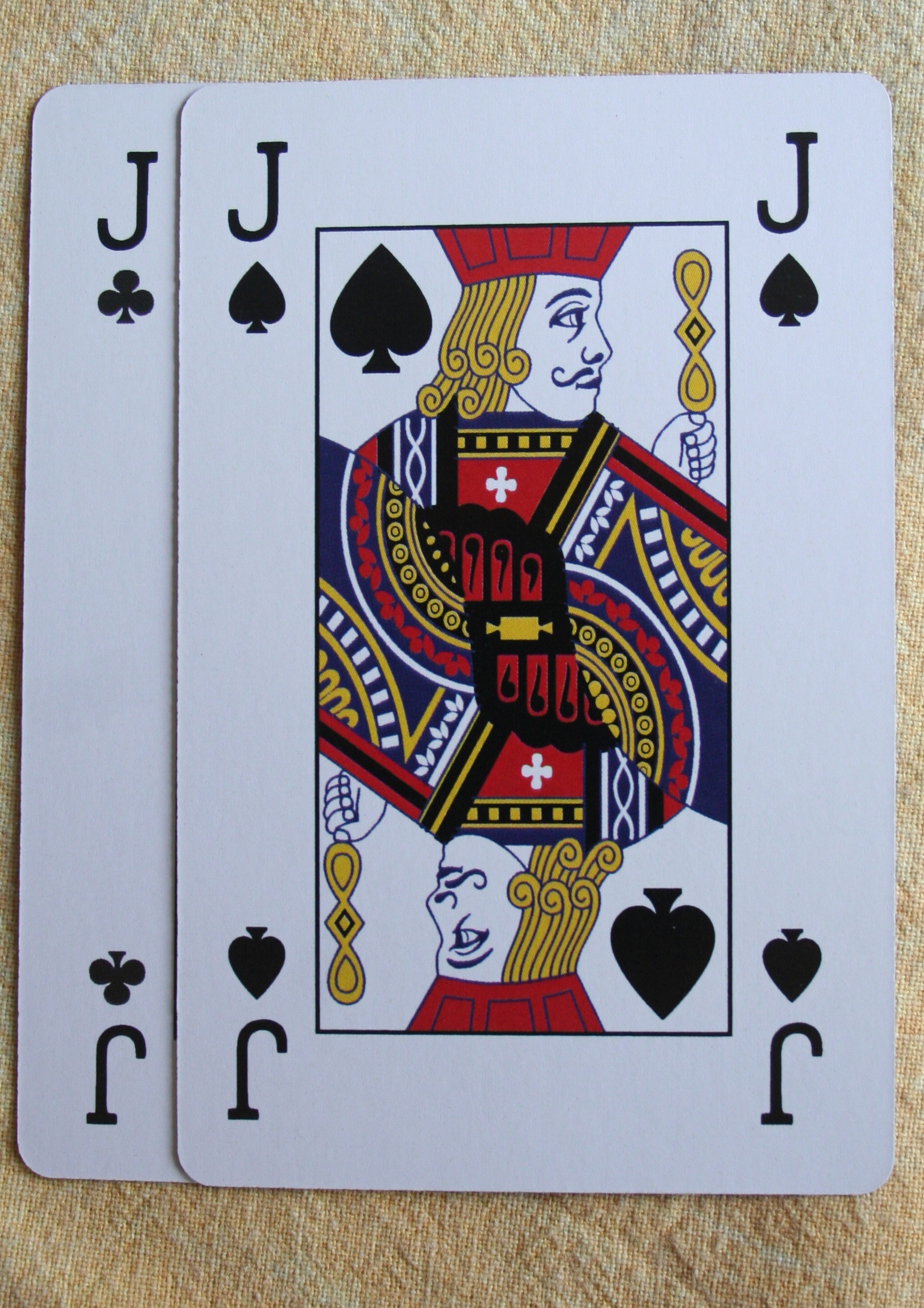
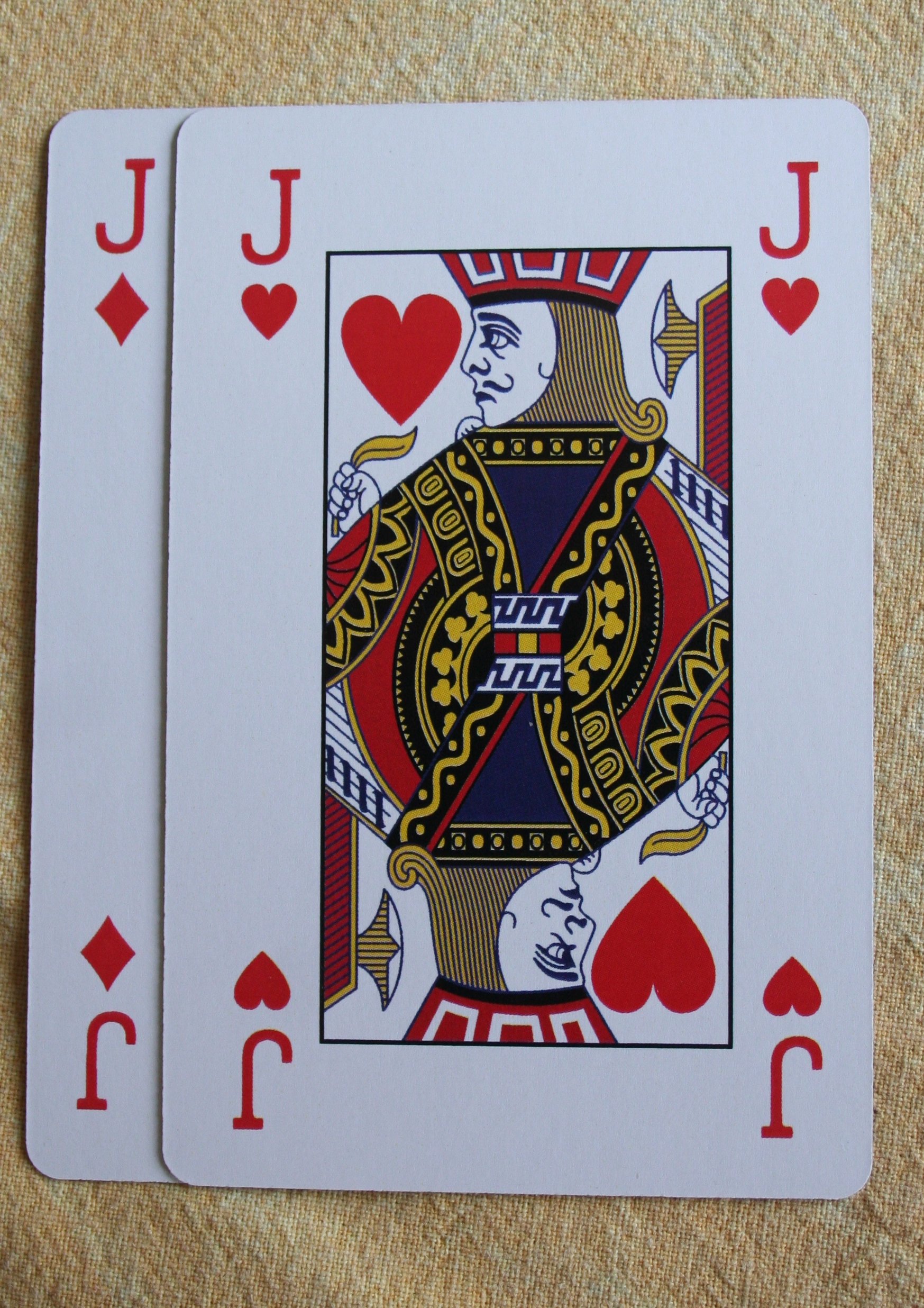
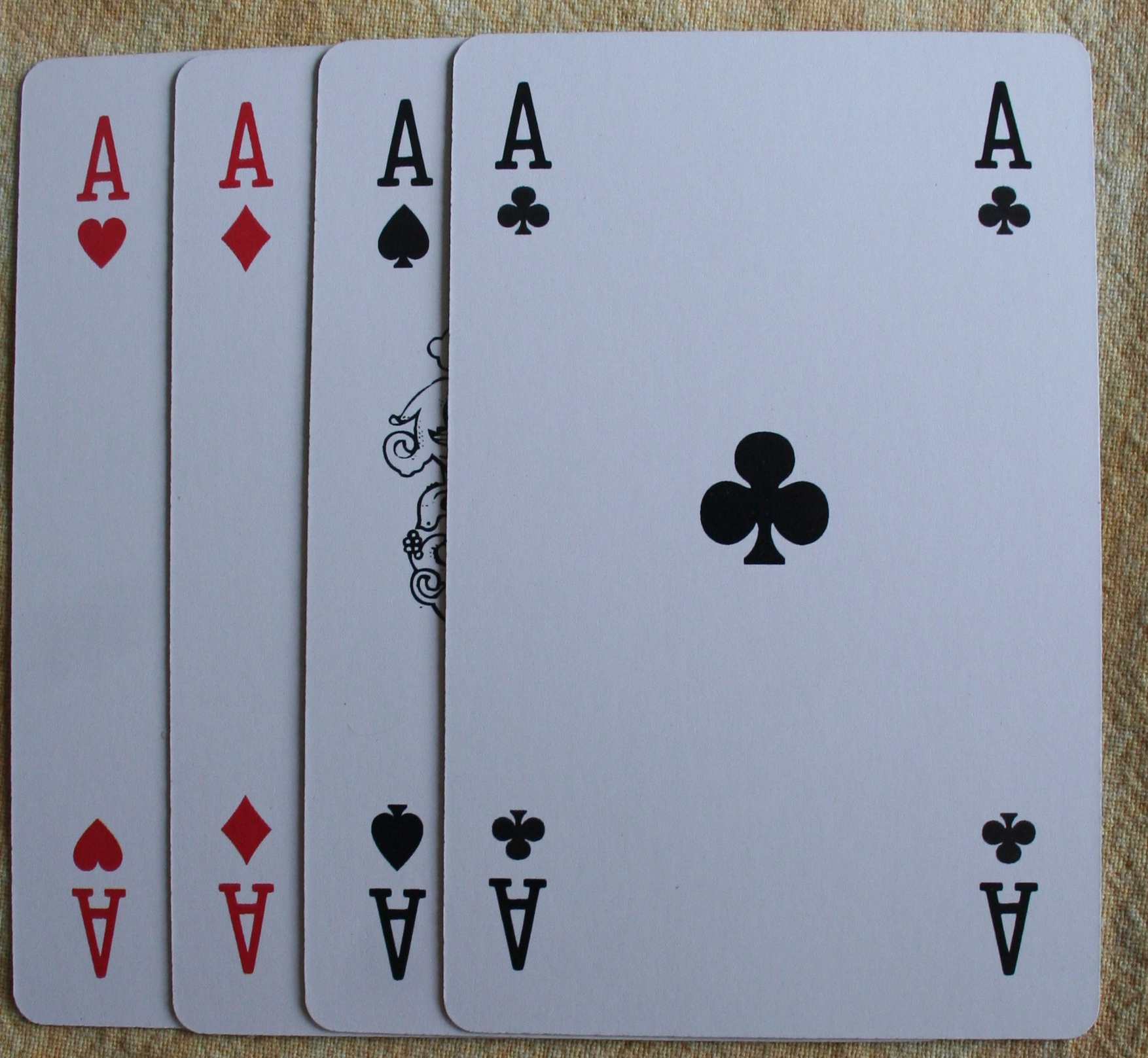

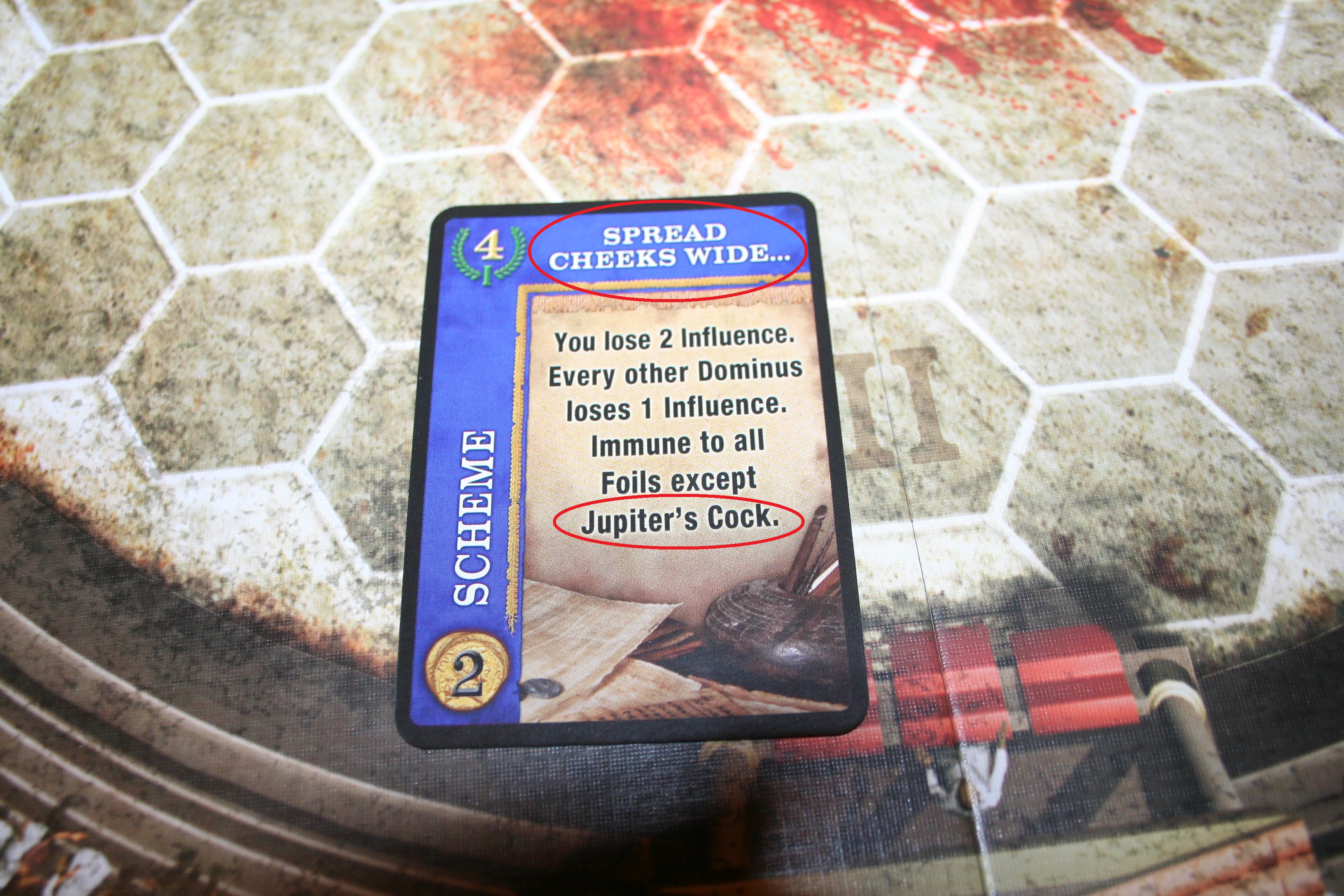

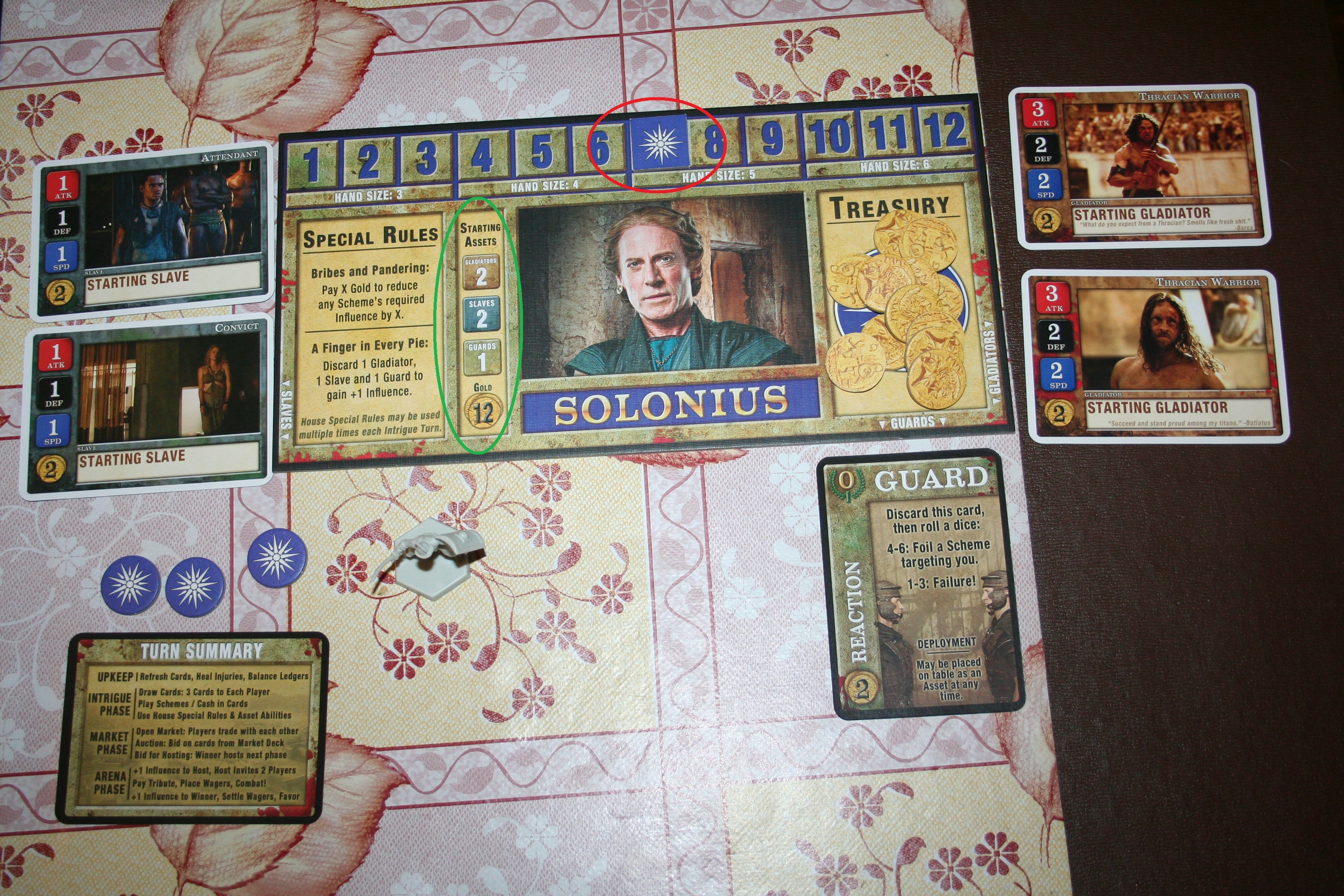
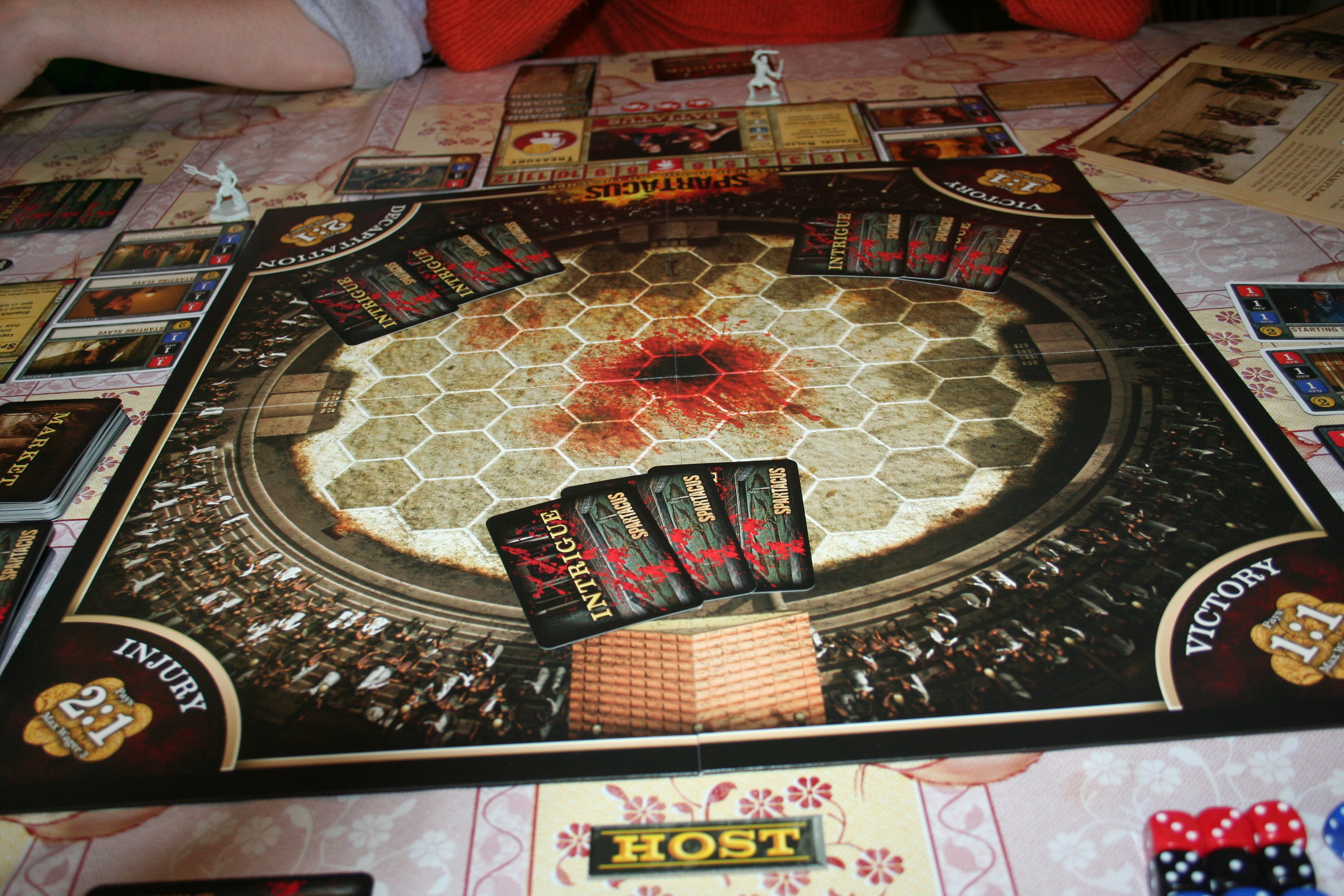
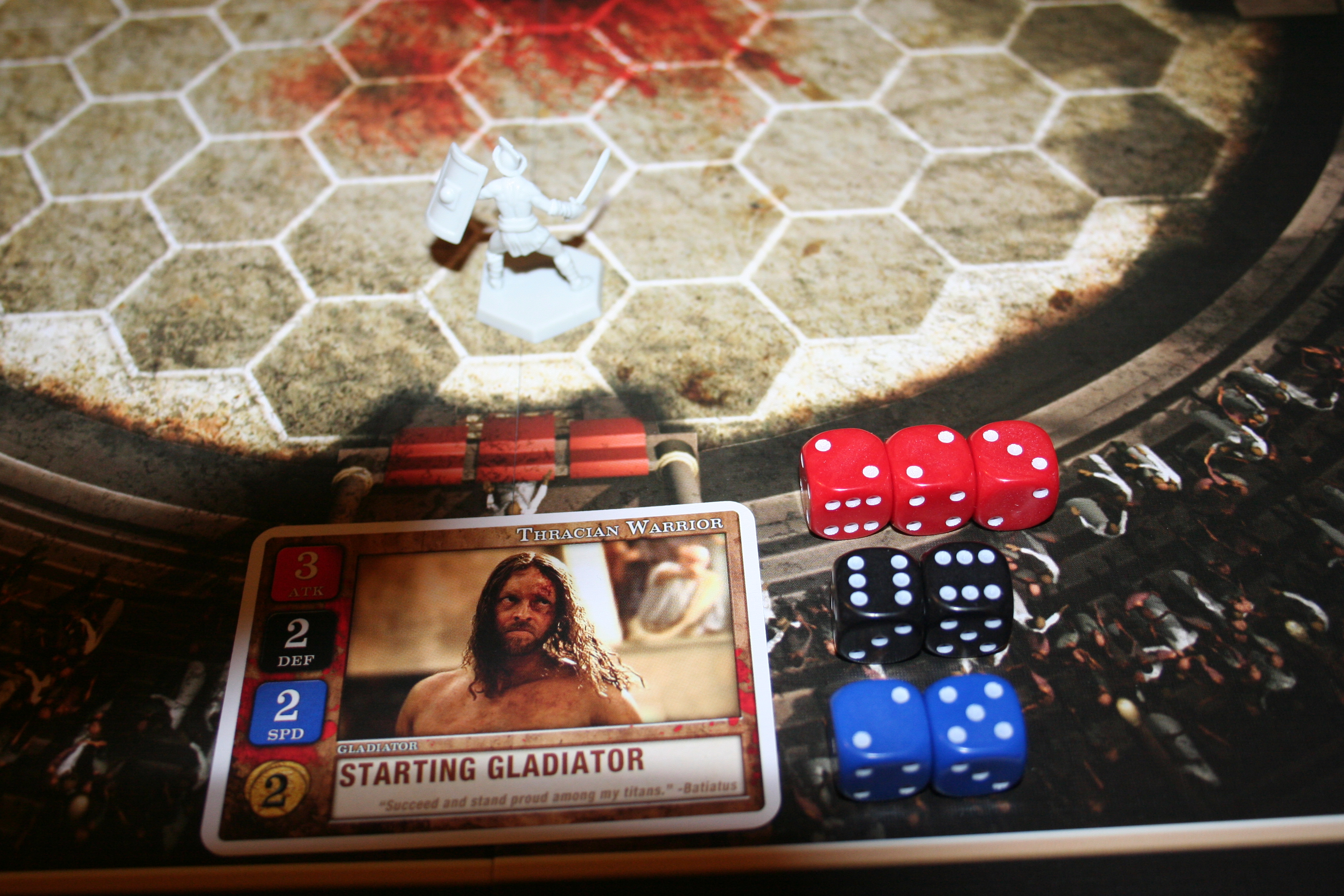
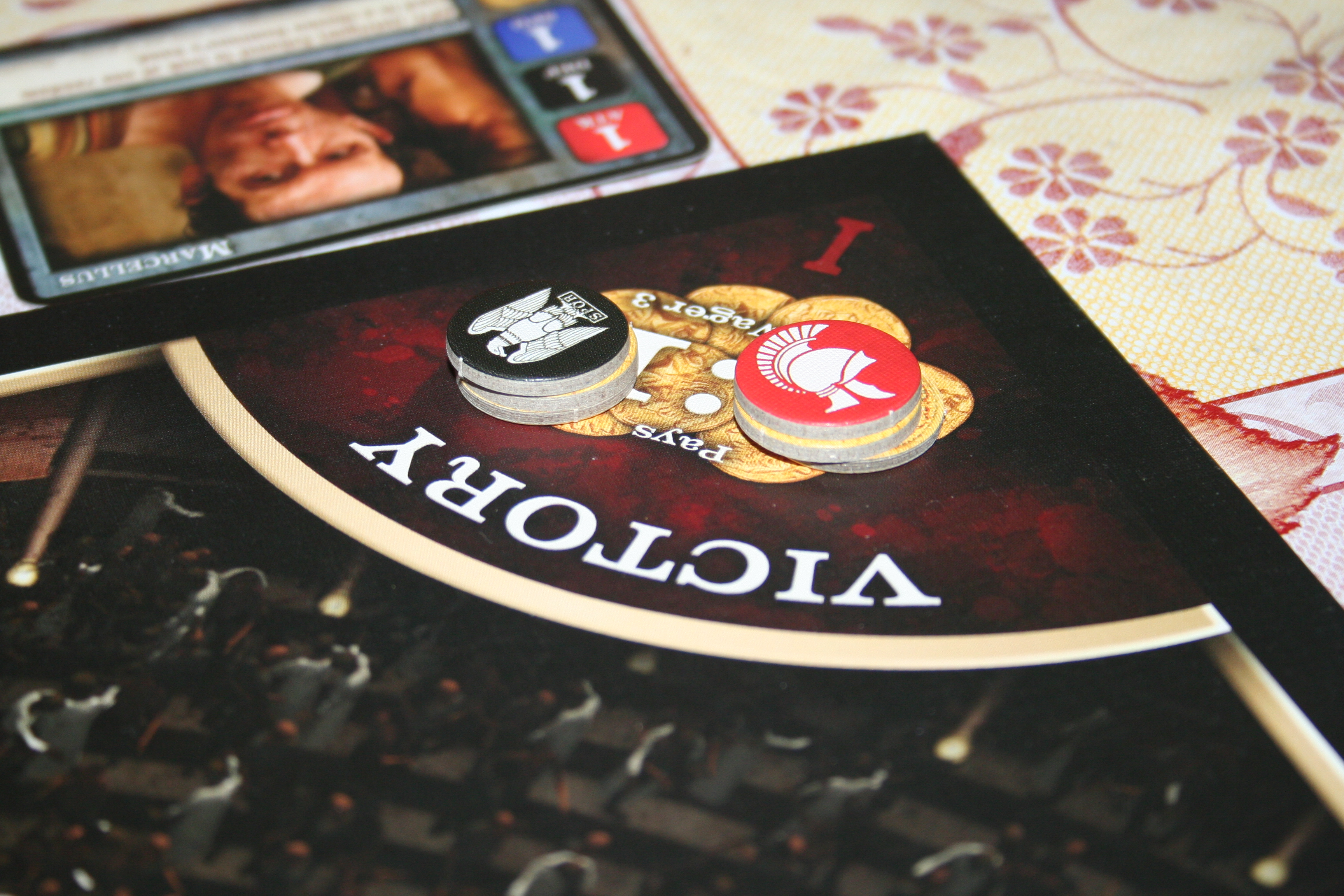
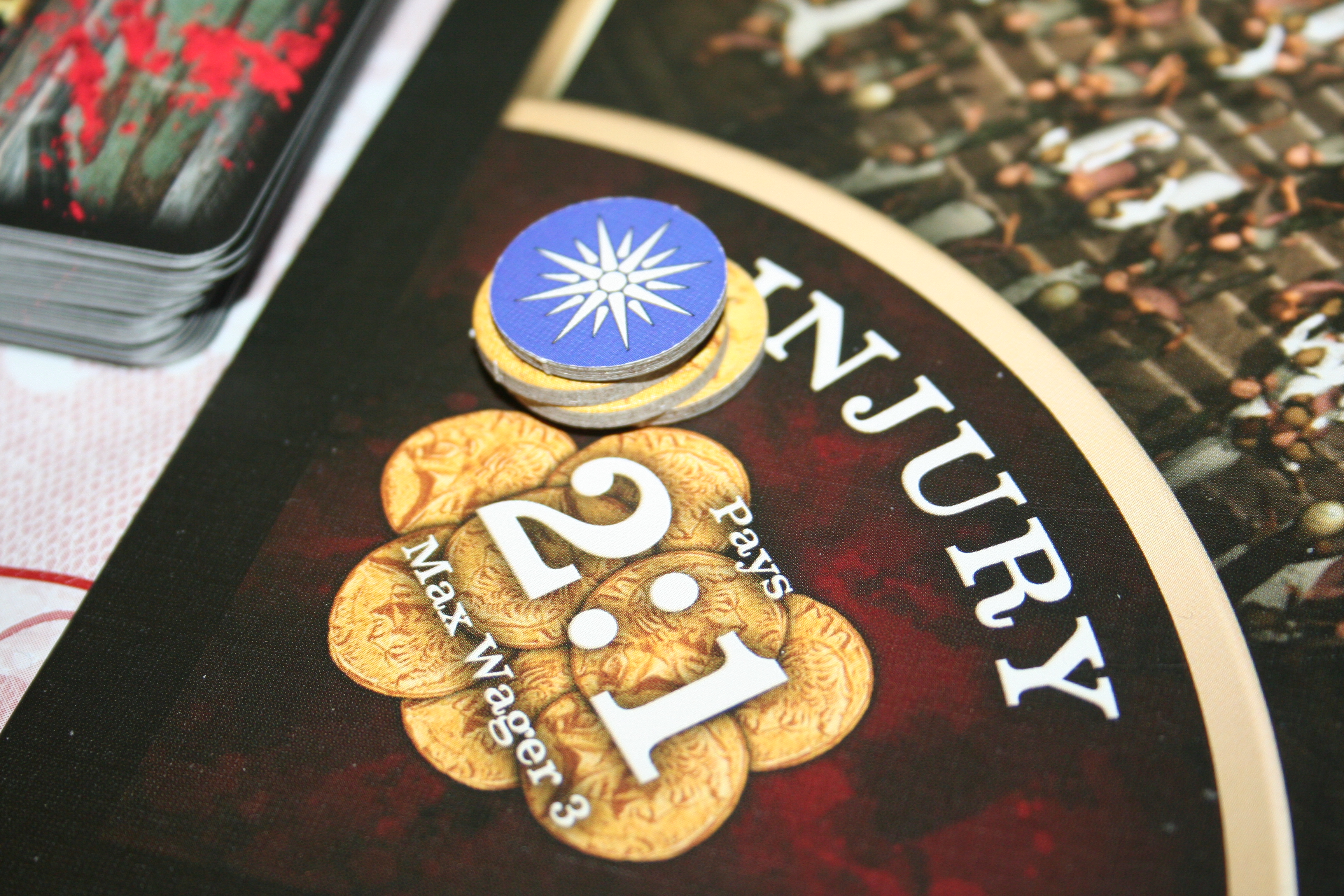
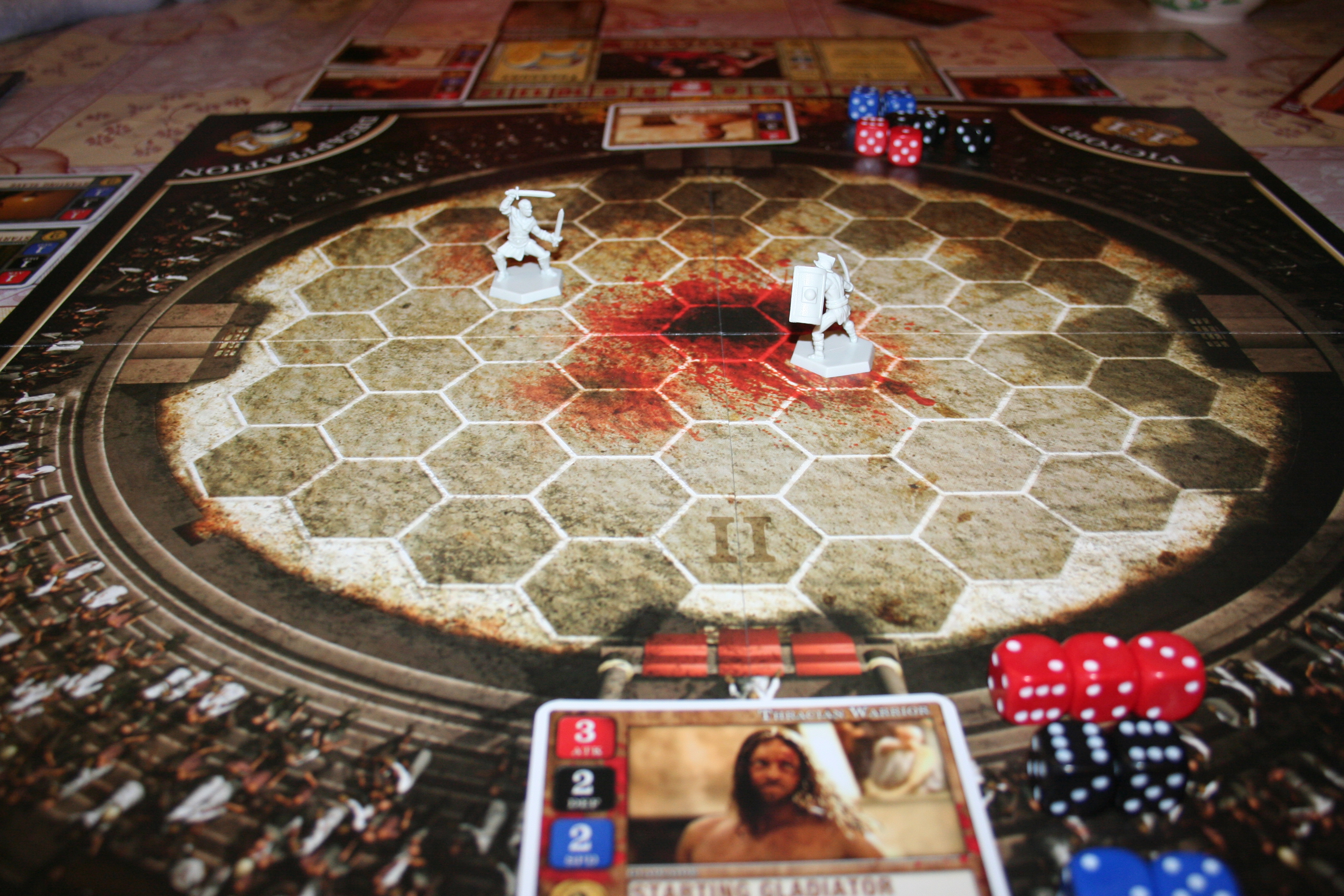
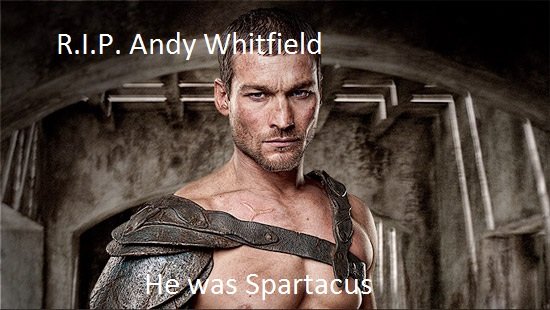


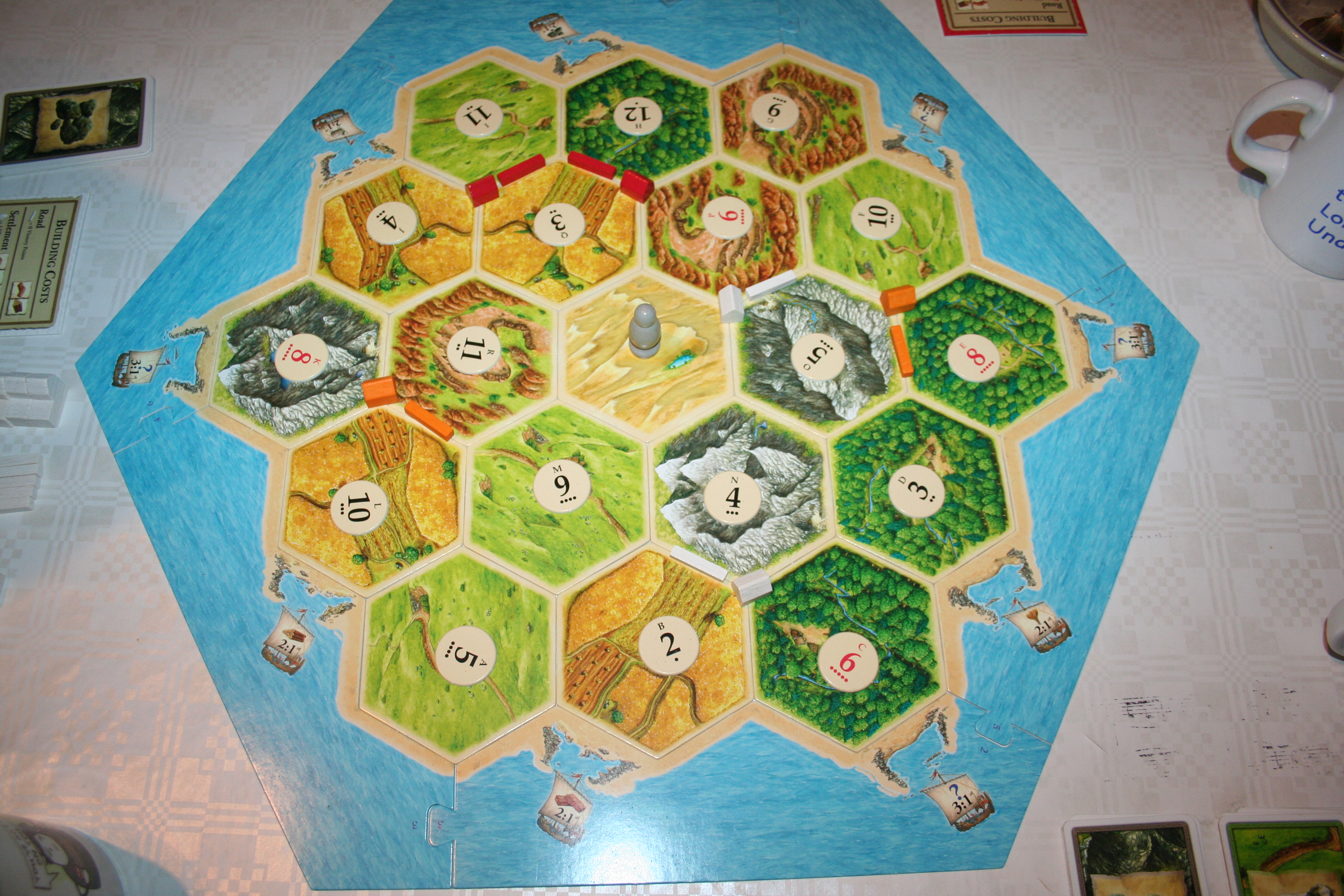
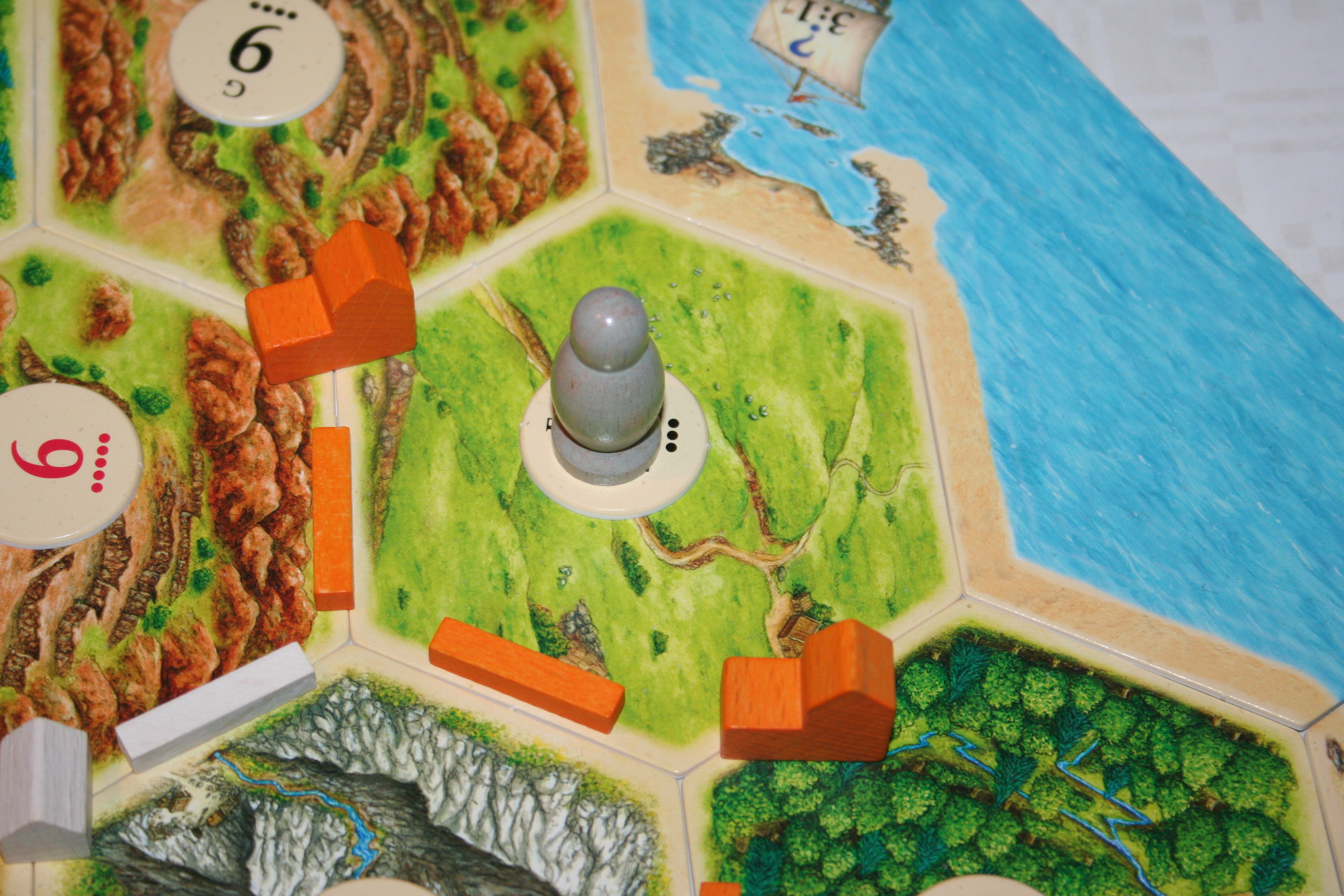
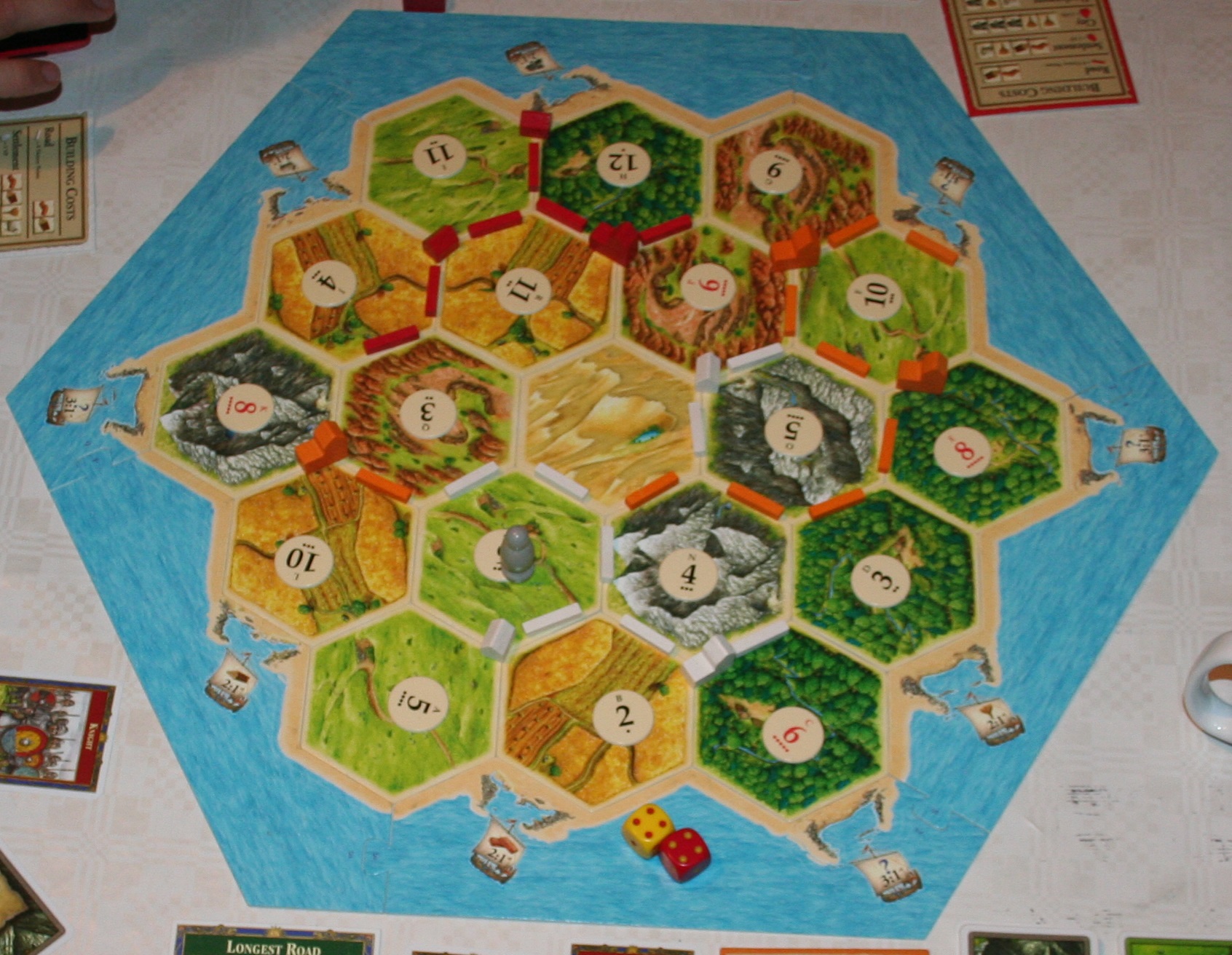
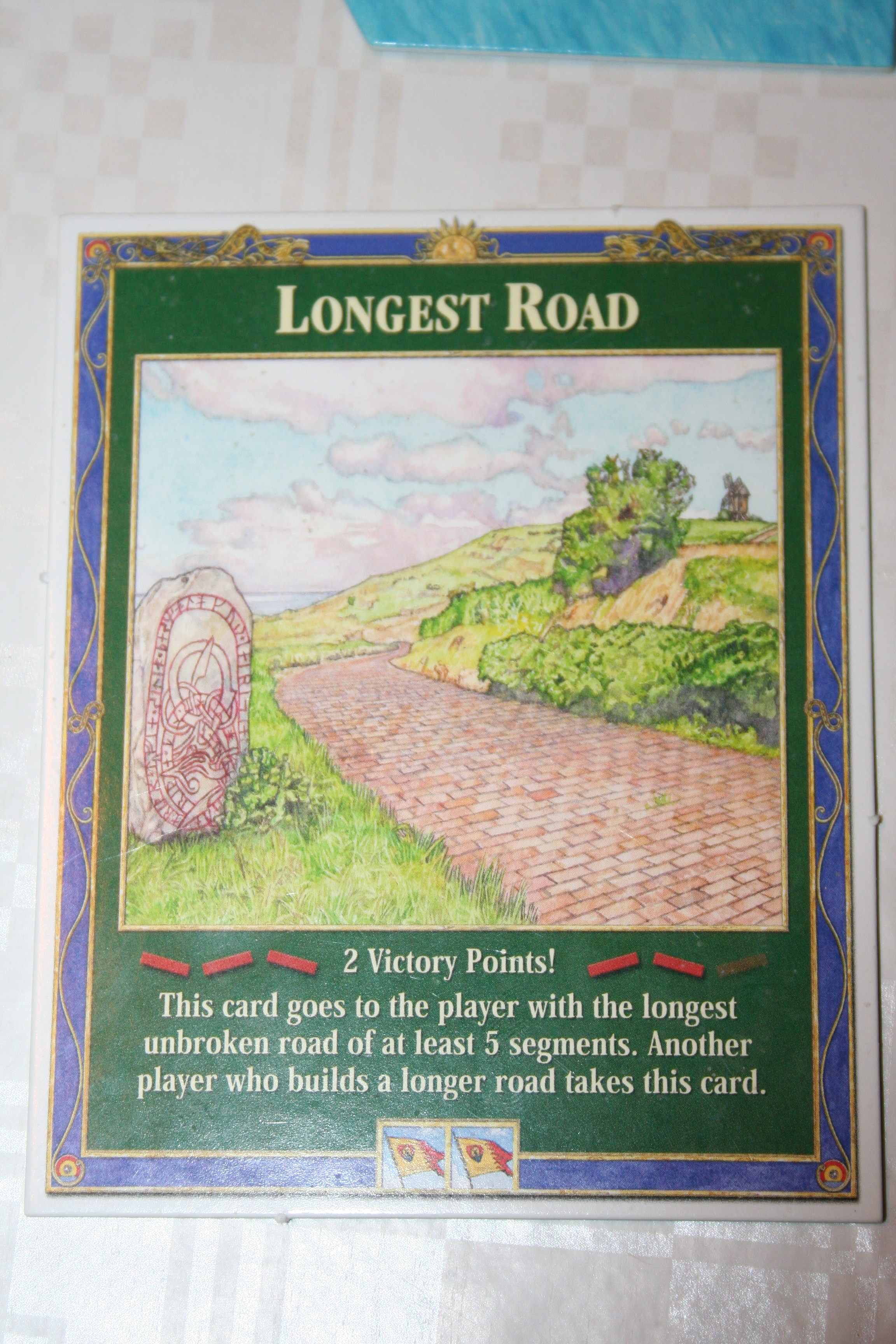
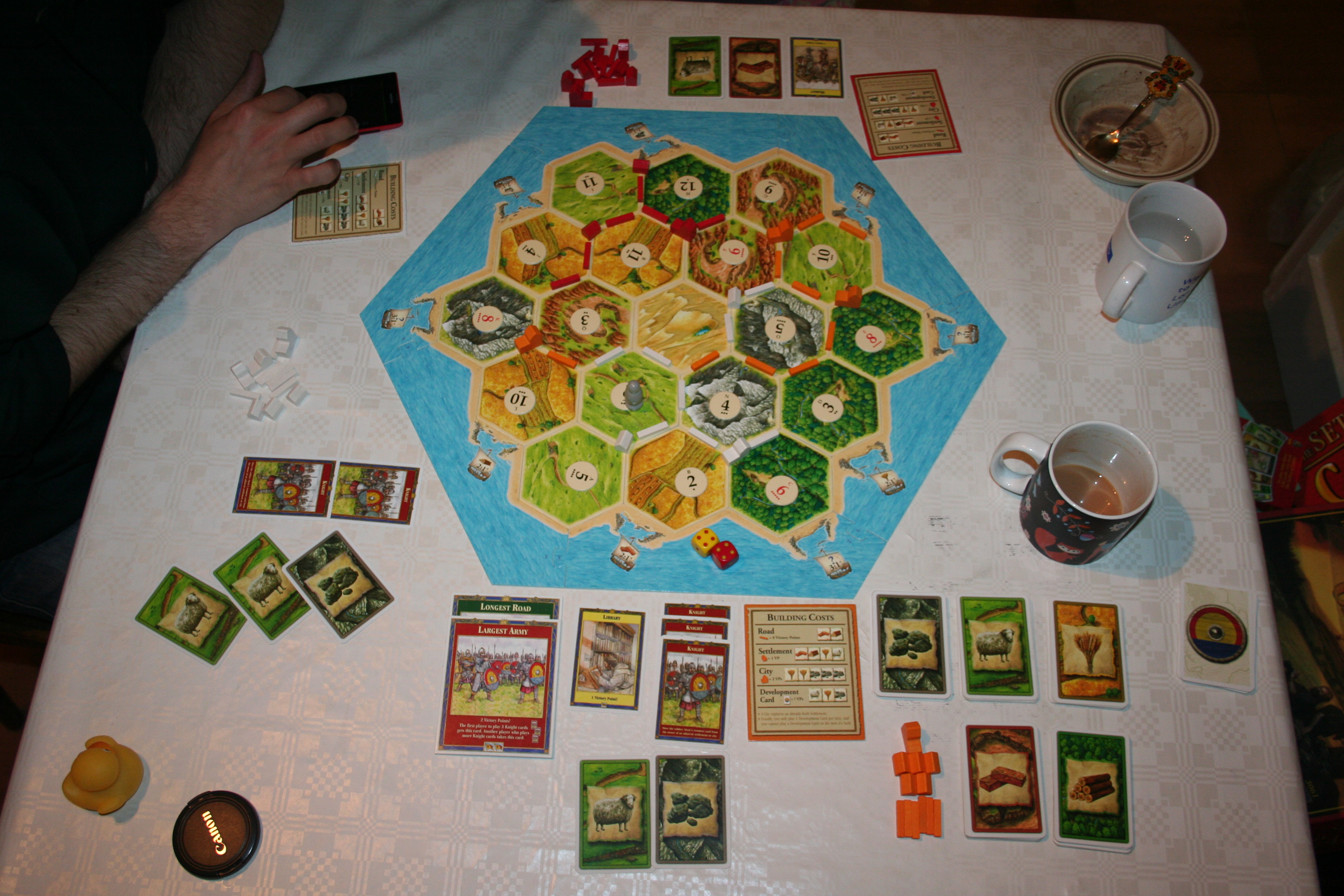

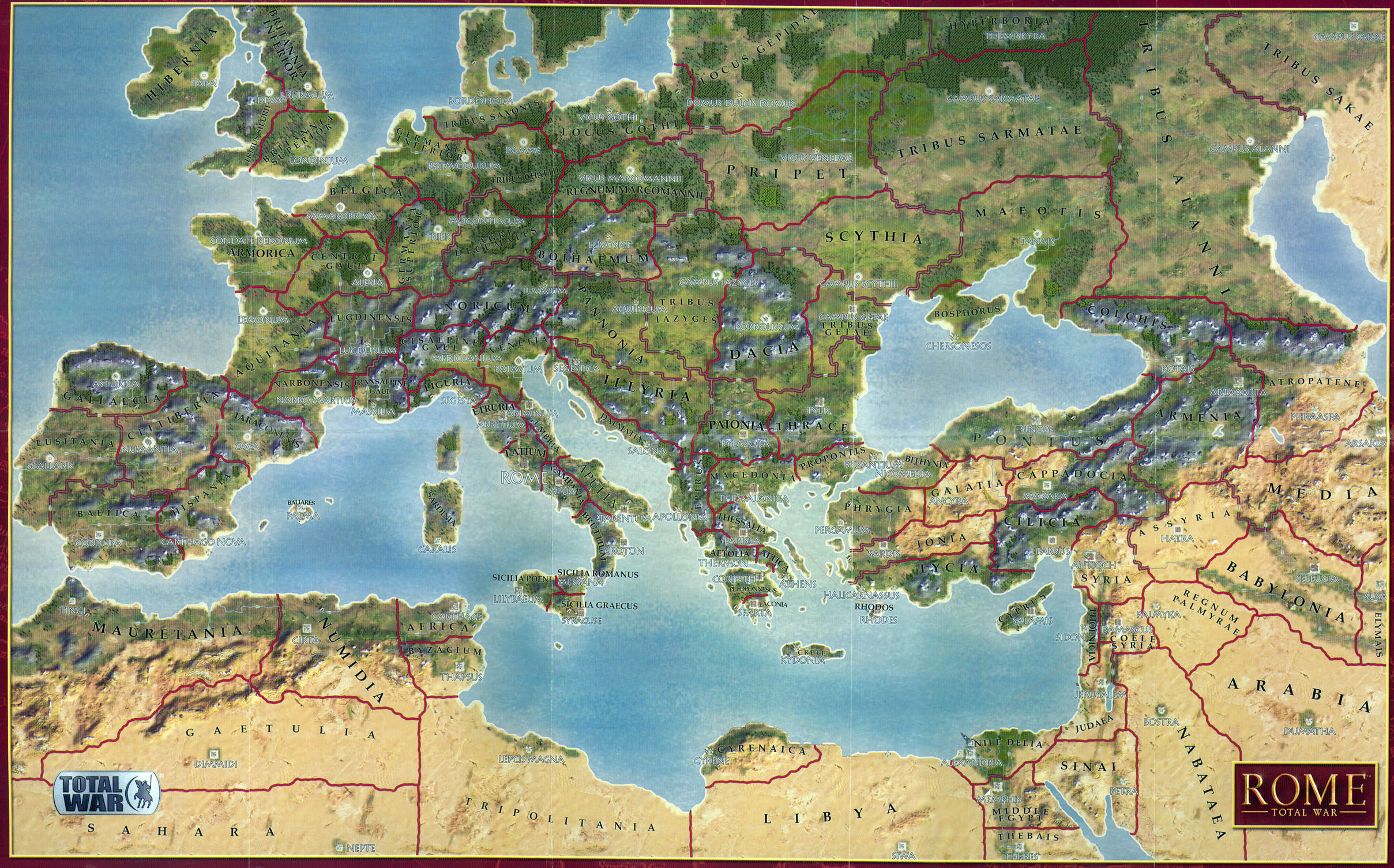


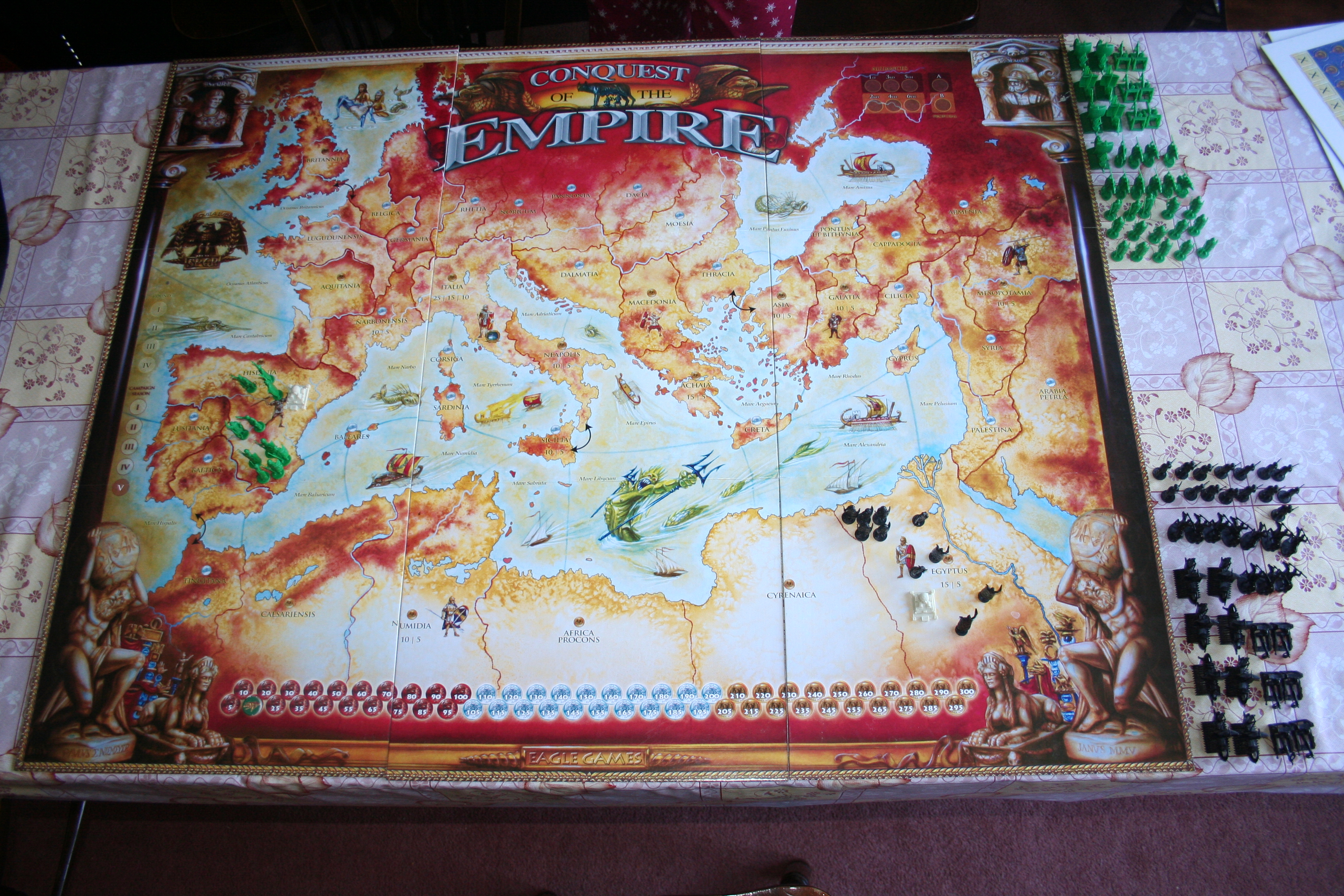


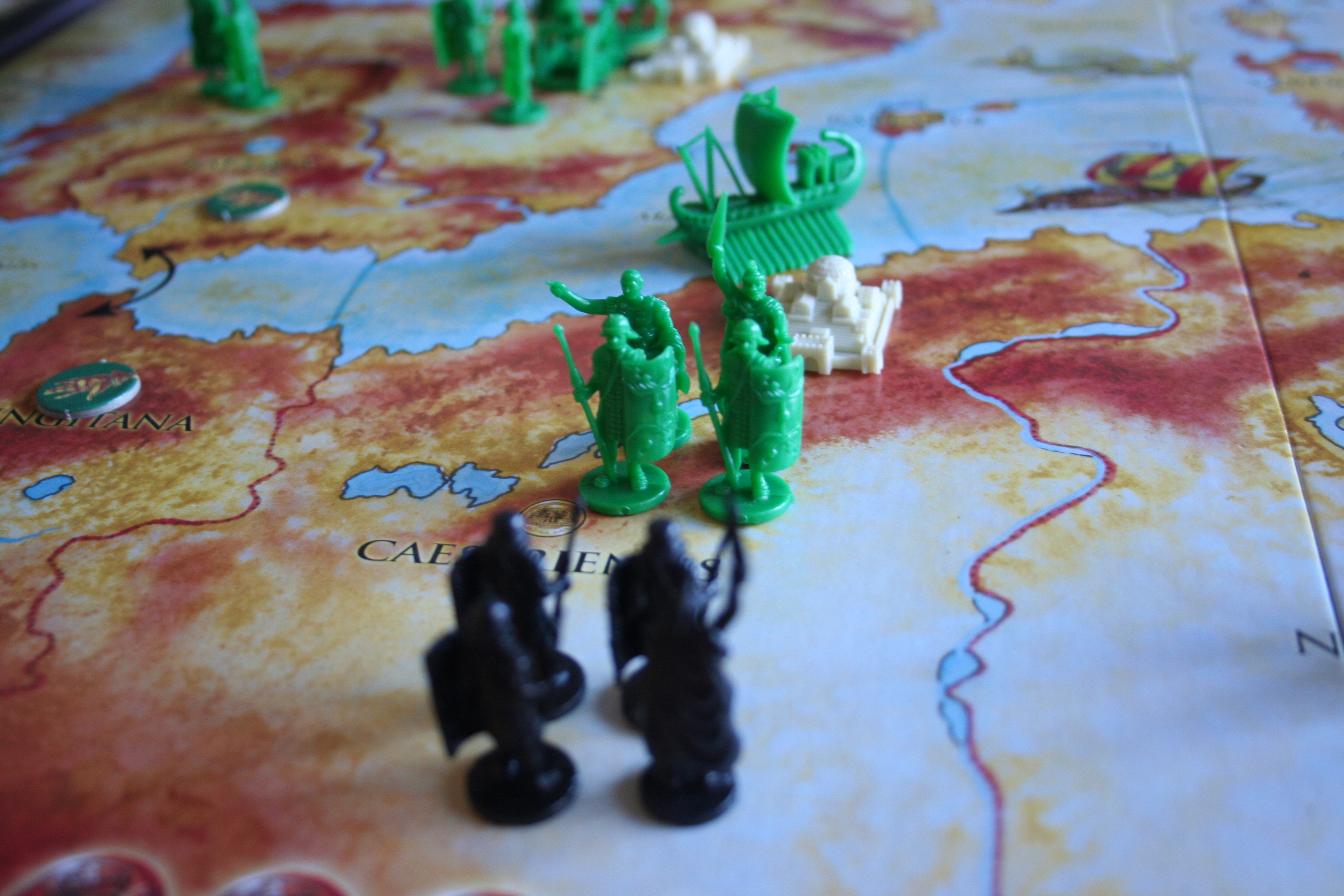

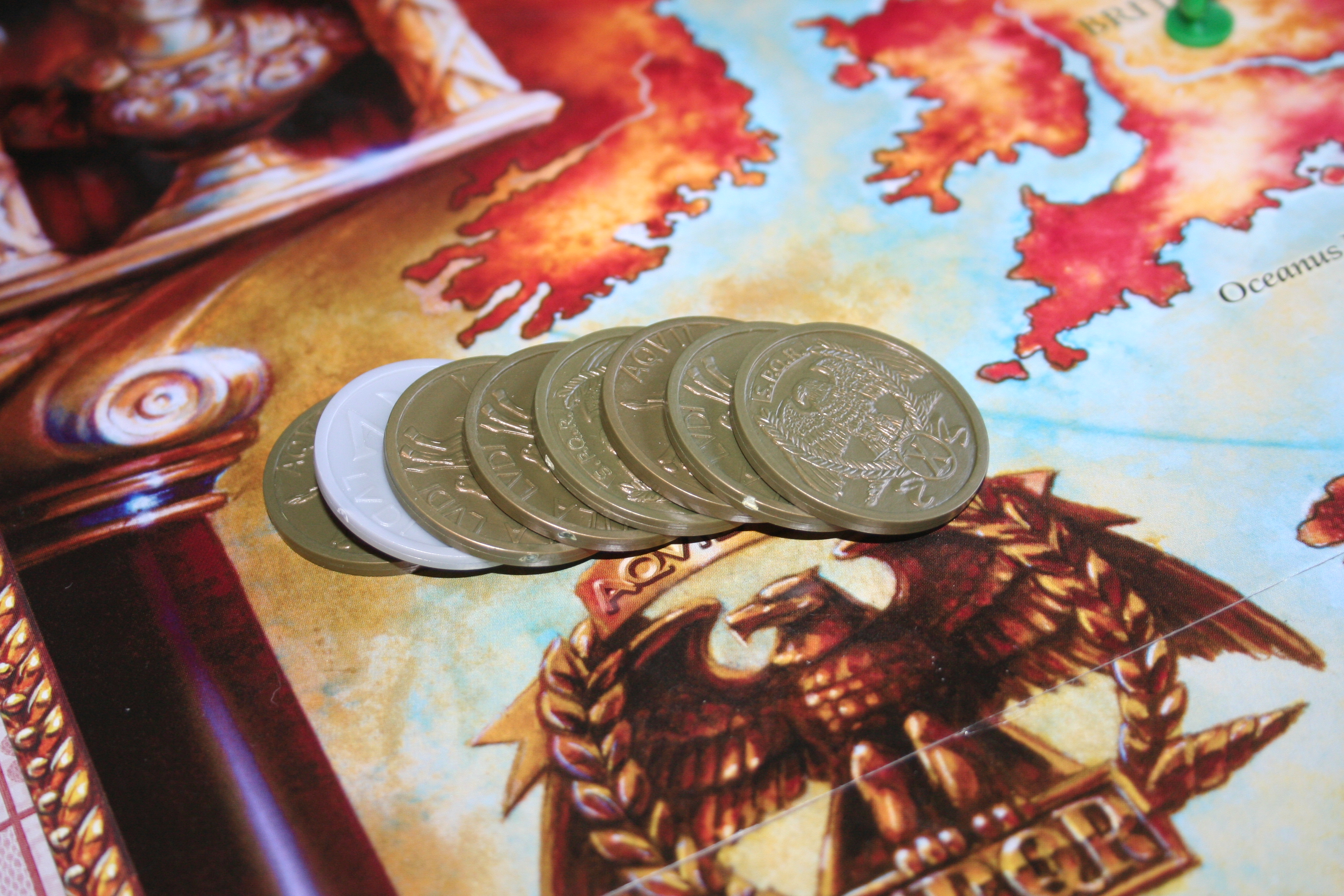

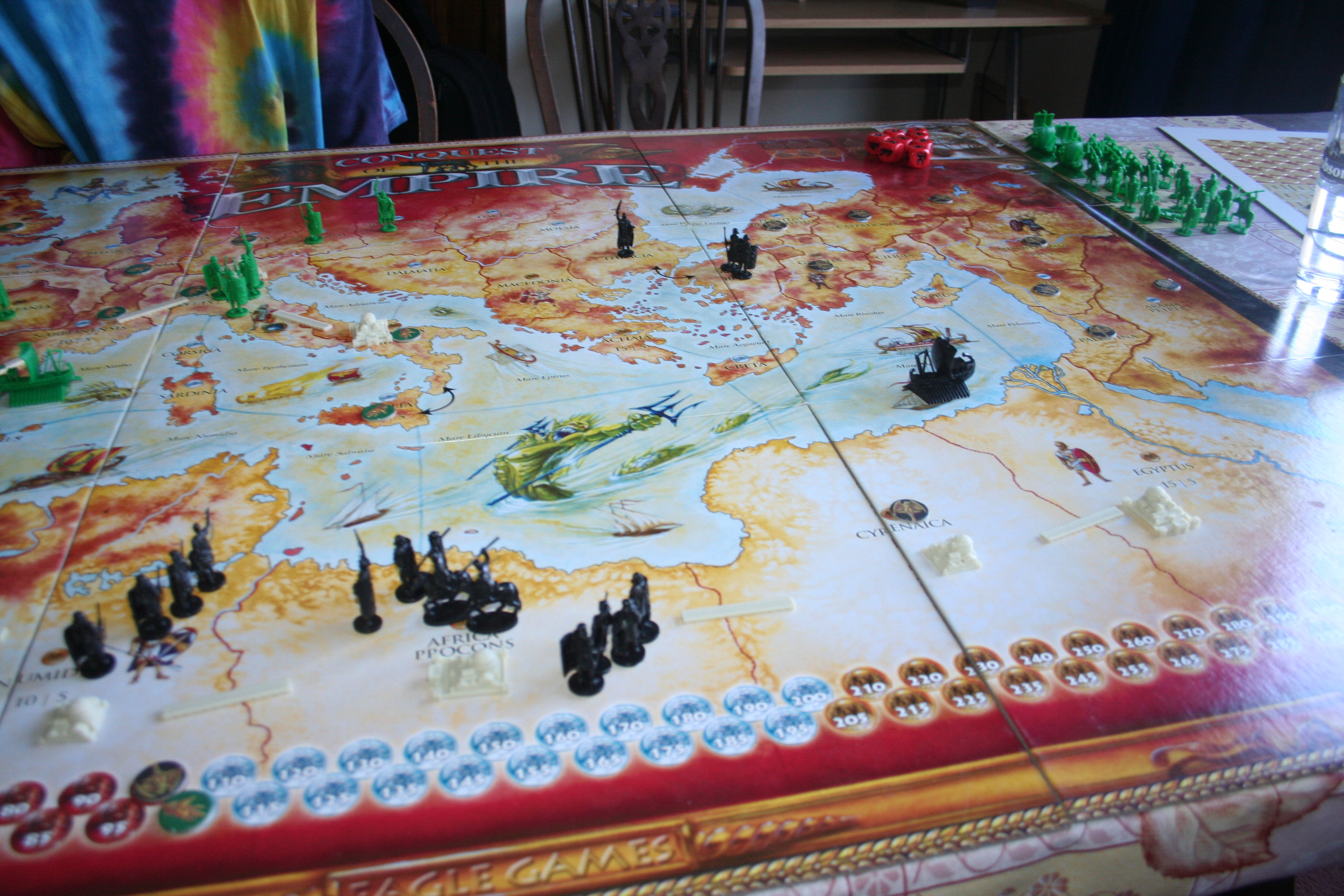
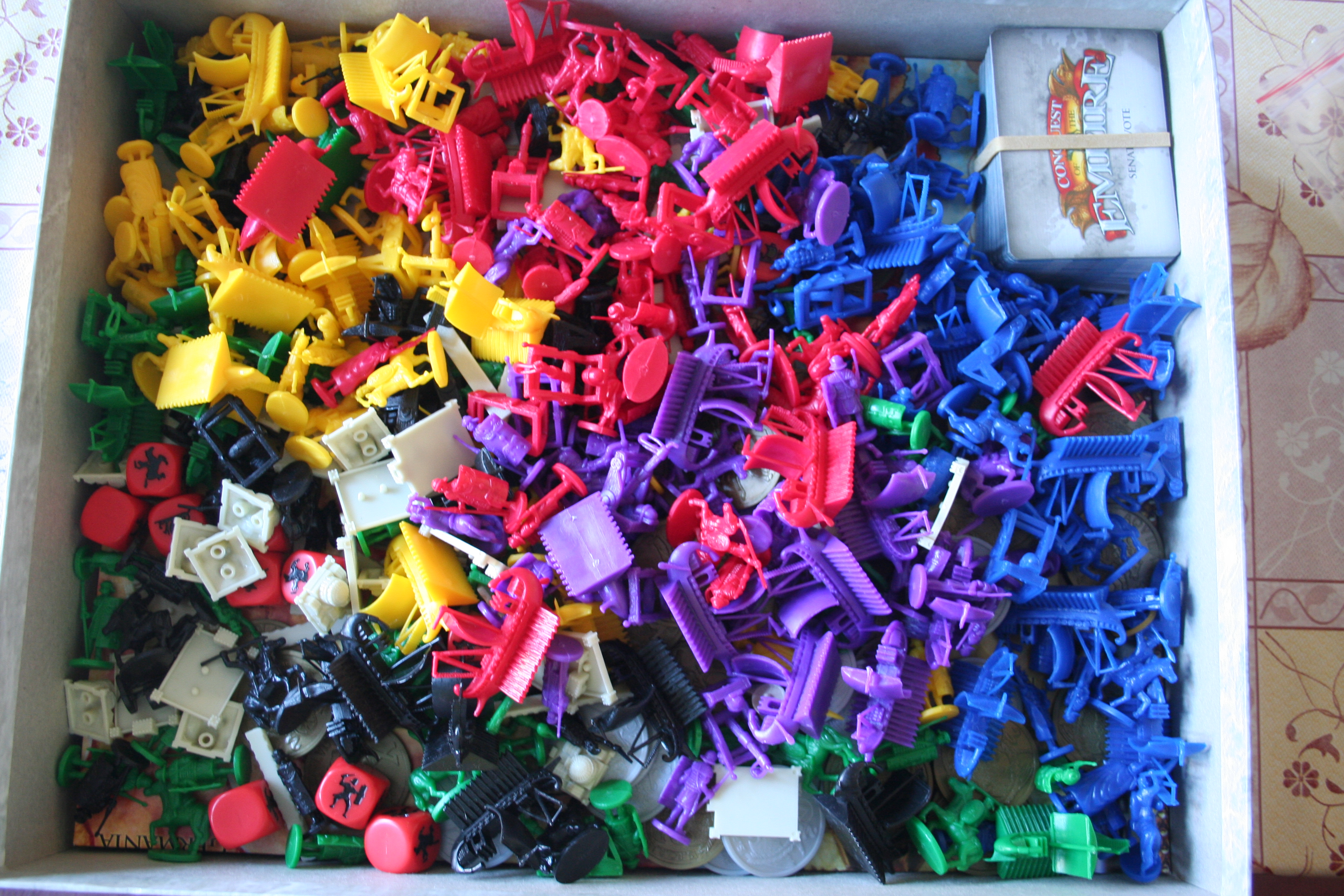

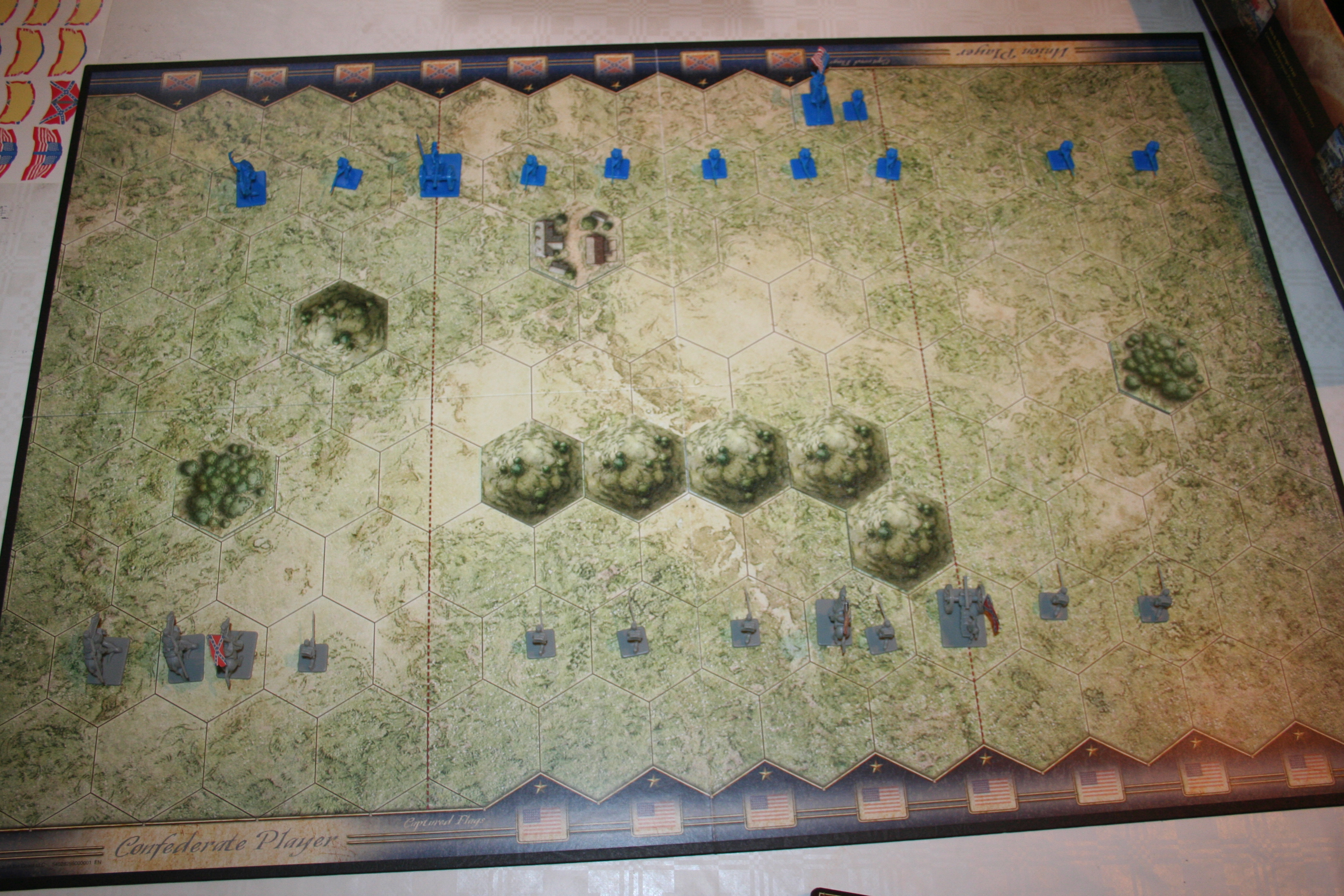
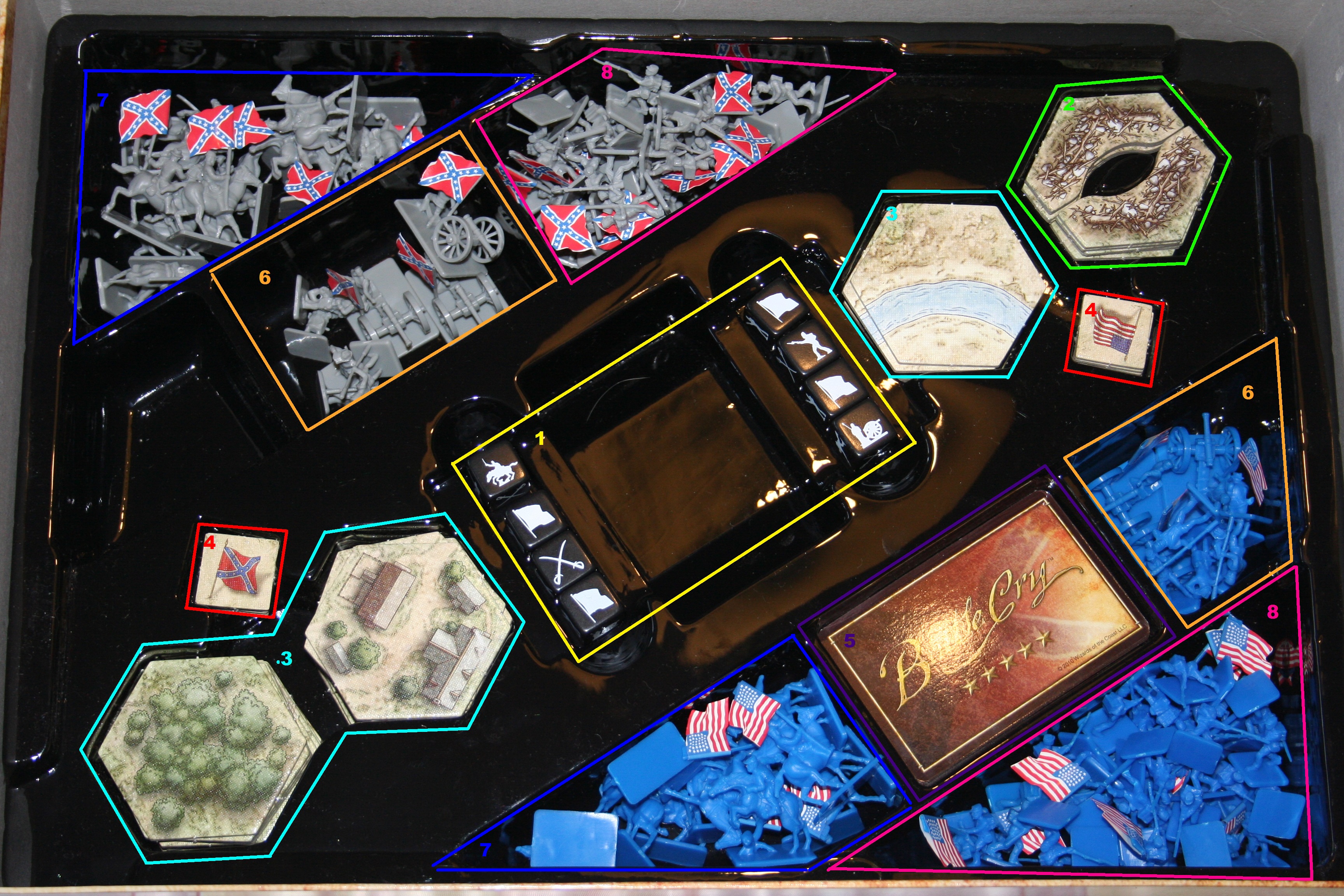

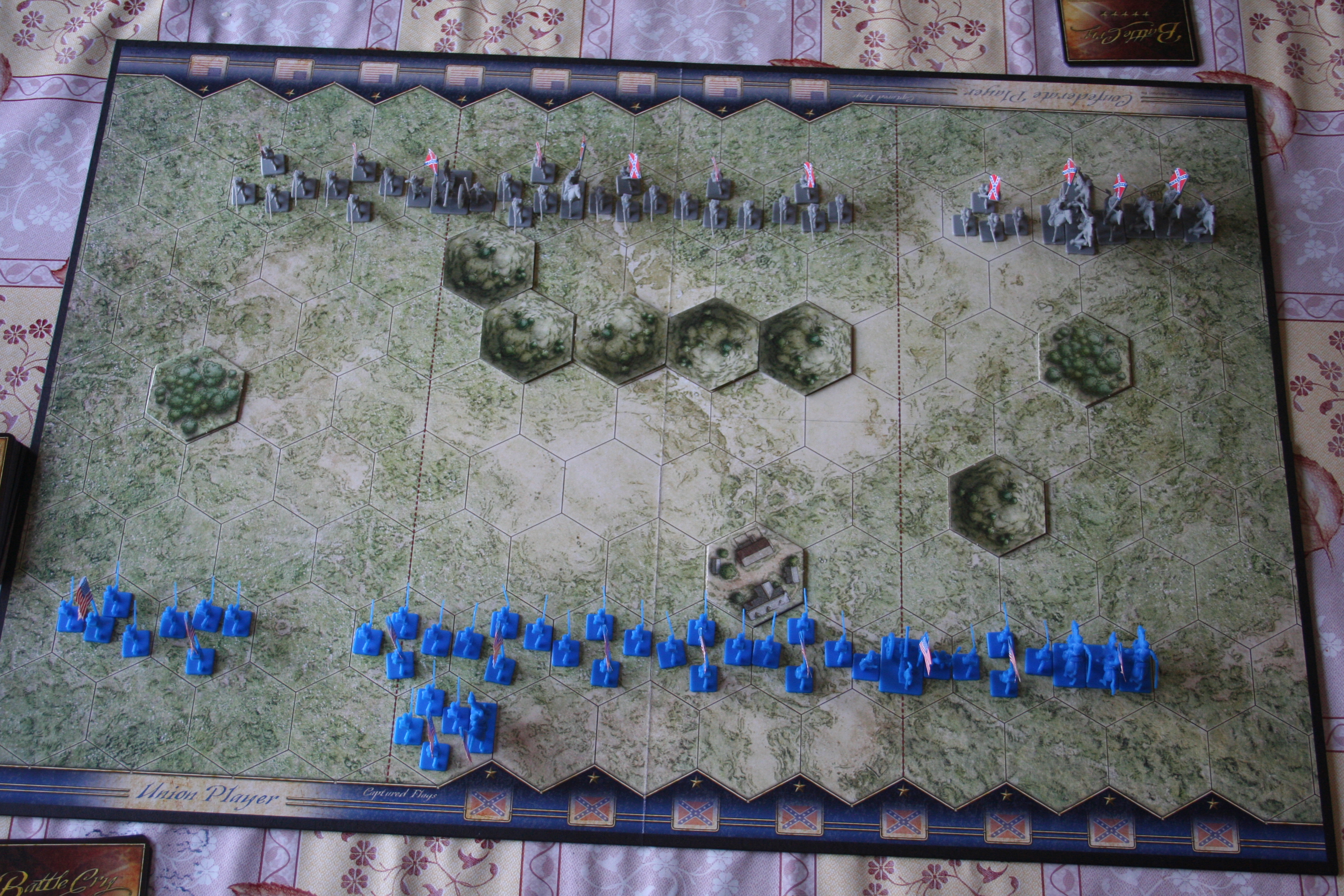

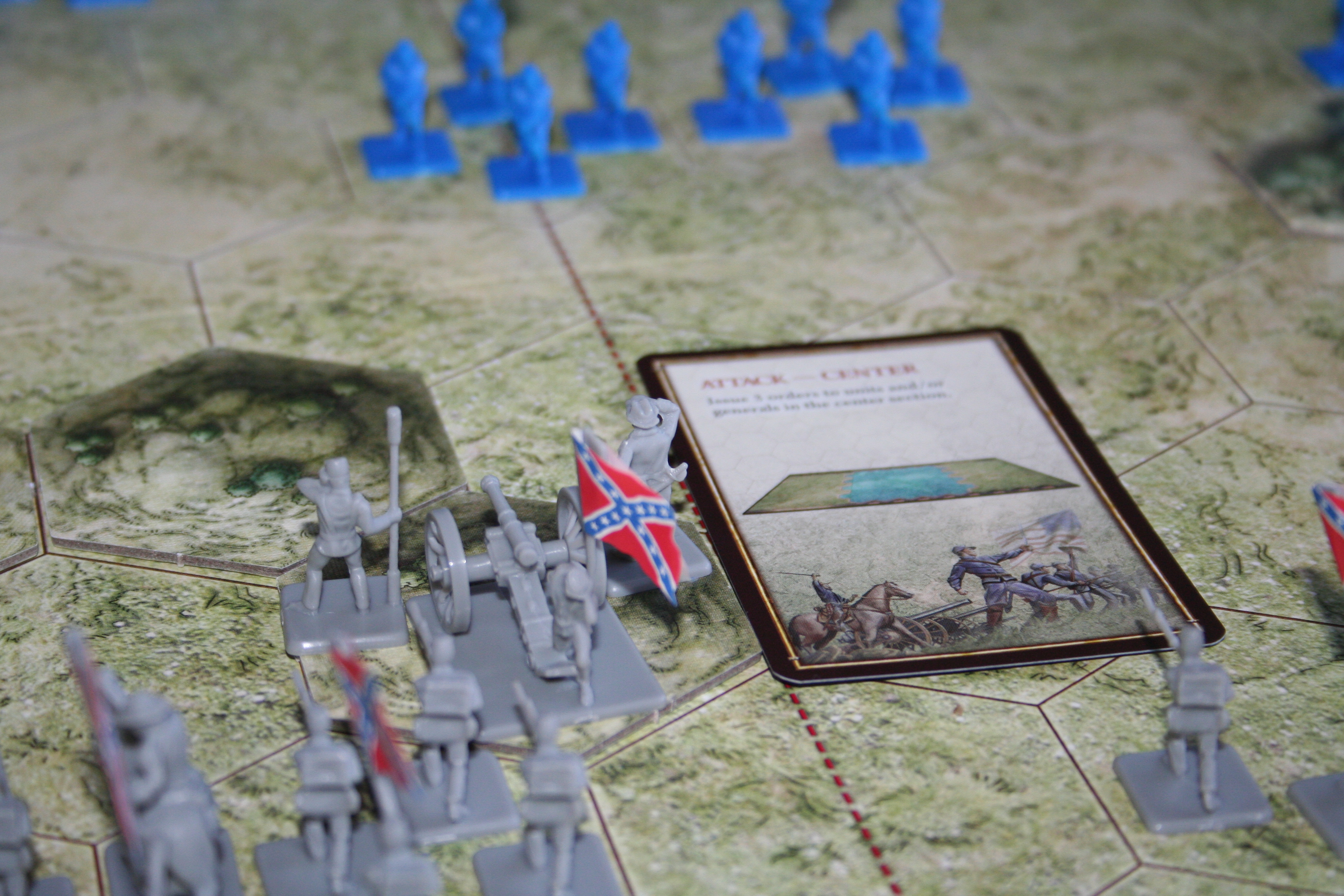


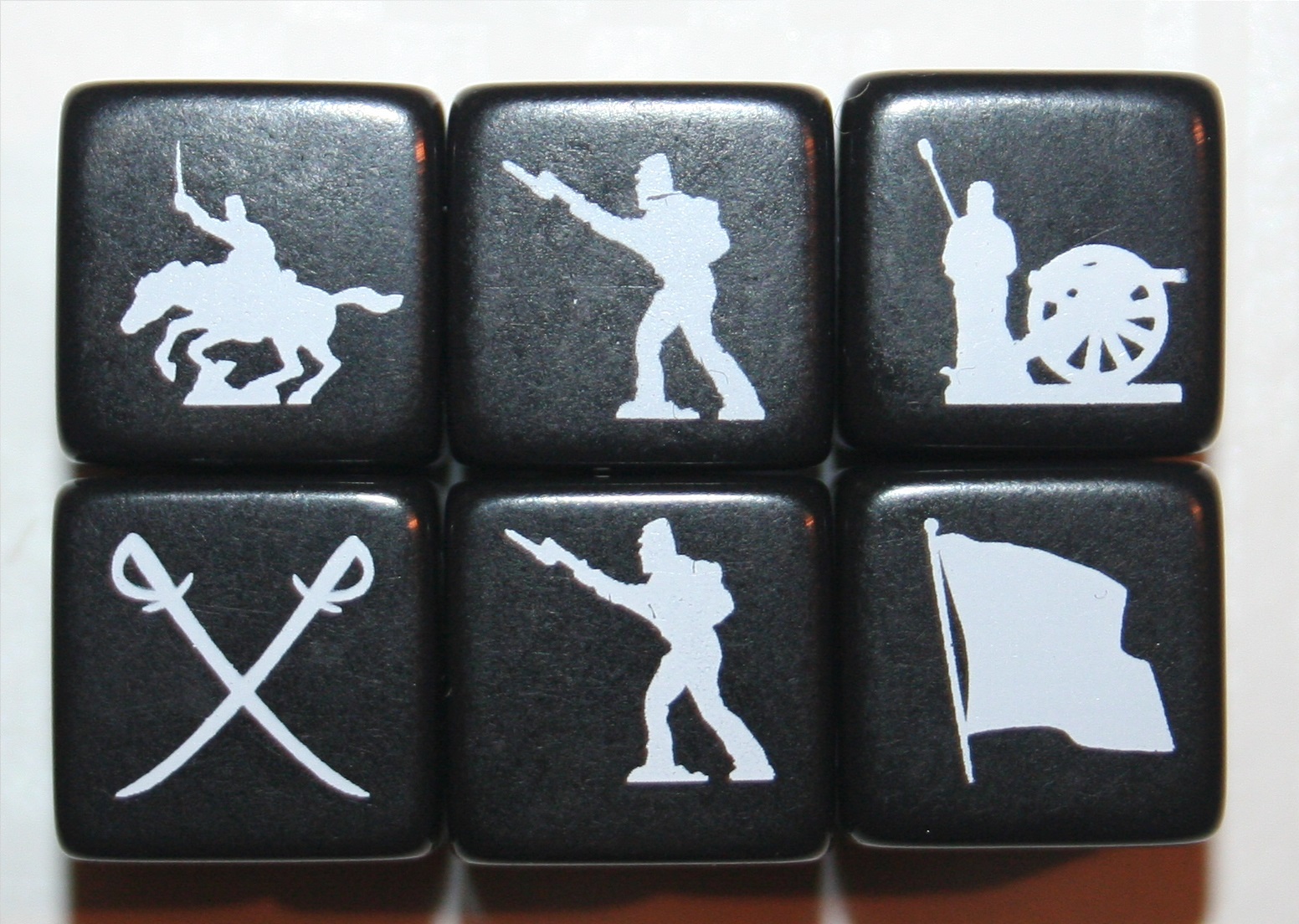
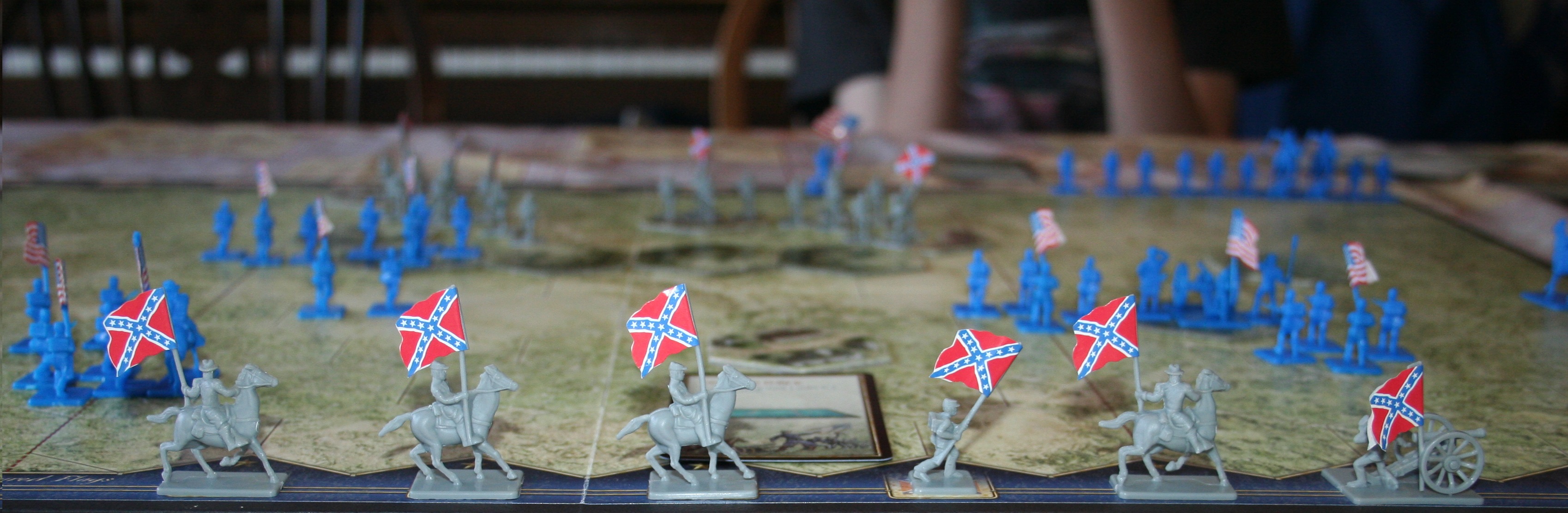


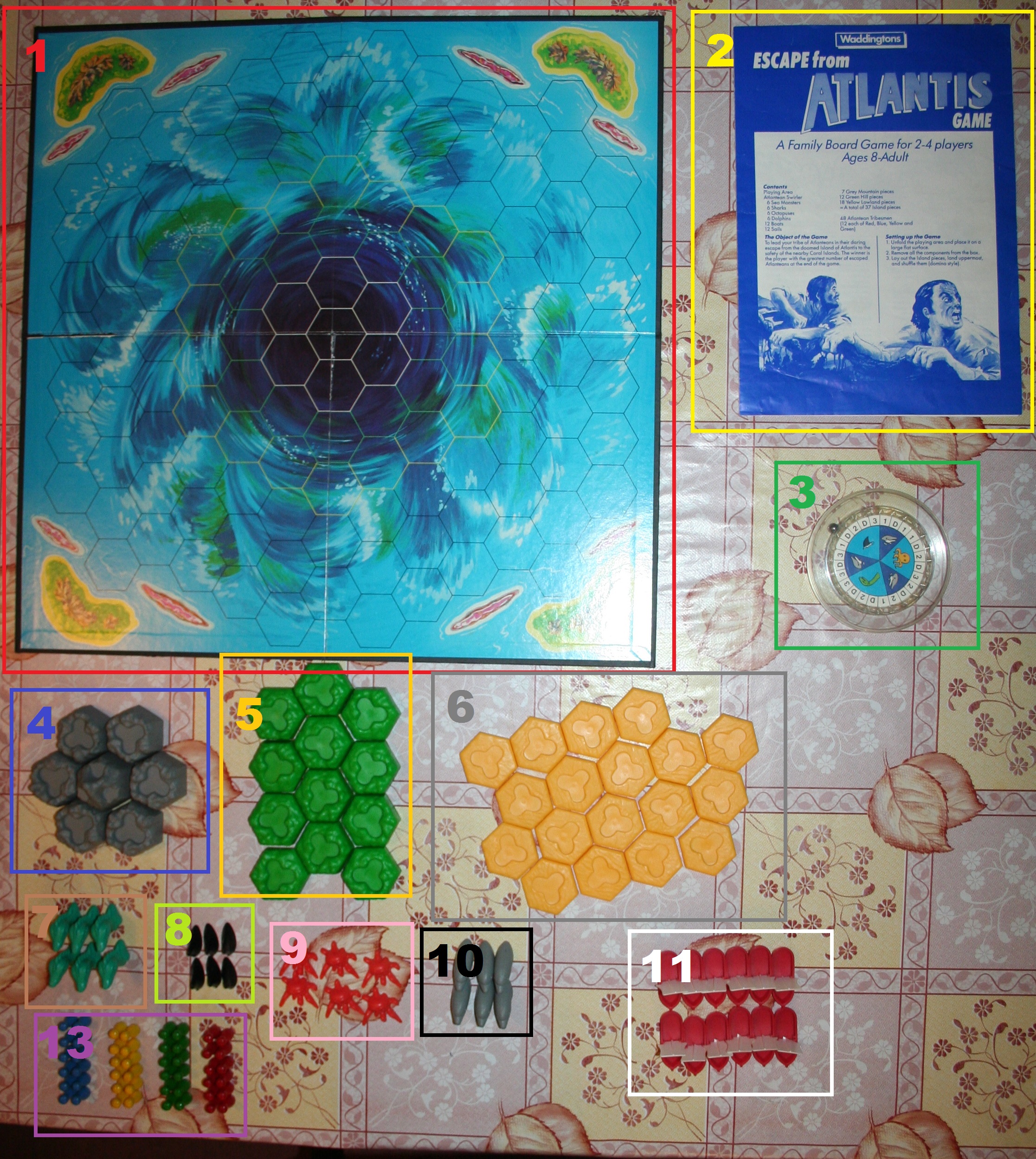

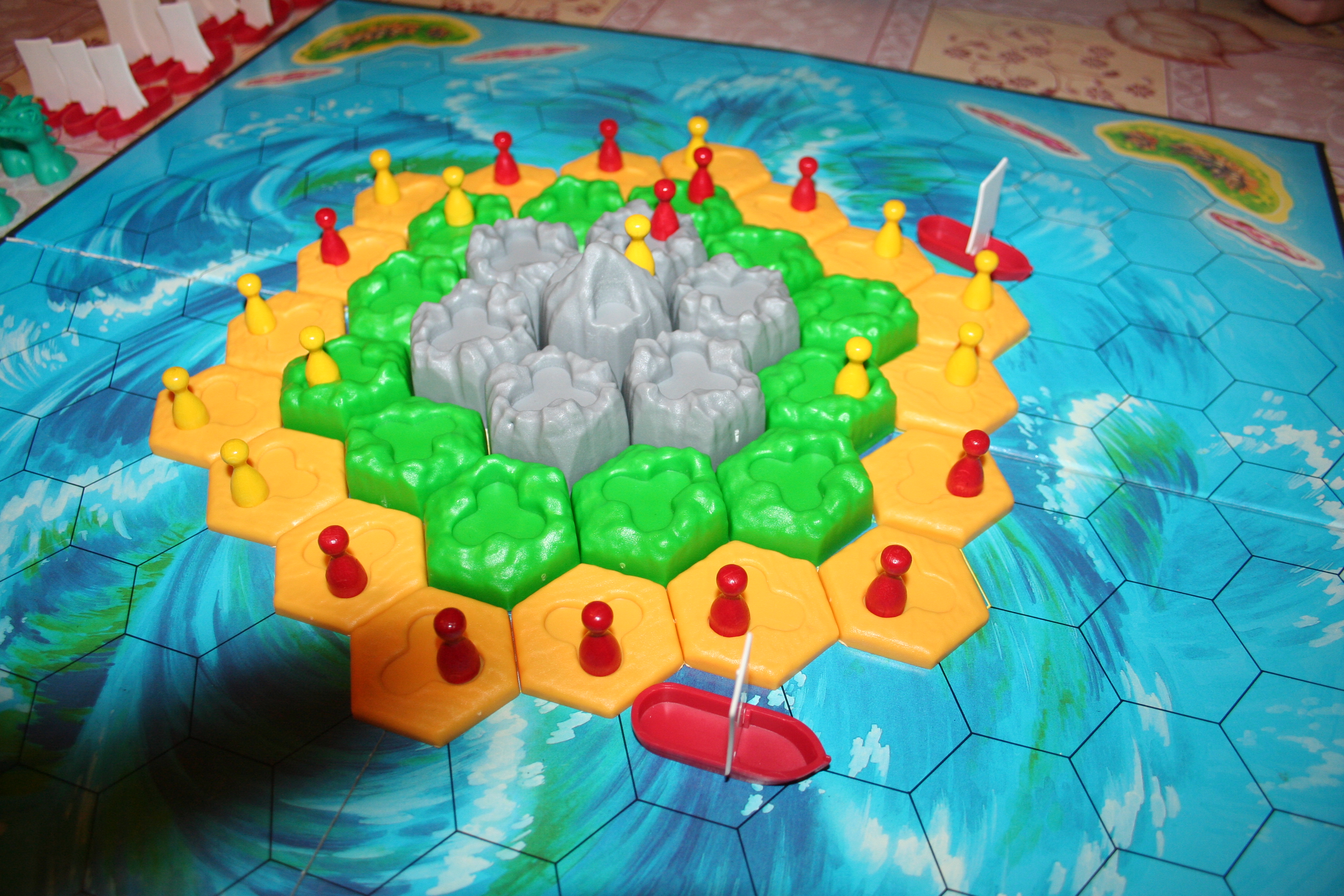
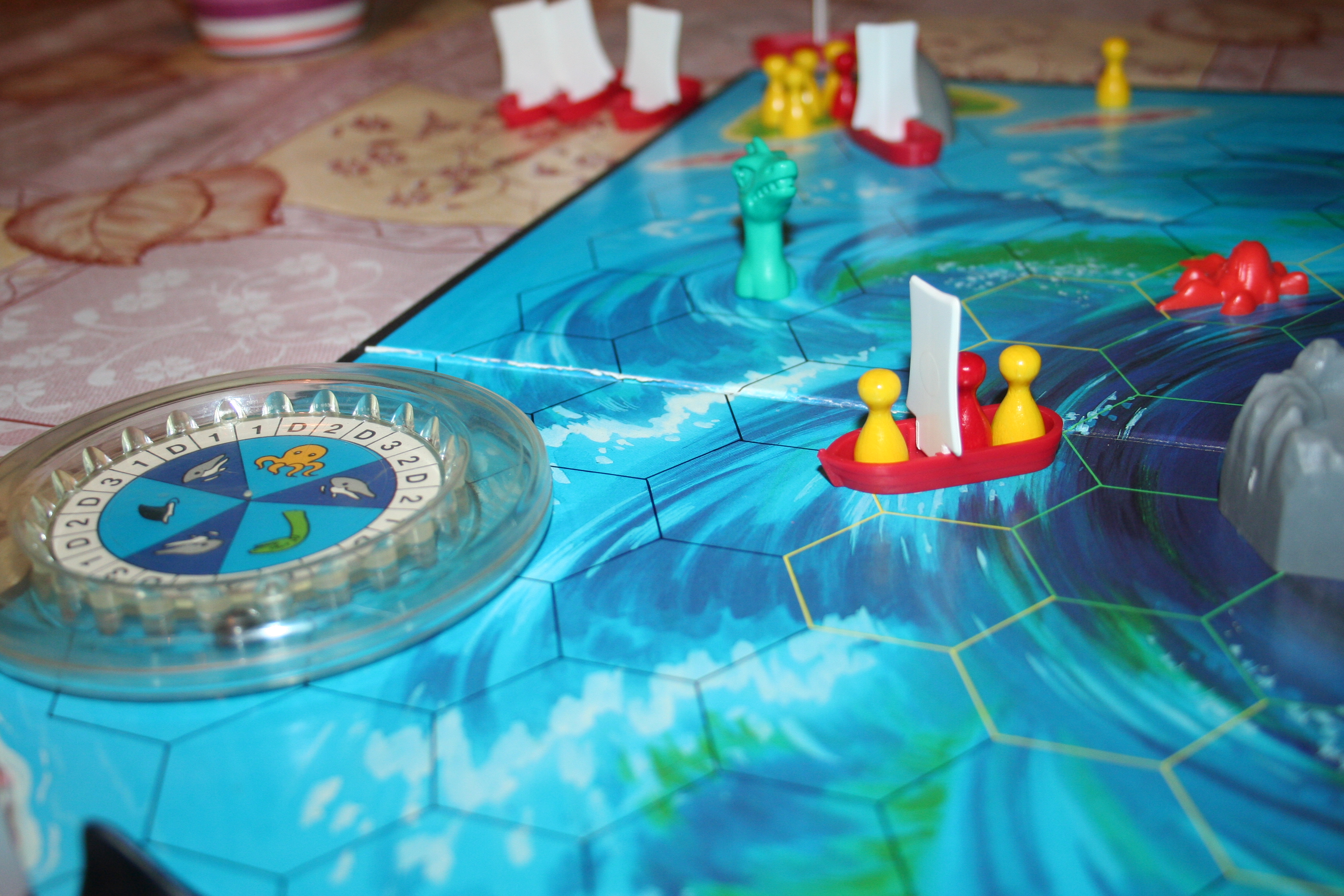
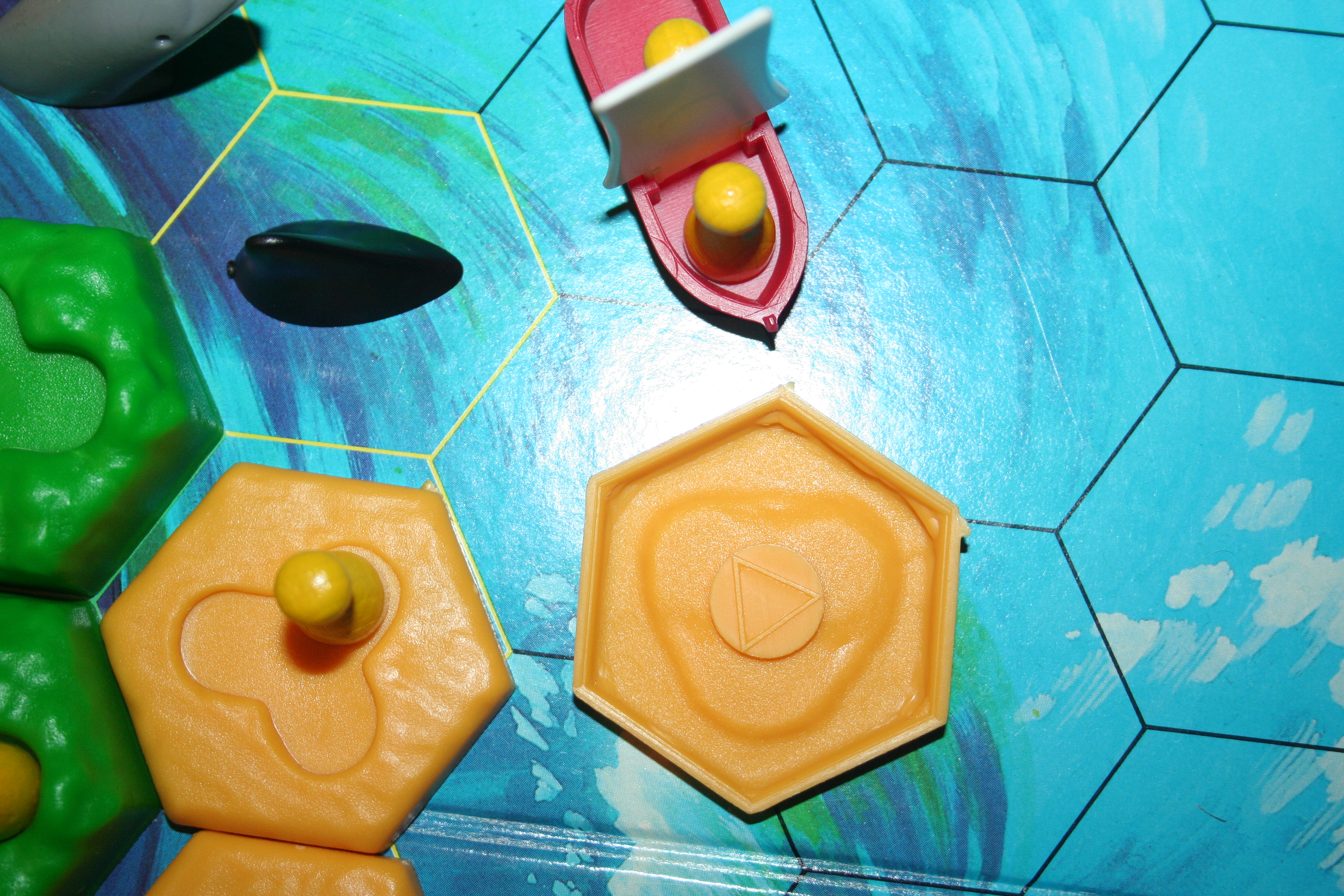
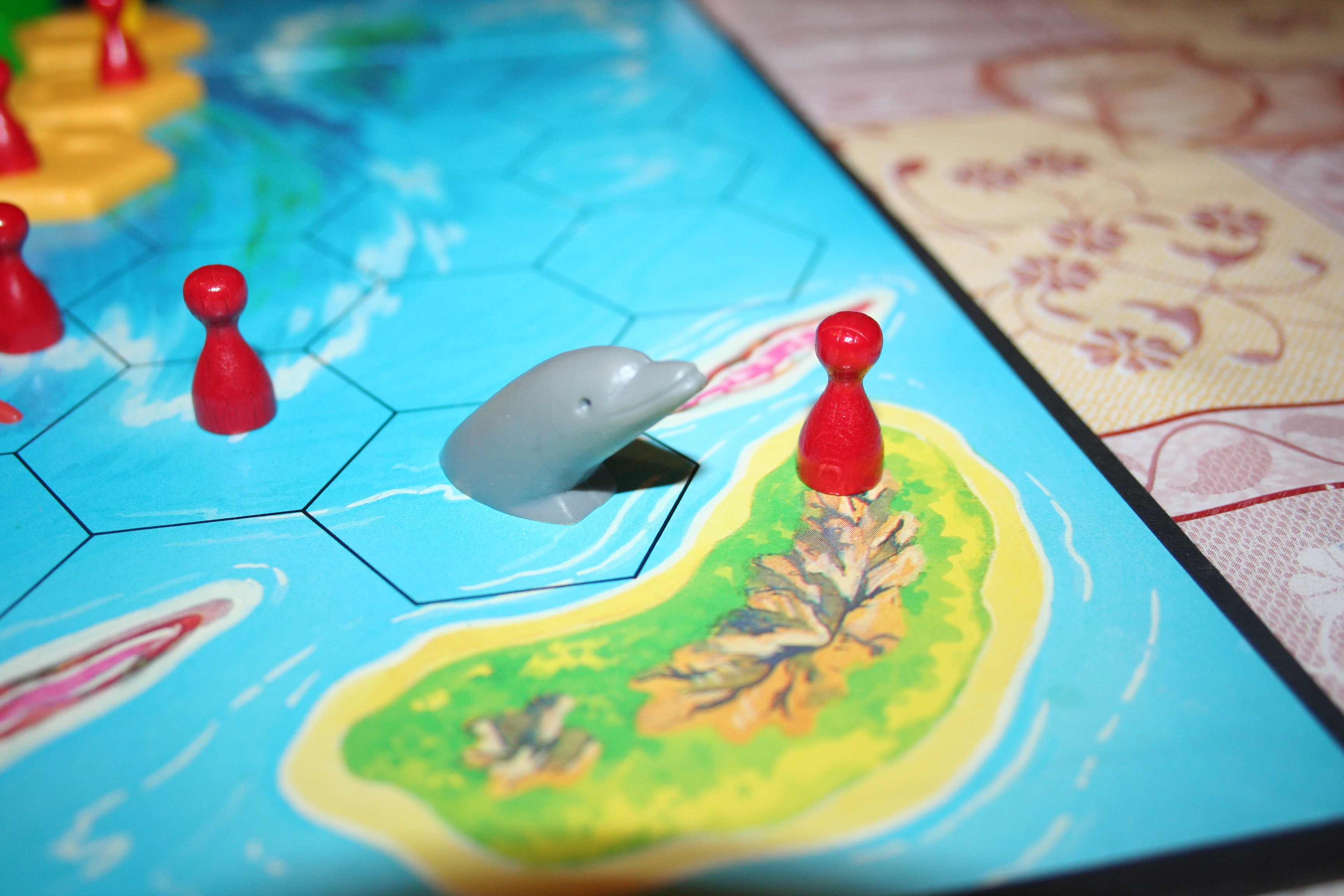
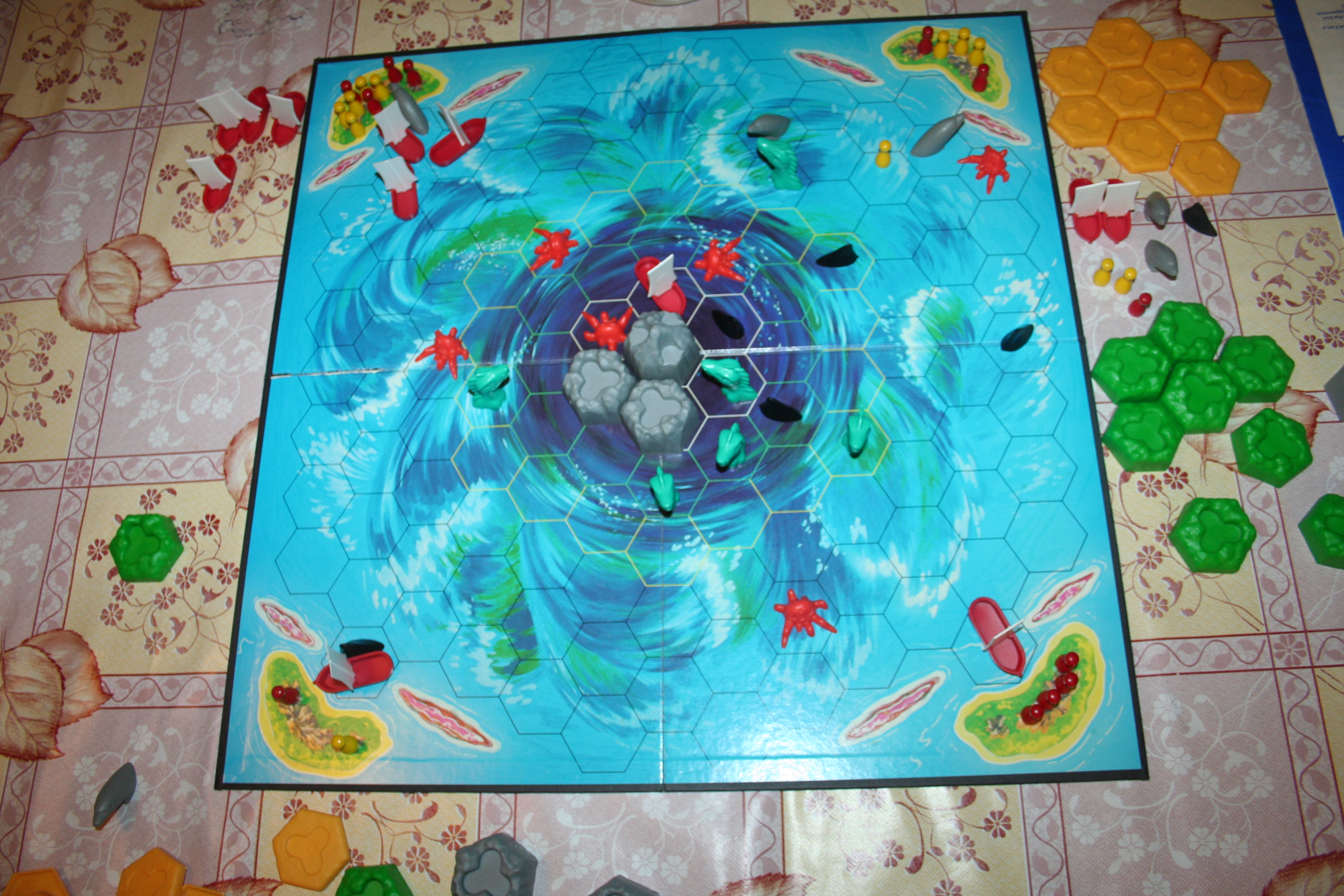
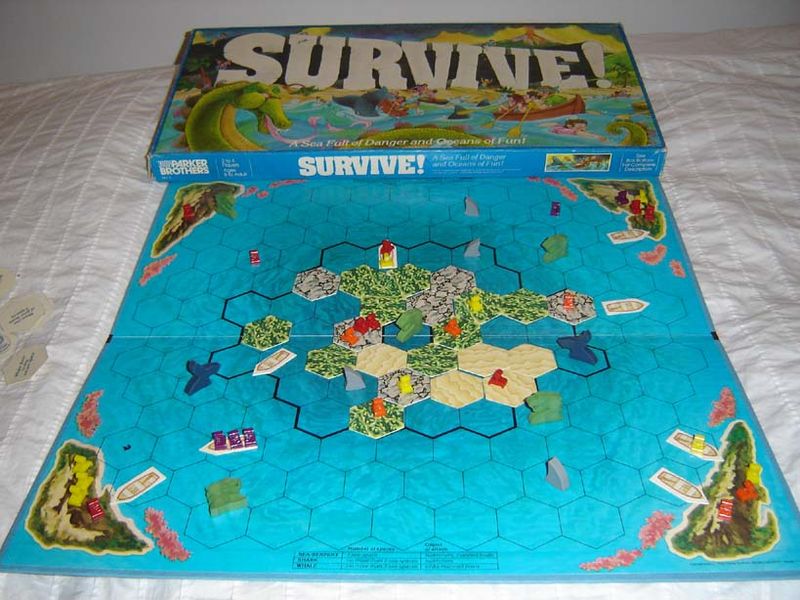
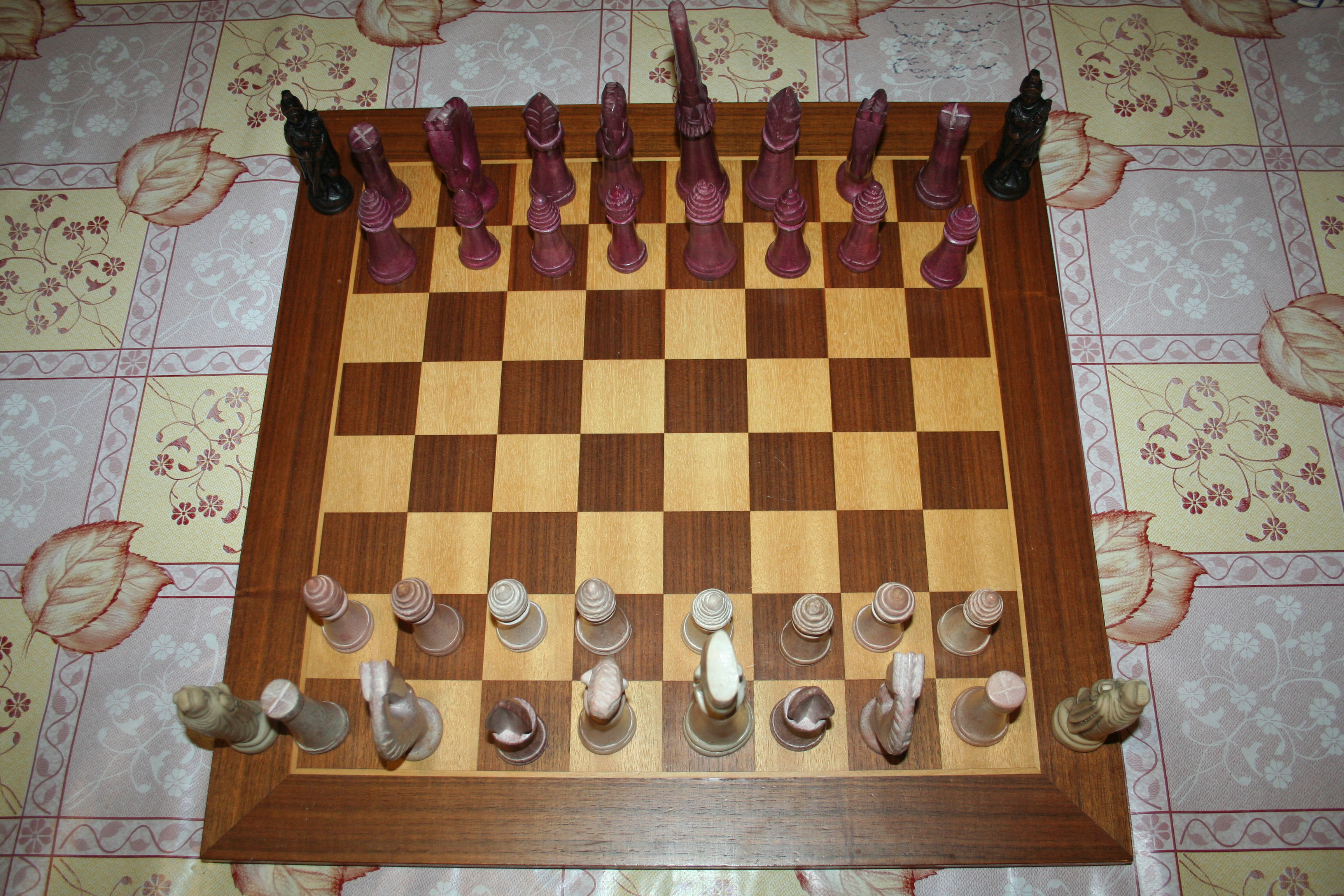
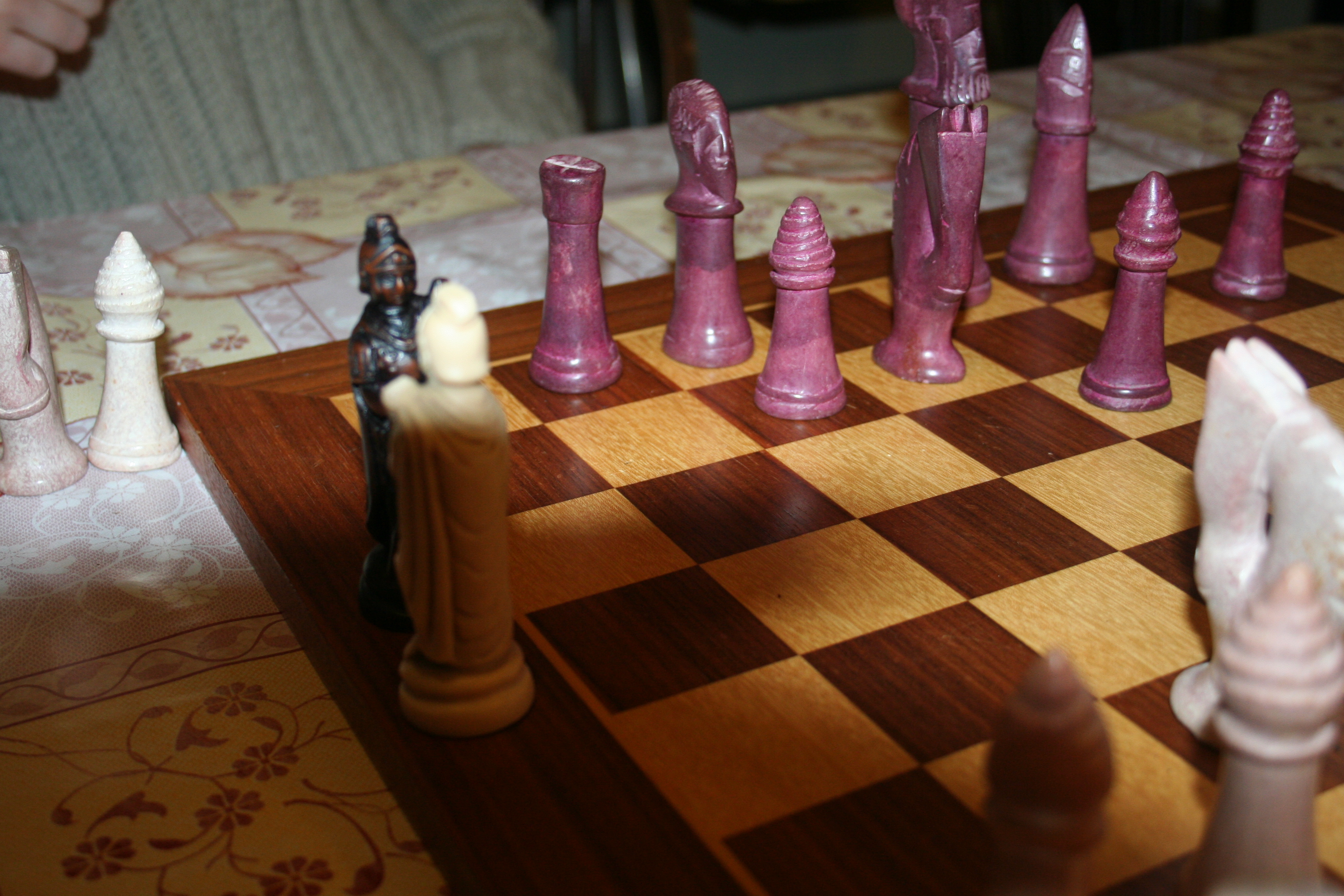
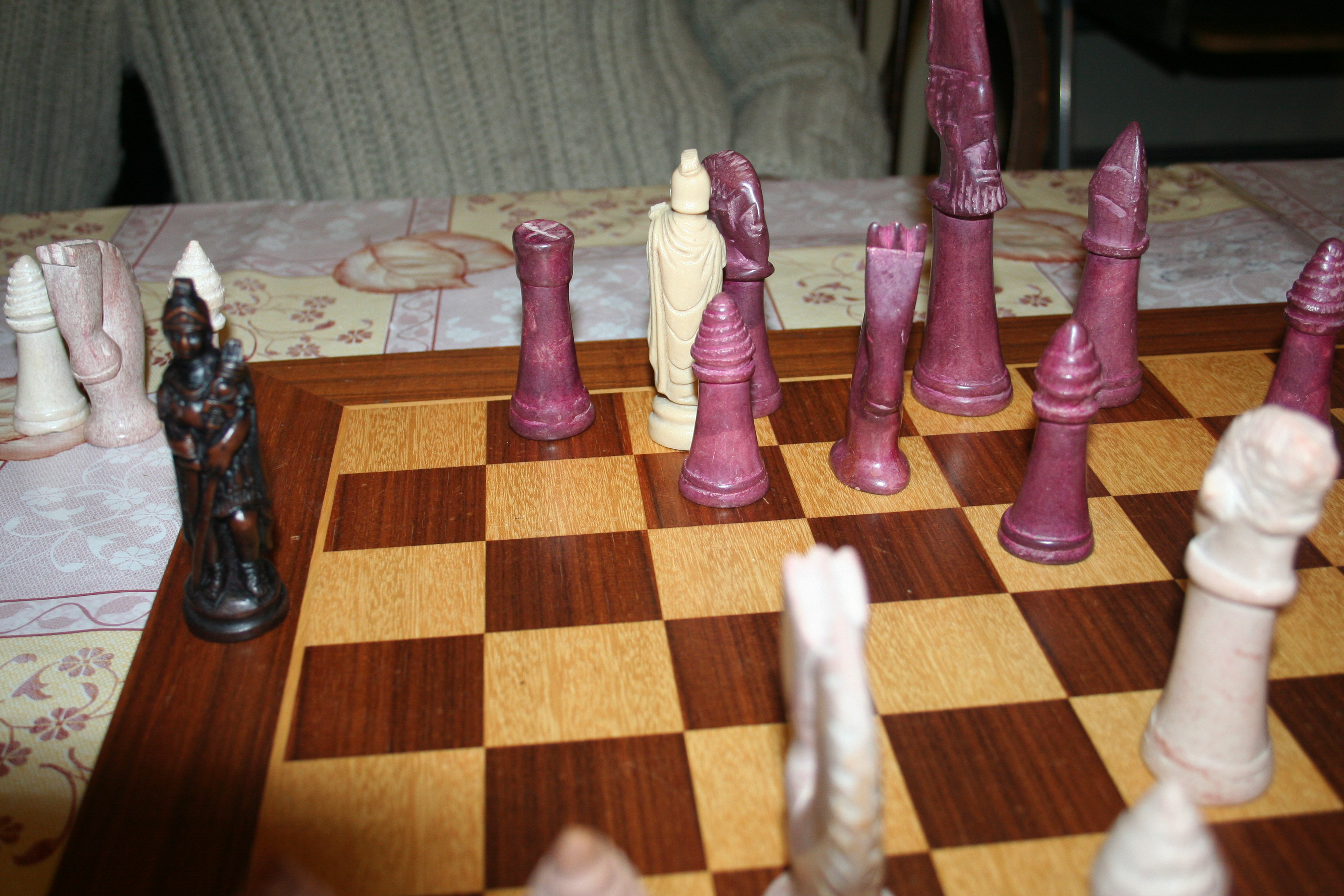
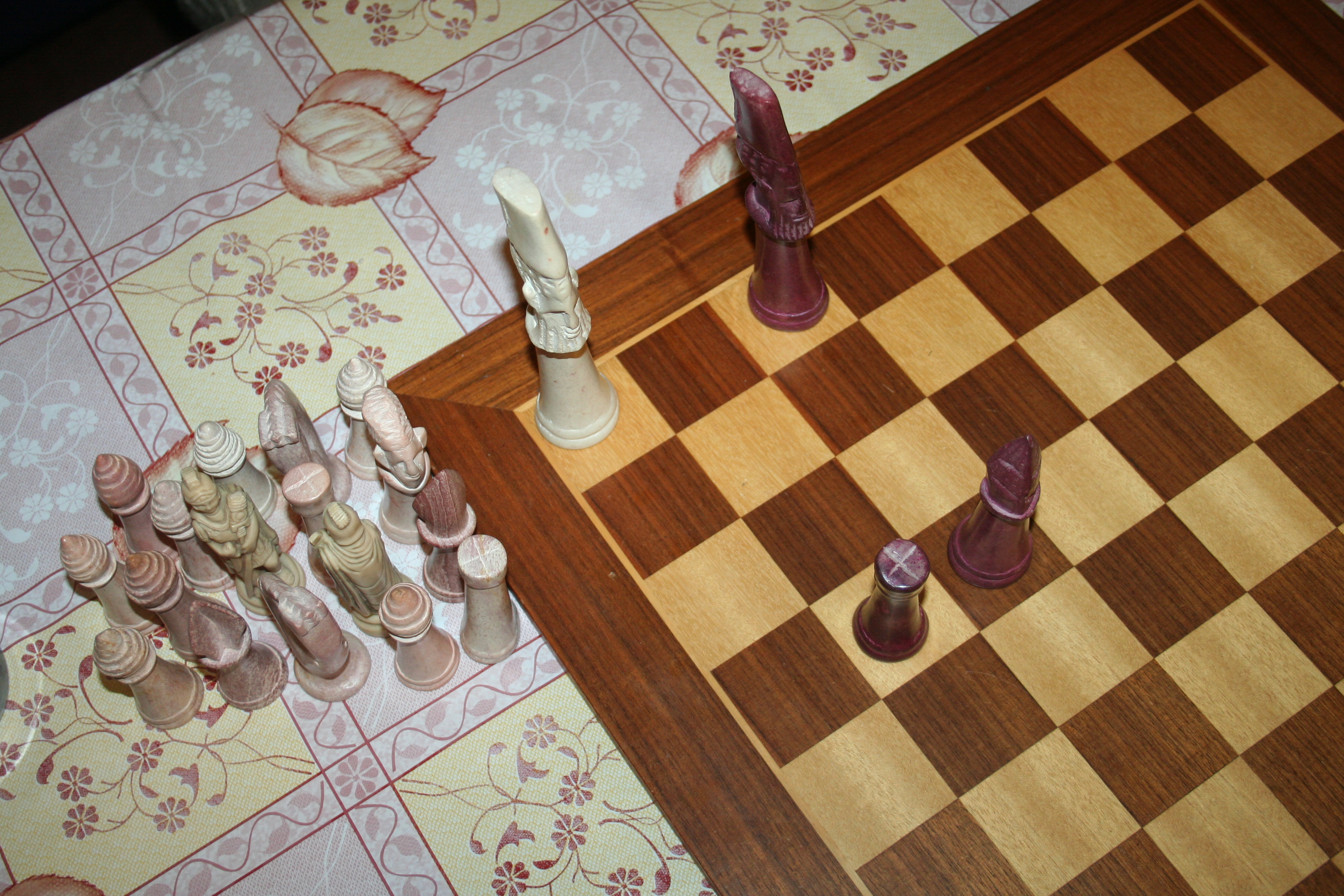

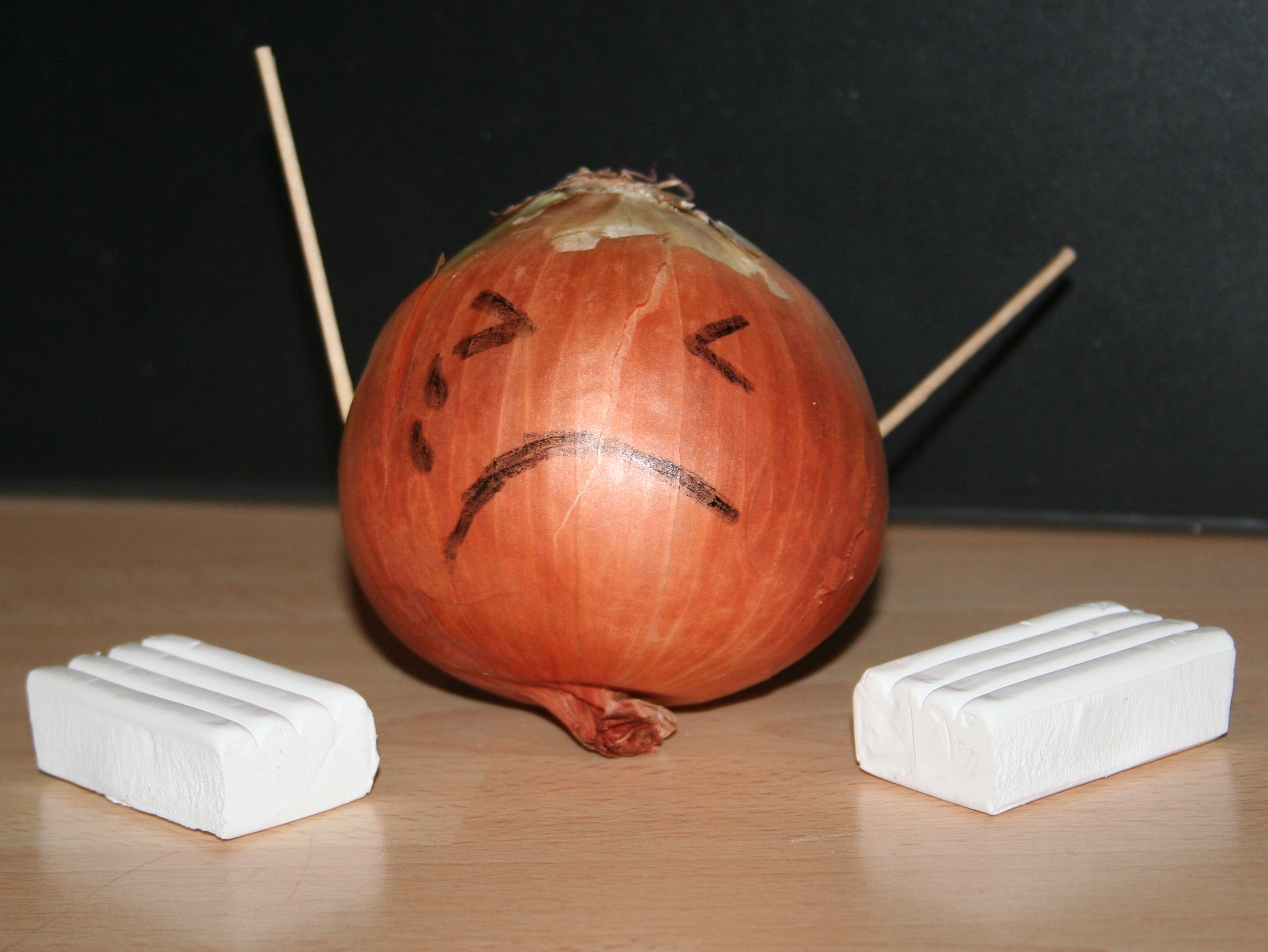
 Tame The Board Game
